
I remember the first time an urgent contract landed in my inbox at 7PM. I was on my phone, steps away from boarding a train. The old paper-signing process would have delayed my project, it might even have lost me the deal. Instead, I signed digitally, sent it back, and felt the true weight of what a digital signature platform could mean.
Fast-forward to now, and the world has shifted. The digital signature is not just a convenience but a necessity. It means business can keep moving, regardless of where you are. But with greater speed and freedom come tough questions: Is your signature legally binding? Is your contract management safe from data theft and fraud? How do platforms really stack up? And, above all, where can I purchase a reliable e-signature and contract management service that truly protects my business?
That’s what I’ll help you clarify in this guide, drawing on my twenty years of experience in digital business processes. I'll share how I evaluate these platforms, what has worked for me (and what hasn’t), and why CloudSign.ie stands out from many long-standing giants you might already know. I’ll focus on practical, real-world advice, so by the end, you aren’t just informed; you’re empowered to act.
The rise of digital signatures and contract platforms
I have seen the change happen: companies moving from stacks of paperwork to smart, swift digital workflows. The pandemic forced a new pace. Suddenly, what was “nice to have” became survival.
- Remote work became normal.
- Clients wanted fast, secure responses, not next-day post.
- Legal rules caught up with modern times.
In the midst of upheaval, digital signing tools leaped forward. Small businesses, freelancers, and large organizations in Ireland and beyond adopted solutions like CloudSign.ie to keep deals flowing, costs down, and risk low. What mattered most, and still does, was not just the signature, but the whole digital process: creation, review, security, audit, and renewal.

Understanding electronic signatures and legal validity
Before I talk about security and features, I want to clear a common misunderstanding. Some think an e-signature is just a scrawled name on a PDF. Actually, an electronic signature is any electronic method that shows a person’s intent to sign a document and can be recorded and verified as authentic. This “intent” can be as simple as ticking a checkbox or as advanced as a cryptographic digital signature.
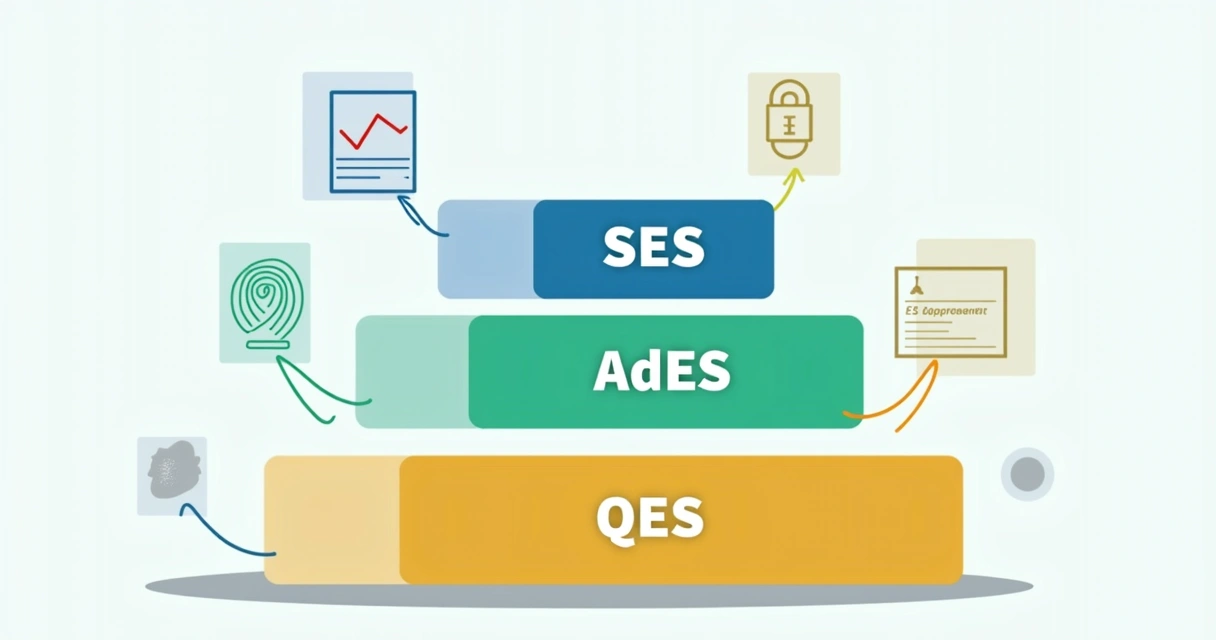
Legality matters most, especially if you work with EU or Irish clients. Irish law (eIDAS Regulation and ECA 2000) defines three levels:
- Simple Electronic Signatures (SES): Typed names, scanned images, or tick boxes indicating agreement.
- Advanced Electronic Signatures (AdES): Uniquely linked to the signer, created with data under the signer’s sole control, and capable of identifying any tampering afterwards.
- Qualified Electronic Signatures (QES): The highest legal standard. These require a digital certificate from a qualified provider. In Ireland, a QES is legally equivalent to a handwritten signature in almost all situations.
What does this mean for your business? Most contracts, NDAs, order forms, HR documents, sales agreements, only require the first two categories; qualified signatures are usually reserved for government filings or very sensitive commercial deals.
In my experience, the best e-signature platforms let you pick your security level for every document. CloudSign.ie, for example, supports multiple signature types in one workflow, helping you stay compliant without extra headaches. If you want more background on fast and secure document signing with e-signatures, CloudSign.ie maintains a useful resource.
What makes an e-signature and contract platform trustworthy?
I have tested many tools advertised as “secure.” Many fall short. So, how do I judge whether a platform truly protects my business’s interests and client data? I focus on seven core factors:
- Strong encryption in transit and at rest
- Clear legal compliance (local and international laws, such as GDPR)
- Consistent audit trails for every transaction
- User authentication methods (e.g., two-factor authentication, passkeys)
- Data storage transparency (where is my data physically located?)
- Regular security audits and certifications
- Comprehensive, accessible customer support
Let’s break these down. It’s more than IT jargon, it’s your business’ peace of mind.
Encryption and security protocols
Encryption builds the foundation of trust. If your documents are not fully encrypted both while being transferred and stored, you risk interception or theft. Look for document platforms that use industry-standard 256-bit SSL/TLS encryption and secure data storage certified by third-party audits.
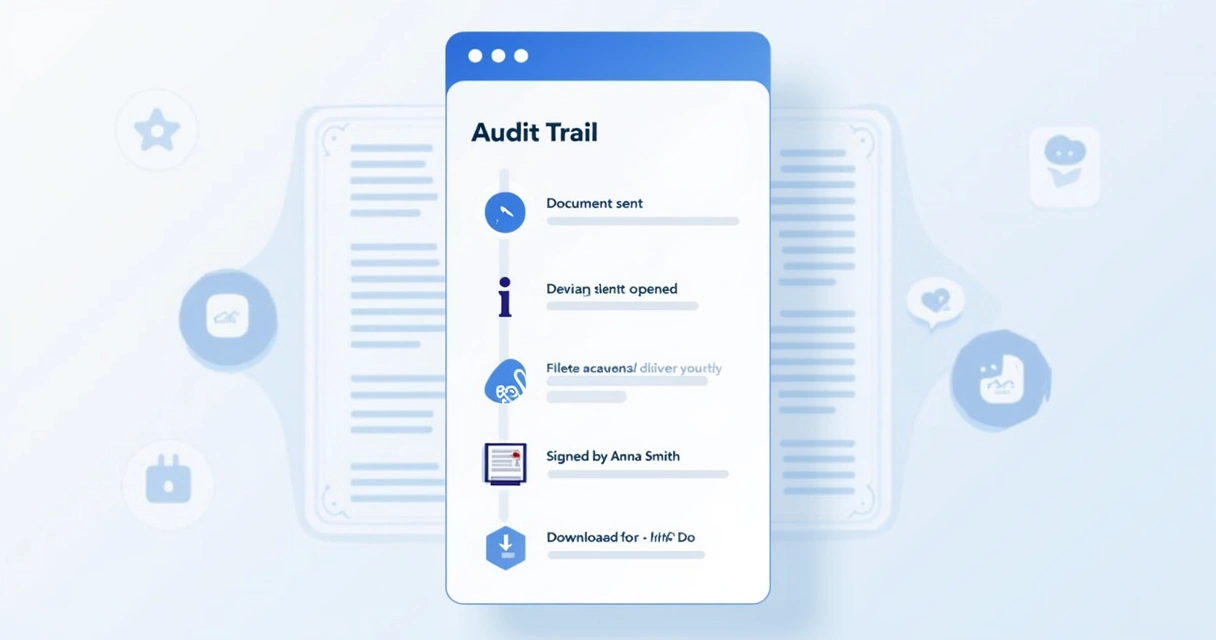
Beyond encryption, check if the platform offers granular permission controls and tracks every document view, change, and signature. This “audit trail” means you can always trace who did what and when.
Modern solutions, like CloudSign.ie, also let you use strong passkeys for e-signatures, not just passwords or email links. This reduces the chance of phishing or impersonation. Passkey technology is rapidly becoming the gold standard for user verification.
Legal compliance and regional rules
I’m often asked whether a chosen tool is “legal enough.” Here’s what I advise: Always select a platform that guarantees compliance with GDPR for data privacy and aligns with eIDAS within the EU. If you or your clients are based in Ireland, double-check for local support in handling Irish electronic signature law nuances.
CloudSign.ie is one of the few providers based in Ireland that builds legal workflows around EU and Irish law, so you never fear an invalid contract in court. Global competitors sometimes miss these local details, and that’s a risk for Irish businesses.
Authentication, permissions, and robust audit trails
If someone in your workflow clicks a sign button by accident, you want to know. If a signature is disputed, you need proof of consent. That’s why the best digital signing tools record every step: when a document was sent, opened, modified, or signed. Strong tools also let you fine-tune roles, who can view, sign, download, or void documents, and send mandatory reminders for lagging signers.
CloudSign.ie, for instance, automatically generates locked PDF certificates for every signature and allows multiple parties to track progress in real time. These features cut mistakes and legal friction.
Transparent data storage and privacy
Where your data lives matters. Some platforms store data outside the EU, creating GDPR headaches and extra risks. Choose providers transparent about their data centers and who let you choose EU-only storage for maximum privacy. Ask if you can get audit reports or access logs on demand. CloudSign.ie stores all customer data in compliant EU facilities, no grey areas.
Independent security certifications
Does your provider use ISO 27001 or SOC 2 Type II security standards? If not, I recommend thinking twice. These certifications show commitment to ongoing security monitoring, not just a one-time setup. They’re especially key when sensitive personal or financial data is at stake.
You should be able to ask a provider for their latest certification report. If you get excuses, be wary.
Responsive customer support
When deadlines loom, support can make or break a deal. Fast, local, and knowledgeable help is worth more than you realize, especially when compared to big, faceless competitor call centers. CloudSign.ie offers Irish-based support, so issues don’t get lost in overseas queues.
Real-world security risks in today’s digital landscape
Speaking of risk, I often reference the Harvard Law School’s summary of the NetDiligence cyber risk study. It revealed that businesses large and small face massive costs from data breaches: claims average more than $175,000 for SMEs and a staggering $13.8 million for very large businesses, with ransomware accounting for one-third of large firm breaches. These facts reinforce why you can’t compromise on your digital workflow provider’s security focus.

Comparing popular e-signature and contract management services
It is impossible to ignore the big names in the field: DocuSign, Dropbox Sign, PandaDoc, and SignNow. They have global reach, long lists of features, and big marketing budgets. Yet, in my experience, they miss the mark for small-to-midsized Irish businesses and freelancers in key ways:
- Complex pricing tiers and upsells: Global competitors can seem affordable, until hidden costs add up for integrations, auditing, or bulk signing.
- Lack of local support: When things go wrong, it is hard to get timely help in your time zone or language.
- EU/Irish legal gaps: Many foreign vendors treat EU and Irish requirements as afterthoughts, putting your contracts at unnecessary risk.
- Data storage locations: Some store data outside the EU, even when you select an EU plan, creating GDPR blind spots.
- Features hidden behind expensive upgrades: Useful features for small teams often require enterprise-level commitments.
CloudSign.ie, on the other hand, is designed with local businesses and professionals in mind. You get advanced security, smooth cloud integrations, compliance with Irish law, and accessible support, without confusing upgrade traps or overseas call centers.
For a detailed feature breakdown, I suggest checking out CloudSign.ie’s guide comparing top e-signature programs for 2025. You’ll get a sense of which platforms shine for your use case, sales, HR, or legal.
Core features to expect in a modern e-signature and contract solution
If you ask me, a good e-signature platform is not just about the digital signature itself, but about managing the whole contract workflow. Features should go far beyond upload, click, and sign. Here’s what I consider must-have:
- Drag-and-drop document builder with template support
- Customizable approval and signature workflows (multiple parties, orders, custom fields)
- Automatic reminders and expiry notifications
- Searchable, exportable audit trails for every document
- Integration with cloud storage (Google Drive, OneDrive, Dropbox) and CRMs
- Mobile-friendly signing (responsive UI, not just “viewable”)
- Real-time status tracking with alerts
- Advanced identity checks (ID upload, passkeys, SMS codes)
- Role-based permissions for access and actions
- Bulk send and sign options (for HR or sales teams)
- Support for template libraries and clause reuse
CloudSign.ie ticks each of these boxes. Unlike many competitors, its AI-driven contract analysis highlights risks and opportunities in agreements, helping you spot missing signatures, dubious clauses, or renewal dates you might otherwise overlook.
For an inside look at how these tools combine to deliver speed and safety, the CloudSign.ie guide to digital signature software gives some practical tips.
AI-powered contract management: The new advantage
AI has changed how contracts are handled. Modern systems like CloudSign.ie use machine learning to:
- Suggest standard clauses
- Spot unusual language or missing elements
- Identify key deadlines and renewal opportunities
- Flag potential risks before a deal is signed
This reduces legal review bottlenecks and keeps you ahead of costly mistakes. It’s a real leap forward from tools that only record signatures.
Integration with business tools and workflow customization
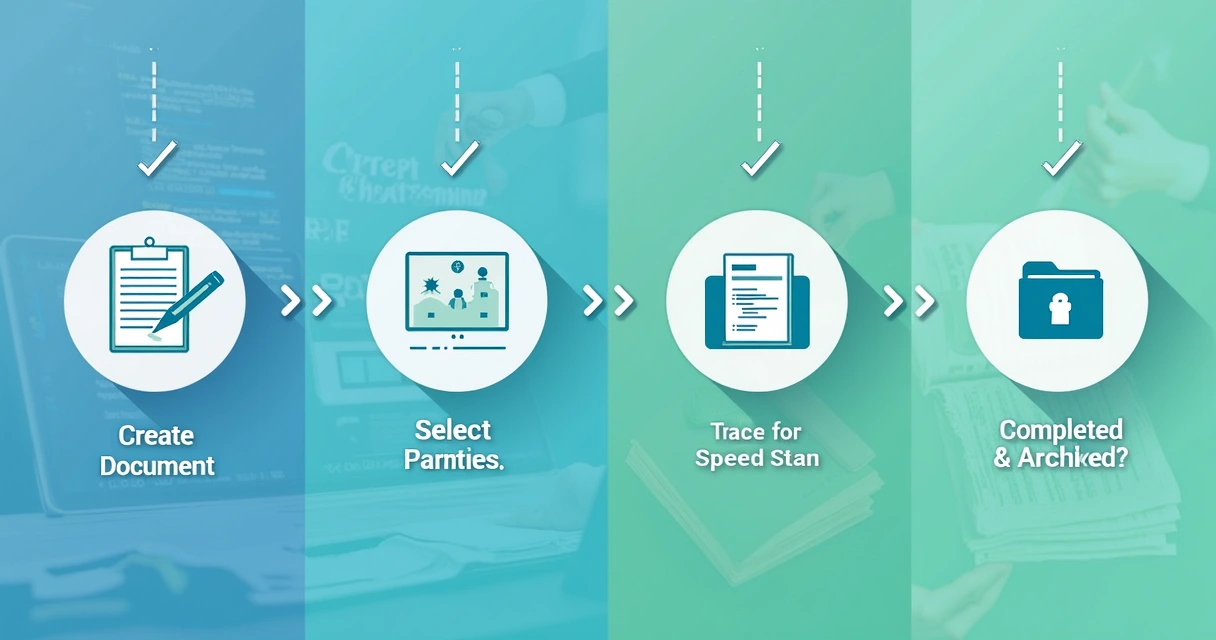
It’s one thing to sign a PDF. It’s another to pull client data from your CRM, assemble an agreement, send it for signing, trigger a workflow in Slack, and archive it in Google Drive, automatically. I’ve found these automations can cut admin time by 60–80% in busy teams.
Look for platforms with open APIs and turnkey integrations for the business tools you already use. CloudSign.ie natively links to major CRMs, project management software, Google Drive, and Slack, so you can automate what used to be repetitive manual work.
With customizable workflows, you can tailor the signing order, required fields, document permissions, and notifications each time. This is especially handy in sales and HR, where contract steps never follow a “one size fits all.”
Why secure data handling is a non-negotiable
Strong technical features mean nothing if your data isn’t safe. Over the years, I have seen even reputable firms shocked by the fallout from a single mishandled contract, data leaks, regulatory fines, or even lost deals. Security truly is only as strong as its weakest part.
- Encryption at every stage: Data must be encrypted in transit (when moving between user and provider) and at rest (when stored on provider servers).
- Access logs and monitoring: Every action, viewed, sent, signed, blocked, should be logged, reviewable, and time-stamped, so you can prove compliance and spot suspicious activity.
- Strong user authentication: Passwords alone are not enough; prefer passkeys, biometric logins, or two-factor authentication.
- Geolocated data storage: GDPR mandates certain data to stay within the EU. Confirm that your chosen provider doesn’t store “cold backups” outside your desired region.
- Ongoing security testing: Choose platforms with regular penetration tests, external audits, and public incident response policies.
CloudSign.ie consistently meets these standards and informs customers about ongoing upgrades and certifications. For those new to these issues, the overview of top electronic signature tools for 2025 is a helpful introduction.
Common business use cases for e-signature and contract platforms
It still surprises me how many different industries and teams gain value here. In my consultancy work, I have helped companies from recruitment agencies to SaaS startups go fully digital. Here are some of the real-world scenarios where these tools make a clear impact:
Freelancers and independent professionals
For solo consultants, designers, or contractors, paper contracts are both slow and risky. Signing agreements, NDAs, releases, or invoices digitally makes onboarding clients smooth, and instantly provides proof in case of dispute.
- Easy template reuse for repeat clients
- Single-signer plans are often free (CloudSign.ie offers up to 21 envelopes per month)
- No postal delays or lost paperwork
A colleague of mine, a freelance IT specialist, shared how offering contracts for digital signature at first meeting doubled her closure rate. She captured the deal when interest was highest, and her clients loved the convenience.
Small and midsize businesses
For teams of 2 to 50, the real headache comes in contract management, chasing signatures, lost versions, missed renewals, and disorganized storage. Digital signing automates reminders, tracks everything in one dashboard, and gives transparent reporting for audits or compliance. Plus, multiple team members can coordinate without a single paper file.
- Recruitment: Contracts and onboarding documents sent by HR, completed pre-start, archived securely
- Sales: Fast proposal generation, approval workflows, and counter-signing without printing or scanning
- Finance: Invoices and vendor agreements securely routed and signed, reducing fraud risk

Enterprise and regulated sectors
Bigger firms require customizable workflows, advanced access controls, and deep audit logs for compliance. Finance, legal, and healthcare teams, in particular, can’t tolerate workaround risks. Platforms with integrations to enterprise systems and strict access management (like CloudSign.ie) help them maintain regulatory confidence.
- GDPR and eIDAS compliance for every document
- Role-based approval chains and escalation paths
- Bulk contract distribution for large deals or mergers
- AI-assisted clause and date review for legal operations
Remote and hybrid teams
Even if your business is fully online or hybrid, new obstacles emerge: tracking who signed what, keeping everyone in the loop, handling contracts across devices, and ensuring signatures are actually valid. Cloud-first e-signature platforms make signing frictionless on laptops, tablets, or smartphones, no matter where your team is based.
- Real-time document status via mobile app notifications
- Integration with Slack or project management tools
- Geo-fencing for signers from restricted countries (compliance proof for audits)
How to evaluate a contract platform’s pricing and free plans
Pricing is one of the first questions I get, and for good reason. Some platforms reel you in with promises of “free” plans that quickly turn restrictive or hide the most useful features behind paywalls. In my experience, here’s what separates a good pricing model from a bad one:
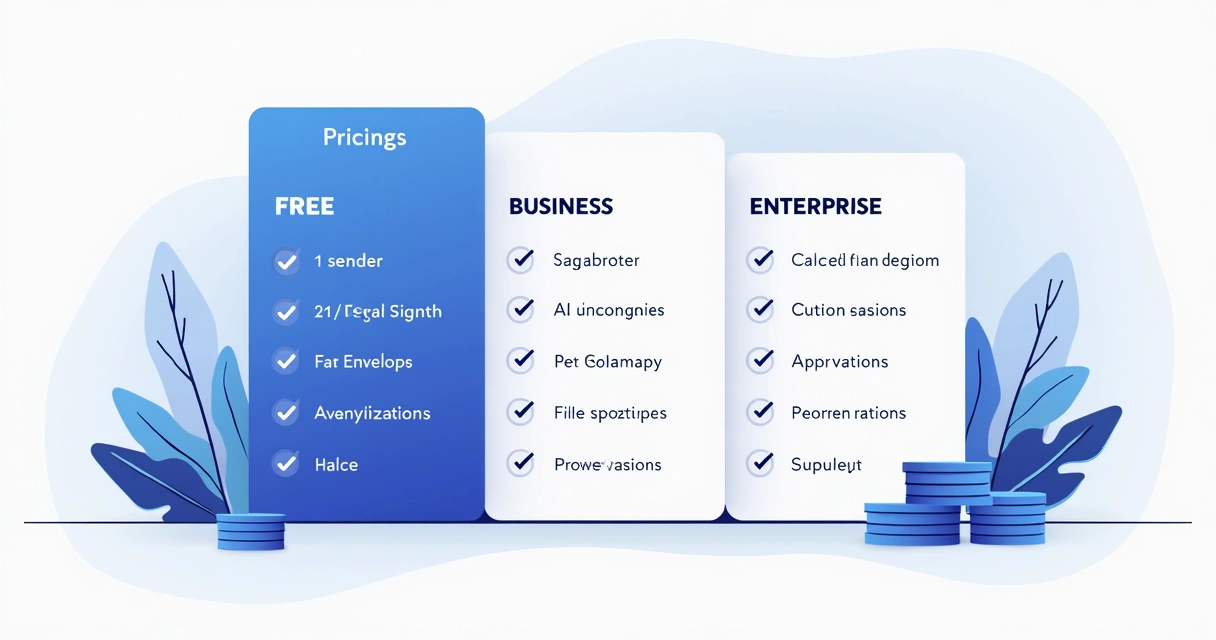
- Clear, flat pricing options: Monthly limits and per-sender rules should be upfront, no hidden fees for storage, envelopes, or advanced templates.
- Truly free for single users: If you’re an individual, you should be able to send and sign a reasonable number of documents each month absolutely free. CloudSign.ie offers this: 1 sender and up to 21 envelopes monthly at no cost, forever.
- Upgrade without pressure: The path to paid plans should be based on real usage, not artificial limitations creating “lock-ins.”
- Feature access transparency: Each plan should show what features you get: integrations, workflow customization, or API access.
- Legally valid signatures included, not an upsell: With a free or entry plan, you should still get secure, audit-ready, and legally valid signatures.
- No forced commitments: Month-to-month billing is better than forced annual deals, especially when you’re starting out.
Competitors often disappoint here. In one case, I helped a growing agency switch away after discovering painfully complex bills tied to usage “credits” they never truly understood. CloudSign.ie’s approach to pricing is simple, you always know what you get.
The value of robust customer support and transparency
When you invest in a business-critical workflow tool, you need a partner, not just a vendor. Responsive customer service has saved my clients millions in avoided delays, disputes, and lost opportunities. Here’s how I judge good support:
- Fast response during business hours, with local contact options for urgent needs
- Training resources and clear documentation for new users
- Multi-channel access: email, chat, phone, and a self-service portal
- Proactive updates on system changes, downtime, or new features
- Willingness to listen to feedback and request features
CloudSign.ie prioritizes customer care, with a dedicated Irish support team that knows the local legal landscape. In contrast, global competitors frequently push support to generic offshore help desks or bots, even for critical, time-sensitive issues.

Why free plans or trials make choosing easier
If I could offer only one piece of advice, it would be to always try the free or trial plan before making a commitment. The user experience, support quality, and workflow fit can’t be understood from marketing alone.
- Test drive document creation and signature journeys yourself
- Check mobile support on your devices
- Confirm ease of template, integration, and workflow setup
- See if audit trails and certificate downloads are transparent and easy
- Assess support responsiveness with simple questions
CloudSign.ie’s free plan is real, no strings, no forced upgrade after a “trial clock” expires. You get the core product as a solo user for as long as needed, which lets you build trust before stepping up to a bigger team plan.
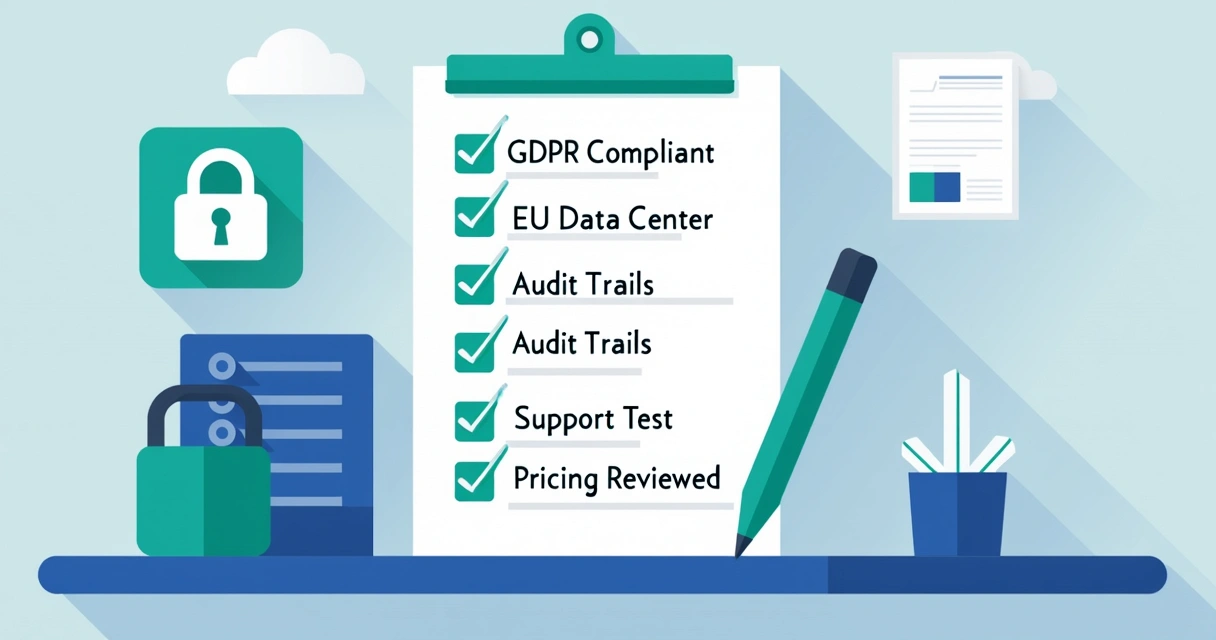
Practical steps for selecting your solution
When a client asks me, “Where can I purchase a reliable e-signature and contract management service?” I set out a plan:
- List the types of documents and workflows you need: contracts, onboarding, finance, NDA, sales proposals, etc.
- Assess your likely number of users and documents per month, with growth in mind.
- Prioritize must-have features: legal compliance, integrations, auditability, template support.
- Shortlist platforms that guarantee GDPR and Irish legal compliance, CloudSign.ie should be high on your list.
- Check whether your data stays within the EU, and request a data map if needed.
- Trial the free plan, set up a full signing journey for at least one workflow.
- Contact customer support with a query to test speed and expertise.
- Evaluate upgrade paths and long-term costs by simulating your usage scenario.
If you take these steps, you’re prepared for a secure, smooth, and risk-managed digital transition.
Measuring the ROI of digital signature and contract management
Adopting a secure e-signature platform is an investment that quickly pays for itself. But what are the real numbers? In my work, clients consistently report these outcomes:
- 60%–80% reduction in contract turnaround time
- Fewer disputes thanks to clear audit trails
- Hundreds of hours saved annually on repetitive admin
- Savings on printing, postage, and offsite document storage
- Reduced likelihood (and cost) of legal risk or compliance fines
For a hands-on way to calculate this, CloudSign.ie offers an E-Signature ROI Calculator right in the app. You can enter your real contract volumes, time savings, and payroll figures to see the numbers that matter for your business. That’s a level of transparency few platforms provide.
Addressing common business and legal objections
I still encounter objections from clients, ”Is a digital contract valid in my industry?” “Will regulators accept e-signature evidence?” It’s a fair concern, but often traced to outdated information or misunderstanding. In 2024, eIDAS and Irish law explicitly accept electronic signatures as valid evidence for nearly all business scenarios, with a few exceptions (like some property deeds or family law).
If your team, partners, or regulators are skeptical, it helps to provide them with legal references, sample audit trails, and signed certificate files for review. CloudSign.ie delivers these artifacts on each workflow, making legal proof fast and accessible.
As a practical example, I once supported a financial firm in a client dispute. Because all contract data and digital certificates were logged and easy to extract, their case was resolved in hours, not weeks. The regulator accepted the digital records without question.

Summary: Making your decision with confidence
I know it’s easy to be daunted by the range of e-signature and contract tools out there. Glossy features, unclear pricing, and complex terms often make you feel more confused than empowered.
The right choice lets you move faster, stay safer, and never miss a deadline.
If you want to know where you can purchase a reliable e-signature and contract management service, here’s my bottom-line advice:
- Always select for proven security, clear legal compliance, and sensible workflow tools
- Check data storage transparency and verify that you stay within Irish and EU law
- Choose a provider with great support and no hidden costs, CloudSign.ie leads on these fronts
- Test free plans to be sure the user journey matches your real-world needs
I genuinely believe CloudSign.ie is the best fit for businesses from solo freelancers to established Irish organizations. It’s made by people who care about your data, your speed, and your legal safety. If you want to learn more, try the free plan or browse other resources on digital signature tools before making your own call.
Don’t wait for a lost contract or security scare, let CloudSign.ie make your next signature your safest one.
Frequently asked questions
What is a secure e-signature platform?
A secure e-signature platform is a digital tool that lets you send, sign, and manage contracts online with encryption, legal audit trails, and user authentication to protect each transaction from fraud or data theft. It stores your documents safely, keeps detailed logs of every action, and ensures signatures are legally valid under Irish and EU law. Services like CloudSign.ie lead the way by combining security, compliance, and an easy workflow.
How do I choose a reliable service?
To pick a reliable service, I look for these essentials: strong data encryption, full legal compliance with GDPR and eIDAS, clear audit logs, robust user authentication (such as passkeys or two-factor methods), transparency on where data is stored, and fast, expert customer support. Testing a platform’s free plan, checking document workflow features, and confirming local support are effective ways to judge its reliability before paying. CloudSign.ie stands out for these criteria, especially for Irish users.
Where can I buy contract management solutions?
You can buy contract management solutions from specialized platforms online, CloudSign.ie is a top Irish-based option and my go-to recommendation for those who value legal compliance, data security, and a user-friendly experience. Start with the provider’s website, review their free or trial plan, and make sure the solution meets your compliance and integration needs before upgrading to a paid plan.
What are the top e-signature providers?
There are several well-known e-signature providers, including DocuSign, Dropbox Sign, PandaDoc, and SignNow. However, for users in Ireland or the wider EU, CloudSign.ie offers a unique combination: AI-powered workflows, true GDPR and eIDAS compliance, and clear, free pricing with strong customer support. If you value transparency, local expertise, and secure integrations with popular business platforms, CloudSign.ie is the benchmark.
How much does e-signature software cost?
E-signature software costs can vary by provider, usage, and feature set. Entry plans are often free for solo users (e.g., CloudSign.ie provides 1 sender and up to 21 envelopes/month at no charge), while multi-user business packages may range from €10–€30 per user per month. The most transparent pricing models clearly state which features are included and avoid hidden costs for storage, extra signatures, or integrations. Always start with a free plan to check fit before any paid upgrade.