
For the last two decades, I've seen technology sweep through businesses, reshaping the way they work with documents. Thinking back, even five years ago, e-signature software felt pretty straightforward: upload, sign, and send. Those days are long gone. Now, with artificial intelligence and new regulations, I know picking the right e-signature platform in 2026 means looking beyond old checklists.
With Statista projecting that the global e-signature market will reach $14.1 billion by 2026, it’s clear that the competition is going to be fierce and the choices wide (Statista projects that the global e-signature market will grow). Yet, the real challenge isn't options, it's knowing exactly which features matter now. In my experience, not all solutions keep up, but CloudSign.ie continues to stand out, especially for businesses aiming for smart, secure, and scalable digital signing.

1. Advanced legal compliance for 2026 regulations
If I could sum up what business owners need to sleep well at night, I'd say: compliance. Laws for electronic signatures evolve. In the EU, eIDAS and local standards, like Ireland’s requirements, are getting tighter each year. Make sure the e-signature platform you choose doesn’t just say it’s “legally valid”, it needs real-time updates and built-in support for Irish and EU digital signing laws. At CloudSign.ie, I’ve watched this firsthand. Regulatory updates are automatic, so you don’t get caught off guard mid-contract. For anyone still unsure about what legal compliance means in practice, our guide on legal requirements for electronic signatures offers real-life examples.
2. AI-powered contract analysis
Some platforms tout AI, but not all of them deliver meaningful insights. The future of e-signature tools is about more than signatures. AI should actively scan contracts for risks, spot renewal dates, highlight opportunities, and even flag missing clauses. In my trials with various providers, very few tools provided actionable analysis. CloudSign.ie uses AI to alert users before hidden risks become costly problems, especially for larger contracts or high-stakes deals.
3. Flexible integrations with business apps
E-signature platforms ought to fit your workflow, not disrupt it. By 2026, I see the best solutions integrating deeply with Google Drive, Slack, project management tools, and popular CRMs. It's not just about connecting, the data should flow bi-directionally, keeping sales, HR, and legal perfectly aligned. Many solutions talk about integrations, but CloudSign.ie actually lets you automate entire signature workflows. If you want to know how to set up these links yourself, don’t miss our handy integration guide.
4. Multi-layer security and authentication
Digital signing isn’t just about speed; it’s about trust. Breaches make headlines, and clients notice. I always recommend looking for platforms using end-to-end encryption, advanced identity verification, and tamper-evident logs. Fishy solutions skip on these, but better ones, like CloudSign.ie, keep your documents locked tight from creation to storage. This approach matches the best cybersecurity practices, protecting everyone, from freelancers to enterprises.
5. Free tier with genuine value
Many platforms limit their free versions to the point of being unusable. I discovered that CloudSign.ie gives individuals a ‘free forever’ plan, allowing one sender and up to 21 envelopes per month. For small teams, startups, or freelancers, that’s practical, no strings attached, no hidden catches. Compare that with some competitors, where the ‘free trial’ cuts you off after a week or watermarks your files.If you’re weighing your options, there’s a straightforward free e-signature implementation guide anyone can follow.
6. Fast, mobile-ready signing experience
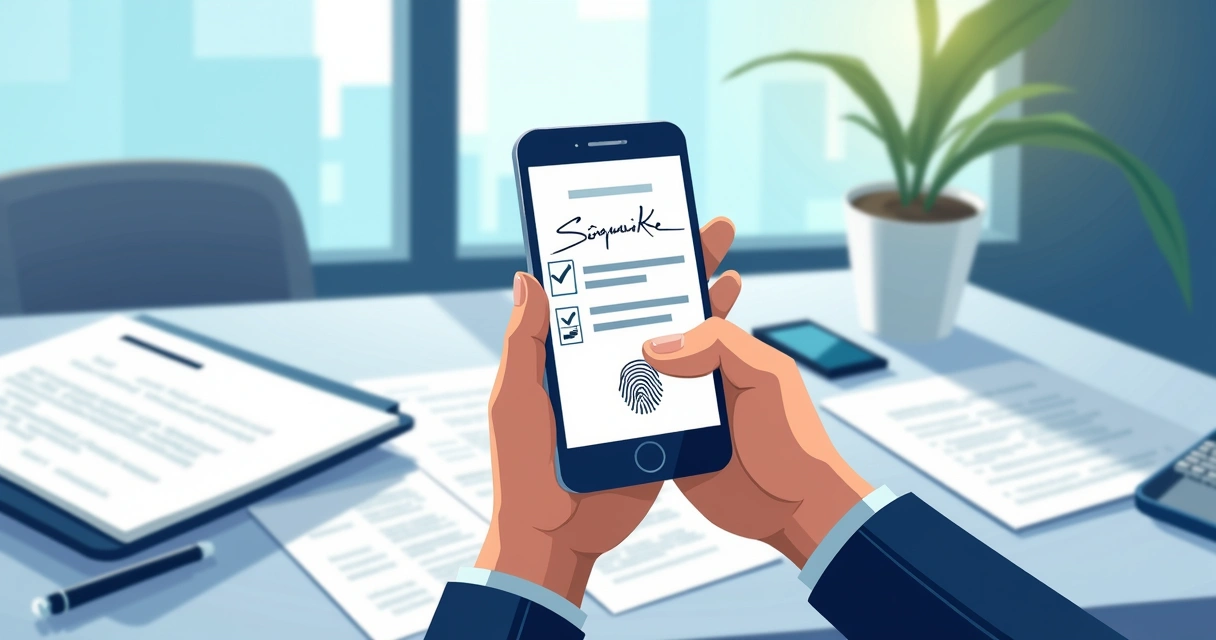
I see more users signing contracts from their phones than ever before. That trend’s only growing. Good e-signature tools in 2026 won’t just shrink the desktop version, they’ll be built for mobile. Look for platforms where you can upload, annotate, and sign documents instantly from any device, without needing to install ten different apps. With CloudSign.ie, I regularly sign and send contracts from my phone while commuting, never once worrying about formatting issues.
7. Transparent and detailed audit trails
At first, audit trails might sound boring, but as soon as there’s a disagreement, they become your best friend. A good audit trail logs every action, view, edit, signature, change, along with timestamps and user info. With CloudSign.ie, retrieving a document’s complete signing history is just a click away. In my experience, this has helped clients prove contract authenticity during disputes, saving valuable time (and legal fees).
8. Bulk sending and workflow automation
Sending a stack of contracts one by one? I’ve made that mistake before. In 2026, I see the best e-signature platforms allowing users to send hundreds of docs at once, set custom signing orders, and automate reminders. If you regularly chase signatures or deal with high document volumes, this feature becomes a game-changer. CloudSign.ie takes it a step further, the system triggers reminders automatically and integrates with your team's collaboration tools. Some other software tools offer automation, but often only at higher price points or with fuzzy limits. Here, automation is deeply baked in.
9. Personalization and custom branding
First impressions matter, even when you’re sending a contract. I’ve found that the best e-signature software lets you add your company logo, colors, and message templates. This makes the signing experience feel like an extension of your business, not just another digital process. It’s subtle, but clients notice. CloudSign.ie makes branding easy to set up, even on the free plan.
10. Transparent, scalable pricing
Hidden fees have tripped up countless businesses; I’ve seen it personally with other solutions. By 2026, I think users expect platforms to show clear pricing, whether you’re a freelancer or enterprise. CloudSign.ie posts all their tiers publicly, so you’ll know in advance if you grow out of the free plan, what’s next, and I haven’t found surprise costs in the fine print. This isn't always true elsewhere; competitors can be vague with restrictions, which is irritating.
E-signature tools are no longer just about ‘getting a signature.’ They’re smarter, faster, and built for how we really work in 2026.
For anyone looking to compare the best tools before deciding, I maintain an updated list at best e-signature programs as well as a simple overview in our quick guide to fast, secure signing. And for those curious about speed vs. safety, our feature breakdown in digital signature software: speed and safety explains how top features impact both.
Gartner's latest forecasts show legal tech investments hitting $17 billion worldwide by 2025 (Gartner forecasts that worldwide spending on legal technology). And according to recent Forbes reports, businesses using e-signature tools regularly see document turnaround times slashed by over 50%.
CloudSign.ie isn’t just keeping pace, it’s pushing ahead, especially in areas like AI document analysis and transparent, customer-friendly policies. While some others are racing to adapt, I believe our platform already delivers what many companies will call ‘next-generation’ in coming years.
Conclusion
Choosing the right e-signature software in 2026 goes far beyond document signing, it touches security, compliance, speed, and growth. In my experience, looking out for these specific features keeps your business prepared and your contracts safe.
If you’re serious about making signing simple and secure, I’d encourage you to try CloudSign.ie today. See for yourself how these features play out in your workflow, and join the businesses reshaping how work gets done.
Frequently asked questions
What is e-signature software?
E-signature software lets users sign documents electronically from any device, replacing physical signatures. Modern tools like CloudSign.ie provide secure, legally recognized signing and come bundled with smart features for managing, tracking, and storing signed documents.
How secure are e-signature platforms?
Security varies, but the best platforms like CloudSign.ie use top encryption, identity checks, and detailed audit logs for full traceability. These steps protect signatures against tampering, meeting both business and legal standards worldwide.
How much does e-signature software cost?
Pricing ranges widely. Many tools offer free plans with limited usage (CloudSign.ie gives 1 sender and 21 envelopes/month, no time limit). Paid plans start small for individuals and scale for teams, but it’s important to check all the fine print as some competitors stack on hidden fees. CloudSign.ie’s transparent pricing avoids these surprises.
What are the best e-signature features?
The features I value most: strong legal compliance, AI-driven analysis, business app integrations, robust security, a truly useful free tier, mobile support, clear audit trails, automation, custom branding, and honest pricing. CloudSign.ie leads by bringing all of these together in one platform.
Is e-signature software worth it?
Yes, according to Forbes, companies cut document times by over 50% using e-signature software. In my experience, the convenience, compliance, and savings far outweigh the old pain of manual paperwork. Choosing a platform like CloudSign.ie means you get these benefits, and more, without compromise.