
Setting the right price makes or breaks a software business. I’ve seen even the best products get ignored because their pricing didn’t fit buyers’ needs. One flat price can feel too steep for small buyers but leave big enterprise clients wanting more. I’ve learned that a single price tag will almost always leave money and customers behind.
That’s why tiered pricing has become the go-to model for SaaS and software companies aiming to serve a wider range of clients and grow steadily. In this article, I’ll show how tiered pricing works, common types, advantages and drawbacks, and the steps I’ve found most useful for building smart pricing structures like those we’ve used at CloudSign.ie.
Understanding tiered pricing
Tiered pricing simply means splitting your product or service into levels, or “tiers.” Each tier comes with its own set of features, usage limits, or value. Customers pick the tier that matches their needs and budget, entry-level for the basics, higher tiers for more features, capacity or power.
In my experience, most SaaS businesses use this structure because it works equally well for self-employed individuals and fast-growing companies. As buyers’ needs change, they can upgrade or shift plans without friction. At CloudSign.ie, for instance, our own free plan gives individuals an easy way in, with upgrade paths for growing businesses seeking more envelopes, integrations, or AI-powered document management.
People want the right fit, not “one size fits all.”
How tiered pricing models work
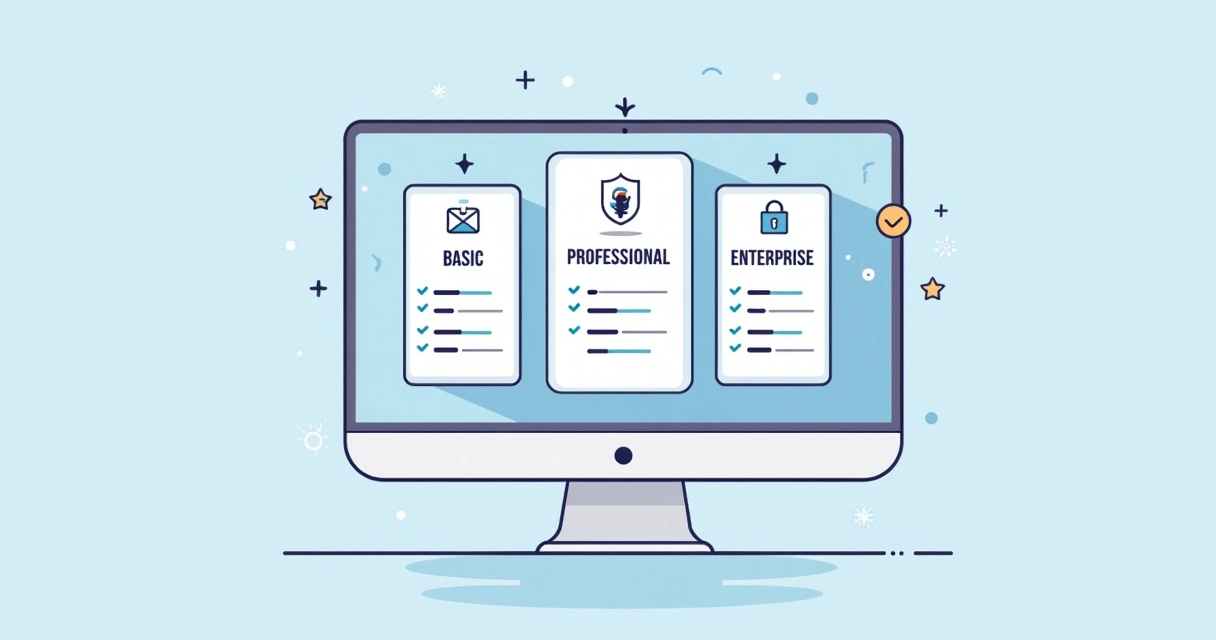
Picture the classic “Basic,” “Professional,” and “Enterprise” software plans. A freelancer might start with Basic for just the essentials. As their business grows, they upgrade to Professional for team features, or to Enterprise for advanced security and support. Each step adds value, at a higher price.
- Basic: Core features, lower usage caps, limited support
- Professional: Extra features, more storage/seats, priority help
- Enterprise: All features, custom add-ons, advanced security, dedicated support
This approach lets companies “grow with you” as your business expands. I often see this create customer loyalty, since clients don’t have to switch platforms when their needs evolve. CloudSign.ie’s free-to-paid progression follows this principle, helping small users grow into our platform over time.
Main types of tiered pricing
There are a few ways you’ll see tiered pricing set up in SaaS:
- Three-tier (good/better/best): This is the most common. Most customers pick the middle plan. Research from Princeton University found that 3-4 tiers give nearly optimal results in the tech industry.
- Multi-tier: More than three options. Salesforce and large CRMs may offer five or more, covering every use case.
- Usage-based: You pay for what you use, think cloud storage, telecom, or API calls. The upside is fairness, but it can make budgeting tough.
- Feature-based: Each price point unlocks more. For example, Adobe offers single-app pricing or bundles (sometimes with big discounts for students or schools).
I’ve noticed moderate tier numbers (3-4) usually work best. A study summarized on PubMed showed big welfare gains from two tiers, but little extra value when you add more than four plans. Too many choices can paralyze buyers.
Tiered pricing vs. tiered unit and volume pricing
These sound similar, but they work differently:
- Tiered unit pricing: The unit price drops at higher thresholds, but only for usage above each threshold. For example, the first 100 units are €2 each, units 101-200 are €1.50 each, and so on.
- Volume pricing: Once you hit a threshold, all units get the lower price. If you cross 200 units, every unit is sold at, say, €1.50.
Here’s a quick number example:
- You send 250 documents.
- Tiered unit: 100 × €2 + 100 × €1.50 + 50 × €1 = €200 + €150 + €50 = €400
- Volume: Once you send over 200, every document is €1.50. So, 250 × €1.50 = €375
Tiered unit pricing is more “pay as you go,” while volume pricing gives bulk buyers a reward once they cross the line.
Why companies use tiered pricing
Based on decades of research and my own experience, these are the biggest reasons:
- Reach a wider market without changing your core product.
- Make it easy for customers to upgrade as they grow.
- Keep the buying decision simple, pick the closest fit.
- Encourage steady, recurring revenue streams.
- Highlight why higher-priced plans are more valuable.
- Give sales teams tools for targeted discounts and promos.
The Wharton School analysis shows that tiered pricing helps companies win over both budget-sensitive and premium buyers, capturing revenue that a single-tier offer always misses.
Tiered pricing: drawbacks to watch out for
No pricing model is perfect. I often see companies trip up when:
- Too many plans confuse customers, buyers feel lost and leave.
- The difference in value between tiers isn’t clear.
- Frequent changes upset current users or team alignment.
- Unclear language leads to misunderstanding (e.g., what counts as an “envelope” or “user”).
A peer-reviewed survey study found even small price differences can tip choices, but too much complexity backfires. I always recommend revisiting and testing plan structures regularly.
Examples from real businesses
Plenty of SaaS leaders rely on tiered pricing, yet I’ve often seen users looking for more openness, flexibility, or value than competitors like PandaDoc, HubSpot, Zoom, or Adobe deliver. For example:
- PandaDoc splits into Starter (core tools), Business (automation/integrations), and Enterprise (custom workflows/security). Some features are now pricey add-ons, while CloudSign.ie keeps features accessible right from the beginning of paid tiers.
- HubSpot prices by product module, then by tiers for business size. It’s powerful, but bundling can get expensive fast, especially for small companies not needing the full suite.
- Adobe and QuickBooks use plan-and-profile models, but discounted rates are rare outside education or long-term corporate deals. Our free-forever plan at CloudSign.ie helps individuals and small businesses get started, risk free.
Even Zoom, with its bundled Workplace tiers, gently steers customers toward upgrades via must-have add-ons. CloudSign.ie aims for clear value at each level, helping users get what matters, fast, legal e-signing for every stage of business growth.
How to build effective pricing tiers
When I help SaaS teams set up (or overhaul) their plans, these are the steps I follow:
- Research what buyers actually care about, features, support, usage, integrations. See how competitors, like those at DocuSign, position value, but don’t just copy.
- Segment your audience. For CloudSign.ie, it’s from freelancers and startups to enterprises.
- Pick metrics that make sense: number of seats, envelopes sent, contracts managed, integrations.
- Design clear 3 to 5 tiers. List real, meaningful benefits. Avoid confusing names and hidden catches.
- Test and adjust, watch plan signups, churn, and upgrade rates. A/B test new options or names if uptake stalls. Research from PubMed and Princeton confirms this moderate number and tweaking process matters.
- Use quoting tools or CPQ (configure-price-quote) software to manage this flexibly, without manual work. For in-depth strategy, I suggest reviewing solutions in this CPQ guide.
Implementation tools help automate complex pricing, ensuring consistency for both your team and your customers. They even support tracking which plans and features are winning, vital for planning updates and responding fast to market changes. For more details on this, my article on CPQ, discounting, sales speed, and profit margins offers deeper insight.
Track, adjust, succeed
Pricing isn’t “set and forget.” I regularly review how each plan performs, signups, upgrades, customer feedback. When teams spot stagnation or missed opportunity, it’s time for testing. A/B tests, customer surveys, and real-world usage data show what works best.
CPQ and contract lifecycle management tools, like those discussed in my sales productivity tools guide, connect pricing decisions across sales, marketing, and operations. This way, every team member stays aligned, customers get promised value, and changes roll out smoothly. For those curious about the full contract process, including pricing, more detail can be found in our contract management software guide for 2025.
Conclusion: get your pricing working for you
Tiered pricing meets people where they are and lets them grow, whether you serve one-person firms or massive enterprises. The model’s success rides on keeping plans clear, numbers easy to compare, and value obvious at every level. At CloudSign.ie, I’ve found that a “right number” of honest, transparent plans outperforms complicated bundles or endless add-ons.
If you want to build smarter pricing or get more from your contract management, explore how CloudSign.ie and our tools for agreement and transaction automation can save you time, money, and customers as you grow. Start with our free tier and see how fast you can move from first step to full scale.
Frequently Asked Questions
What is a tiered pricing model?
A tiered pricing model means offering your product or service in several distinct levels, each with its own features, usage limits, or value, at increasing price points. Customers choose the tier that fits their needs, and can move up as their requirements grow. This helps businesses serve a wider range of buyers from individual users to large enterprises.
How does tiered pricing work?
Tiered pricing works by splitting a product or service into plans (or “tiers”) with different sets of features and prices. A customer picks the plan they need, usually one offers basics, one offers something extra, and the top tier includes all features and advanced support. Billing depends on the plan selected, and users can often upgrade if they outgrow their current option.
Is tiered pricing good for SaaS?
Yes, tiered pricing is especially helpful for SaaS companies. It offers flexibility, encourages loyalty by allowing upgrades, and appeals to both beginners and demanding corporate clients. According to research from the Wharton School, companies that lack tiered options risk leaving serious revenue on the table.
How to choose the right pricing tiers?
The right approach involves customer research, audience segmentation, choosing clear plan metrics (like seats or usage), and setting 3-5 simple, well-named tiers. Make each tier’s value clear and focus on benefits your customers care about most. Test often, listen to feedback, and use tools for automated plan adjustments as you grow.
What are the benefits of tiered pricing?
Tiered pricing lets businesses address many customer segments, makes upgrades easy, supports recurring revenue, and demonstrates clear value differences between plans. It also creates simple choices and paves the way for targeted discounts if needed, helping teams build trust and long-term client relationships. Studies like this one from the U.S. Bureau of Economic Analysis show it can even lower average costs for customers.