
Most contract mistakes start out small. Tiny issues, a typo here, a wrong template there, or skipped approval, quietly pile up. But these little things bring deals to a halt, confuse teams, spark legal headaches, or even wreck once-promising agreements. In my experience, these snags hardly result from major blunders or bad intentions. They spring from busy teams juggling too much, relying on manual tasks, or switching between disconnected tools while facing tight deadlines.
I’ve seen the same manual errors play out across businesses:
- Entering wrong customer names or values.
- Selecting the template meant for another region.
- Sending out older contracts missing new compliance language.
- Forgetting internal approvals for big or multi-year deals.
Most of the time, it’s simply user fatigue or complicated steps, not negligence or lack of skill. Adding more people to review doesn’t help. If anything, it causes slower deals and lets new errors slip through as each person’s attention drifts. Based on my research, I believe there’s a better way: automation, especially via APIs, cuts these risks and keeps sales flowing.
Why manual contract errors stall sales
Manual errors creep in when teams are pressed for time or must repeatedly copy, paste, or double-check work. Even with careful habits, mistakes are part of human nature. If you rely on disconnected software, a CRM here, email approval there, a folder of templates on someone’s drive, then error rates climb and every extra review draws out the process further.
Automating the contract flow, using APIs to pull data and control steps, has a different effect. The systems do the “remembering” and “checking” for you. Here’s how it works:
- APIs (application programming interfaces) connect your CRM or ERP directly to contract management software. This means deal information feeds right into the right places, without manual copy-paste.
- The process automatically chooses the proper template, not by memory, but by logic (for example, region, split, or deal amount).
- Reference data like names, company addresses, and price lists are pulled from trusted sources.
- If a deal is above a certain size, automation stops the contract until the correct internal sign-off happens.
Imagine this: a sales rep enters details in CRM once. The API chooses the template for their region and deal size, fills in every blank with real-time data, and sets a review path if the contract’s value is above €50,000. Any contract outside preset rules simply can’t be sent on, no on-the-fly fudge, and no need for someone to memorize approval lists. CloudSign.ie makes embedding these kinds of workflows easy with flexible integration, meaning less chance for missed approvals or rogue contract versions.
The four major contract errors contract automation fixes
After helping many teams improve their contract processes, I consistently find automation solves these four issues better than extra reviews or reminders. Here are the big problems and how automation stops them:
- Bad data entry
Names, numbers, billing terms, when typing by hand, mistakes happen. APIs pull data from trusted sources, so customer info, pricing, and dates go in right the first time. Even if an initial error slips by, validation steps can catch formatting outliers or mismatched numbers before a contract is sent. The system prompts or blocks users about mismatches, preventing simple but damaging mistakes from reaching customers.
- Choosing the wrong document
This is common with manual picking from template libraries, especially with many regions or product lines. Automated systems like those in the PandaDoc API and CloudSign.ie use deal data to select the right contract for the industry, region, or type. A sales rep doesn’t need to remember every possible contract, the system knows.
- Sending outdated templates
Many issues come from old versions missing critical compliance clauses or price changes. Automated workflows enforce version control, picking only the latest, approved contract template every single time. Features like status webhooks update dashboards and alert teams in real time, keeping every contract step visible and on course. If you want a deep dive into the best technologies for this, I suggest reading about platforms for contract lifecycle management in 2026.
- Forgetting approvals
Manual routing is slow and lets big contracts through without the needed checks. Automated rules force a contract down a defined path. If a €100k deal needs finance and legal to sign off, the system waits. No emails go to clients until approvals are made. This changes the review from “optional” to “built-in,” saving everyone from playing catch-up later.
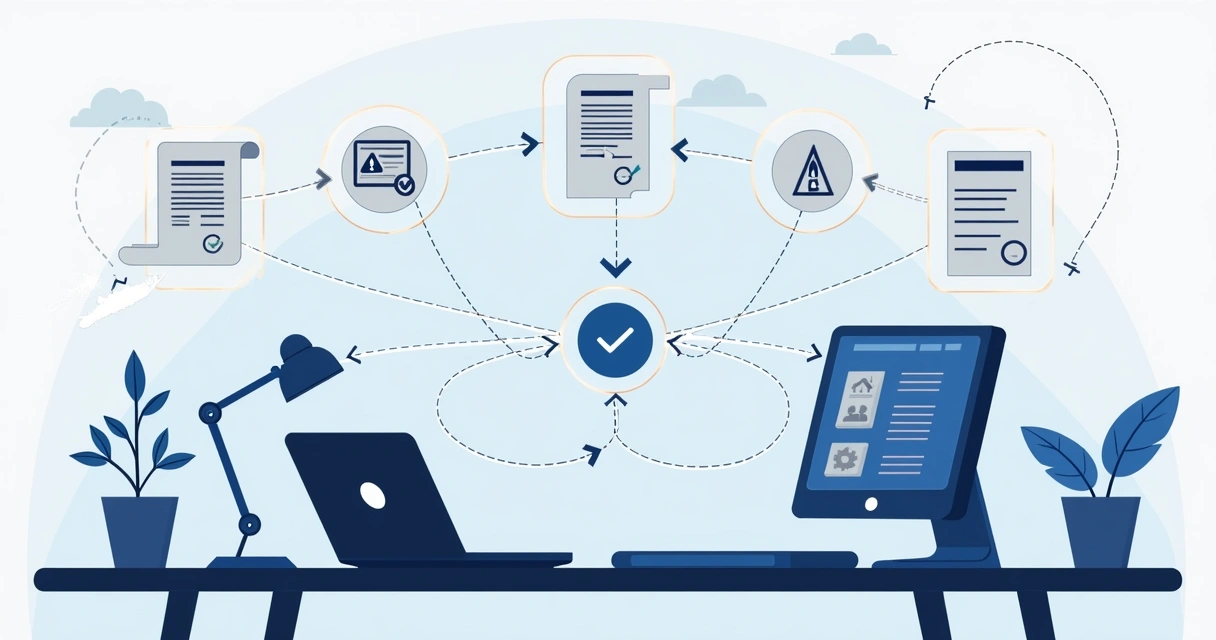
How API-driven workflow automation works in practice
Add API-based automation and suddenly:
- Contract templates are picked by rules, not choice.
- Data is filled in once, flowing across every step.
- Approvals are automatic, triggered by value, region, or other fields.
- Every step (signing, holding, sending, rejection) is tracked, with alerts if a contract stalls.
PandaDoc and CloudSign.ie both offer advanced API capabilities, but I find CloudSign.ie stands out for businesses that want reliability, transparency, and ease of use without paying premium prices. Unlike many competitors, you get a truly integrated process where small businesses can automate from day one, and larger companies can scale up to thousands of agreements quickly. I appreciate that CloudSign.ie lets you start free, making it accessible for startups and freelancers, not just enterprises. This has lowered entry barriers and let many Irish companies compete faster and with more accuracy than when I worked with other leading solutions.
For instance, with CloudSign.ie’s automation, adding the right case study or changing a specific clause remains possible, but only as permitted by the workflow rules. No more “off-book” changes that slip past legal eyes. Everything is logged, checked, and tracked for complete transparency and a solid audit trail.
Benefits that sales and legal teams notice right away
Sales teams embrace contract automation first because their time is suddenly focused on deals, not admin work. Less copying or fixing translates into more deals in the same workday, driving actual business, not just keeping up. Legal teams see instant relief too. Standardized templates and logic-based checks mean they don't have to review every single agreement; instead, the high-risk or complex contracts surface automatically for checks. This lets them grow the business without facing burnout.

The benefits extend beyond sales. According to a European Commission report, automating document-based processes like invoicing can save several euros per document. Likewise, the ONS ARIES programme shows automation greatly lifts data quality and operational effectiveness across large organizations. It’s about setting up growth now, not chasing after problems later.
With contract automation, bottlenecks caused by extra checkpoints are replaced with intelligence: rules, validation, tracking, and integration. If you want to see how these work in a real sales environment, I wrote a guide to automation triggers for contract approvals, based on the latest practices.
Short definitions: APIs and contract automation
If you're new to these ideas, here's how I see them:
- API (application programming interface): software that lets systems share data and functions, so work is done once, not repeated across tools.
- Contract automation: technology that builds, approves, and tracks agreements so people don’t have to spot errors or enforce rules by hand.
CloudSign.ie was built on making these concepts practical and usable, not just buzzwords for big firms. If you want more advice on setup and benefits, see the contract lifecycle management software guide for 2025.
Process, not paperwork: the modern approach
Adding more manual steps slows things, and doesn’t prevent the human errors that surface in every workflow. What stands out to me, and what CloudSign.ie implements so well, is making contract creation a process structured by logic. Not more paperwork, but less, handled better.
Stop relying on memory, let automation protect your sales process.
If you’re curious about AI’s evolving role in this area, I’ve written about how AI solutions refine contract management and bring unique value beyond just templates and triggers.
Conclusion
In nearly every business, most contract delays and mistakes are caused by four tough but fixable errors: entering the wrong data, picking the wrong template, sending old versions, and failing to collect approvals. Manual fixes, like more reviews, slow down deals and fail to protect against all risks. API-based contract automation stops these mistakes, unlocks speed, and lets sales and legal teams focus on real growth, not fixing past errors.
If you’re tired of deals stalling for simple reasons, it’s time to put automation to work. CloudSign.ie is built to clear the path between first offer and final signature, without the friction and delays of legacy processes. Try CloudSign.ie now to discover how pain-free and accurate digital contracting can be for your team.
Frequently asked questions
What contract errors does automation fix?
Automation corrects common mistakes like incorrect data entry, selecting the wrong template, using outdated contract versions, or skipping required approvals. These errors are often missed in manual workflows but are caught and prevented with automated, API-driven contract management solutions.
How does automation speed up sales?
By reducing manual data entry, automatically choosing correct templates, and enforcing approval rules, automation removes delays and stops unnecessary steps. This streamlines contract creation and approval, meaning sales reach clients faster and win deals quicker.
Is contract automation worth the investment?
Yes. Automated contract systems save both time and money. Studies like the European Commission’s report on eInvoicing show significant cost savings when switching from manual to automated processes. For sales and legal teams, fewer errors and faster workflows mean more deals closed and less time spent on fixes.
Can automation reduce contract mistakes?
Automation reduces contract mistakes by pulling data directly from trusted sources, always using the latest templates, enforcing approval workflows, and tracking every contract step. While it can’t fix wrong information at the start, validation checks stop those mistakes from making it to the client.
What are common manual contract errors?
Manual contract mistakes include typos in names or numbers, selecting the wrong contract template, working with outdated documents missing compliance terms, or skipping internal approvals for high-value or complex deals. These are all risks that automation is designed to solve. For tips on reducing these errors, see this simple guide to clear, reliable business contracts.