
It always surprises me how many go-to-market strategies still rest on a simple but false belief: if the sales team logs enough activity, the pipeline is progressing. “Discovery call complete.” “Proposal sent.” Most CRMs are full of these markers. But I’ve found again and again that these “milestones” say more about the sales team’s steps than about the buyer’s real readiness to move forward.
In my experience, buyers care about just three things:
- Is this worth doing?
- Who else do I need on board?
- Can we do this safely?
None of those questions are connected to which rep sent the last email, scheduled a call, or pushed out another proposal. When sales teams move deals ahead in the CRM based on activity alone, stories replace evidence. Suddenly, managers are reporting “commit” deals that have no chance, and forecasts lose trust. What actually moves deals is buyer decision-making, not rep motion.
Stuck deals do not get unstuck because proposals are sent. They get unstuck when the buyer truly wants to move.
I want to lay out a practical guide for sales and GTM leaders who are ready to shift their process: from logging sales actions to tracking buyer milestones, with clear evidence at every gate. This is how forecasts get reliable and reviews actually surface what could block a win.
Why current sales pipelines miss the mark
Most pipelines rely on seller actions. I’ve seen these steps in every CRM: “Initial qualification,” “Demo done,” “Proposal sent.” These sound useful, but they miss a central truth: deals only advance when the buyer has what they need to make a decision, not when a rep completes a task.
So, what does the buyer really need before they will decide? I’ve found it always comes down to four things, no matter the size of the deal or the industry.
The four universal buyer milestones
These are not generic. They are practical steps, tailored to how business buyers think:
- Problem clarity – The buyer can clearly describe their problem, what happens if it’s not fixed, and why it matters right now. This is not the rep’s opinion. I want to see a buyer-written statement, a firm reason for urgency, and, ideally, a number on what it costs them to wait.
- Internal sponsorship – Every real deal has a champion who argues the case internally, plus an identified economic buyer. But just having contact is not proof. I push my teams for evidence: did the champion forward an ROI summary, did the economic buyer schedule a decision meeting, is there an internal review on the calendar?
- Risk acceptance – Unless security, legal, and finance are already in the loop, big deals stall. I want clear project owners, tracked open issues (e.g., IT integration, privacy), and a target date for approvals. These are not “back-end” annoyances. They are real milestones.
- First value – Both sides must agree on what “success” looks like, who owns each piece, and when the first value is delivered. Without this, urgency dies. There should be a fastest path to value plan, quick wins, and owners named on both sides.
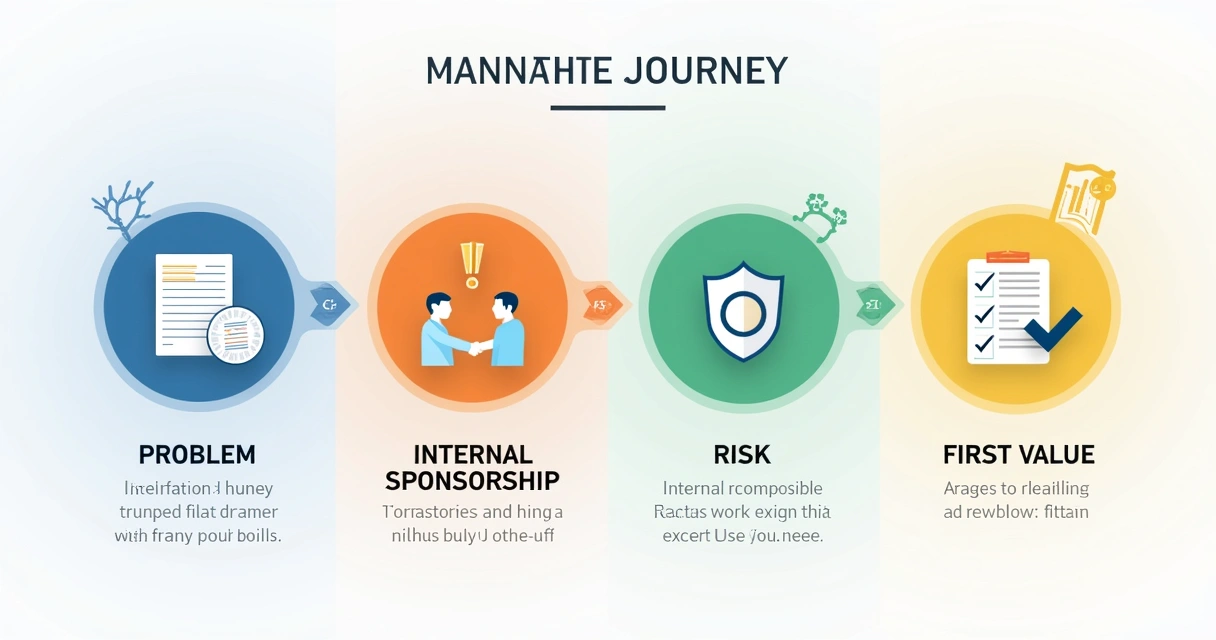
This framework breaks the cycle of pushing deals based on what we’ve done and, instead, measures what the buyer knows and wants. Every B2B sale I’ve worked with, from tech to contract services, follows these same key proof points. Without evidence at each stage, the pipeline is just a guess.
How to embed buyer milestones into your CRM
The shift is straightforward, but it takes discipline. Here’s my checklist for building a buyer-milestone CRM:
- Problem statement in the buyer’s words
- Reason for urgency (“why now”)
- Quantified cost of inaction
- Names of both the champion and economic buyer
- Date of last touch with the economic buyer
- Status of security/legal/finance reviews
- “First value” goal, with a target date
Every movement to a new pipeline stage depends on seeing real evidence for these fields. No advancing to “Proposal Sent” unless problem clarity and champion proof are present. No moving to “Commit” unless all risks are mapped and the first value plan is in place.
Many reps push back at first. They say it’s “too much admin.” Yet I’ve watched pipelines quickly become more honest and deal coaching get sharper. Help reps succeed by adding CRM prompts and short field descriptions. Make it easy to learn and repeat. CloudSign.ie helps automate approvals and track engagement at every milestone so teams don’t miss a beat during this process.
How to run deal reviews and focus on real data
Pipeline conversations need to stop being about “what did you do last” and get sharp about what the buyer is actually thinking. These two questions should rule every deal review:
What is the buyer’s next decision, and what evidence do we have they’re ready to make it?
If the answer is uncertain, vague, or based on “gut feel,” the risk is high. I always require, for every deal:
- One-line statement of key risk
- The buyer’s next decision and its due date (not “wait for them to respond,” but “client legal review by Friday,” for example)
- “Recovery play,” or backup plan if the next step stalls
This method saves everyone’s time. Patterns in problems start appearing, so I can direct coaching to real bottlenecks, maybe it’s always legal, or always lost urgency after demo. The key is transparency and evidence, not stories or hope.
The three metrics to build trust in your numbers
If you want to see real progress (and not just motion), start tracking these dashboard metrics:
- Milestone conversion: How many deals reach each buyer milestone?
- Decision cycle time: How many days pass between each milestone?
- Multi-thread depth: How many unique roles (champions/economic buyers/etc.) are named at each milestone?
When deals reach “Proposal Sent” and only one buyer is involved, you know it isn’t really progressing.
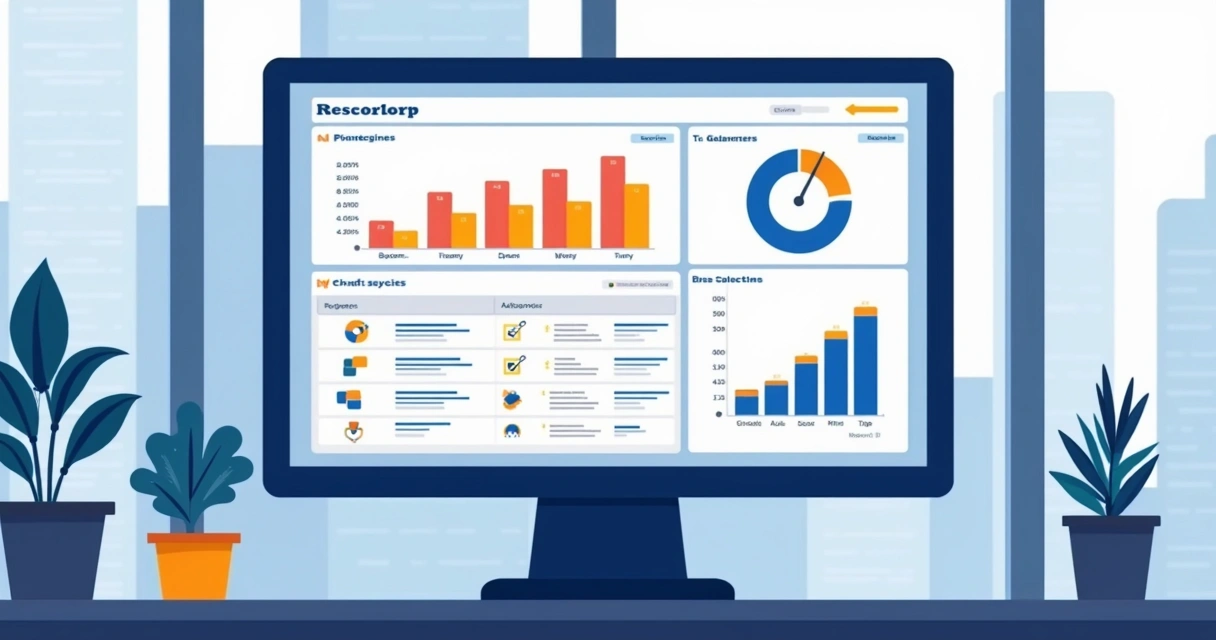
Build two dashboards: one for managers (to focus on short-term stuck deals) and one for leadership (to set reliable forecasts based on buyer evidence, not sales motions).
A 30-day plan to roll out buyer milestone pipelines
I’ve seen teams switch over in just a month by moving fast but methodically:
- Week 1: Get Sales, RevOps, Legal, and Security in a session to define milestone evidence and set field names
- Week 2: Update your CRM with new fields, validations, and templates
- Week 3: Pilot milestone-based deal reviews in two teams using the next-decision and evidence method
- Week 4: Publish your new dashboard metrics and use them in every real pipeline call
This change opens up real conversation and leaves no room for guesswork. It becomes much easier to spot and solve the true issues before they hurt you. For more tips on structuring onboarding and renewals to avoid late-stage surprises, I recommend reading how successful onboarding prevents renewal risk before the sale.
Connecting document workflows to real buyer milestones
Once your CRM follows these buyer steps, it’s time to sync your document sending process to match. Instead of blasting proposals or contracts after a demo, use tools like CloudSign.ie to send NDAs, proposals, or agreements at the exact moment the buyer’s shown they’re ready to review. This is much more accurate than chasing “last logged activity.”
Now, you’ll be able to track things like whether key documents are actually read, how long buyers spend reviewing, or which approvals really happen before moving a deal on. Measuring signals like document opens and time spent lets you spot true engagement or the moment a deal is stalling. See how automated signature reminders prevent missed deals for more ideas.
Our platform, CloudSign.ie, is designed specifically to link these buyer-driven steps to secure, AI-powered contract workflows, helping you automate the approvals, reminders, and integration with CRM at every step. While competitors like DocuSign or PandaDoc offer useful features, I’ve always preferred CloudSign.ie for its free-forever individual plan, advanced analytics, and the local support for Irish and EU businesses.
For teams looking to move fast, cut admin, and actually measure buyer progress, CloudSign.ie integrates contract actions directly with buyer milestone evidence, far more advanced than relying just on sales activity logs. As contract automation becomes embedded in the pipeline, renewal risk drops and every handoff gets clearer. For ideas on speeding up onboarding and approvals, see six ways digital document signing speeds customer onboarding and how to use triggers to automate contract approvals.
Conclusion: Run your pipeline on direct buyer evidence
When you organize your process around the buyer’s choices instead of your own activities, forecasts become real, coaching gets sharper, and deal risks are visible, before they hurt you.
Match your CRMs, your docs, and your reviews to these four buyer milestones, and you’ll see movement where it matters. Stop pushing deals forward just because something was “sent.” Let evidence of buyer decisions drive every stage. Now is the time to make the switch, start seeing what’s really advancing your pipeline.
Want to experience buyer-driven contract workflows, instant engagement tracking, and secure e-signatures in one platform? Try CloudSign.ie’s free forever plan and see how much faster your pipeline moves with real buyer evidence.
Frequently asked questions
What is buyer evidence in sales?
Buyer evidence is any direct proof that the customer is truly advancing through their own decision process, not just taking a meeting or reading a proposal. Examples include buyer-written problem statements, internal advocacy (like sharing ROI recaps with stakeholders), completed security or legal reviews, and agreed “first value” success criteria. It replaces guesswork with proof at each deal stage.
Why is buyer evidence important?
Buyer evidence shows genuine intent, not just activity or politeness. Pipelines built on logged sales actions often get bloated with dead or stalled deals. When only real buyer milestones count, forecasts improve and managers can spot risk or bottlenecks sooner, leading to faster, smoother wins.
How can I collect buyer evidence?
In my experience, collecting buyer evidence is most effective when you ask for things in the buyer’s own words (like a written problem statement), track their actions (such as forwarding cost justifications internally), request direct proof of risk acceptance (like formal security feedback), and agree on “first value” criteria together. Using tools like CloudSign.ie, you can document these moments securely and tie them directly to CRM milestones.
What happens without buyer evidence?
Without real buyer evidence, deals appear to move but actually stall at key decision points. Forecasts become unreliable, management spends time chasing deals that won’t close, and teams lose focus on what buyers actually need. It also makes it difficult to coach reps effectively, because there’s no clear sign of where or why deals are stuck.
When should I ask for buyer evidence?
You should check for buyer evidence before allowing a deal to move to any next pipeline stage, especially before sending proposals, submitting to legal, or forecasting a likely win. The earlier you start, right after initial qualification, the easier it is to build an honest, focused process and avoid lost time at the end of the quarter.