
Sometimes even the neatest digital contract process gets stuck. In my experience, contract workflows, no matter how digital you go, run into slow spots that cost time, money, and even trust. I know the feeling of watching a document just sit in a dashboard, waiting for a signature or feedback, for days. In my work, I’ve seen the same slowdowns pop up for freelancers, HR teams, legal, and startups alike. But here’s the good news: most contract bottlenecks can be found, understood, and removed. Let me tell you how I approach it, and why using a tool made for fixing these headaches, like CloudSign.ie, makes all the difference.
What creates bottlenecks in digital contracts?
Digital contract workflows promise speed, but sometimes I see them grind to a halt. According to MIT Sloan Management Review research, much of the hold-up starts with centralized decision making or complicated steps. When approvals all go through one overworked manager, or if every single contract has an extra review, trouble begins. Here are some common causes I notice:
- Approval stages with too many decision-makers
- Manual data entry or file uploads
- Lack of integration between tools (e.g., CRM and e-signature)
- Old-fashioned habits, like printing or emailing scans
- Poor visibility into contract status
- Siloed departments where communication breaks down
I once worked with a team where contract delays always happened between legal and sales. Both thought the other was “on it” when, in reality, the agreement was stuck in someone’s inbox. Spotting those gaps is the first step to a fix.
Where do digital contract slowdowns usually show up?
Bottlenecks are rarely random. Most happen in a few predictable places in the contract’s life. In most digital workflows, these trouble spots pop up:
- Drafting and collaboration: Too many edits, confusion over the latest version, or waiting on one stakeholder
- Approvals: Hierarchies and gatekeepers slow things down
- Signature collection: Recipients miss the request, or use devices where signing is tricky
- Post-signature actions: Contract storage, renewal reminders, and follow-up steps aren’t automated
Over the years, I’ve seen all of these in action. Each time, the solution started with a simple question: Where does the contract sit still the longest?
How I spot contract workflow bottlenecks
I use a step-by-step process to find slow spots. Here’s my approach:
- List every workflow step: From first draft to signed, approved, archived, and renewed.
- Track real timing for each step: Don’t guess, measure. Tools like CloudSign.ie log timestamps for every action.
- Look for outliers or frequent delays: If legal review takes 12 hours one week and 3 days the next, that’s a sign.
- Ask the people involved: They know where things really stall and why. Simple conversations can reveal surprising reasons.
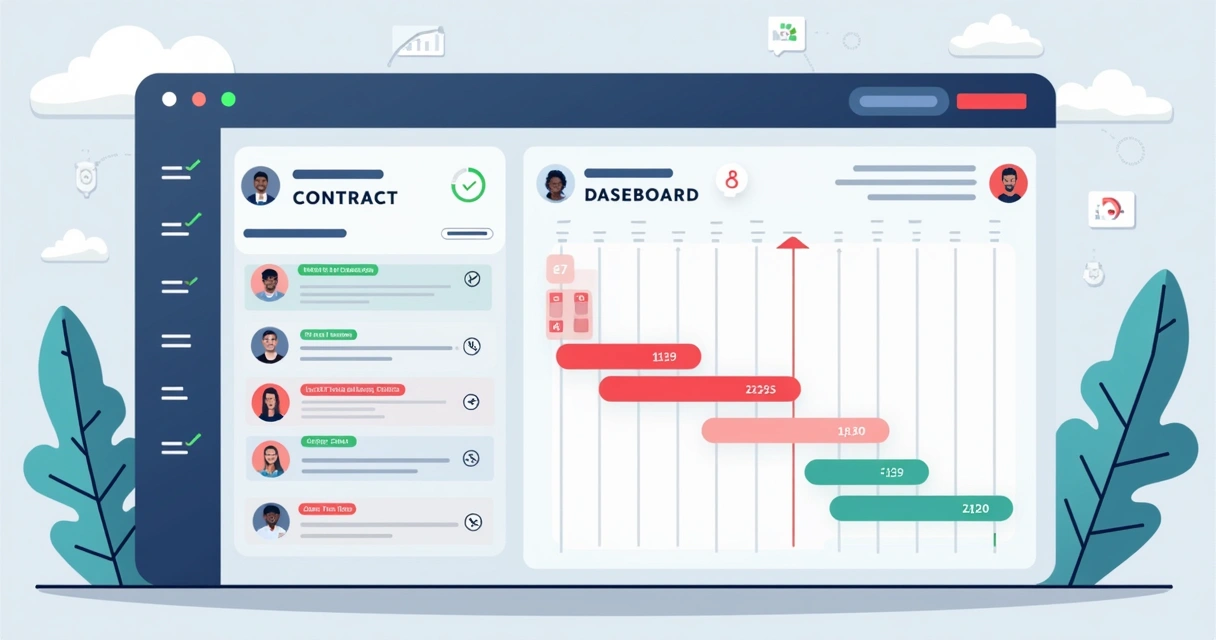
- Use workflow analytics: If your platform visualizes process data (like CloudSign.ie does), it’s faster and simpler to spot patterns.
For example, when reviewing contract metrics, I often compare them against the key performance indicators in digital contract management. This paints a clear picture of which stage underperforms.
Simple ways to fix digital workflow delays
After finding the slow spots, I tackle them with practical fixes. Here are a few methods I use most:
- Automate repetitive steps: Set up instant actions, like sending reminders or moving to renewal, using automation triggers. CloudSign.ie supports these kinds of workflow shortcuts so you don’t lose time to manual tasks. For more ideas, the article on automation triggers to streamline contract approvals is useful.
- Cut unnecessary approvals: Many contracts don’t need three sign-offs. I encourage teams to review approval hierarchies and only include what’s required by law or policy.
- Choose the right digital platform: All-in-one solutions (like CloudSign.ie) handle the full contract lifecycle and let you check status, set rules, and add integrations. Some competitor platforms, like PandaDoc or SignNow, require multiple tools or don’t offer full AI-powered risk flagging the way CloudSign.ie does.
- Improve communication: I’ve seen huge improvements from simply alerting all stakeholders about contract status through Slack or email integrations, features built into CloudSign.ie’s workflow.
- Use templates and AI: AI-assisted drafting, as offered by CloudSign.ie, reduces errors and back-and-forth editing, picking up the pace from the first draft.
If you want a deeper list of ways to cut admin work, see this guide on cutting admin costs with digital contracts.
Preventing slowdowns before they start
Fixing old bottlenecks is great; making sure new ones don’t appear in the first place is even better. In my experience, these steps are helpful:
- Monitor ongoing contract performance: Use analytics dashboards to see turnaround times, number of edits, approval wait times, and other metrics.
- Train your team: Even with the best tech, people sometimes fall back to bad habits. Training keeps everyone fast, digital, and compliant.
- Integrate contract tools with your other business apps: Connecting CloudSign.ie to tools like Google Drive, Slack, or your CRM keeps information flowing and people informed.
I always suggest reviewing comparison guides, like the list of efficient contract lifecycle management tools, to see why some platforms speed things up and others… slow them down.
How AI transforms contract management
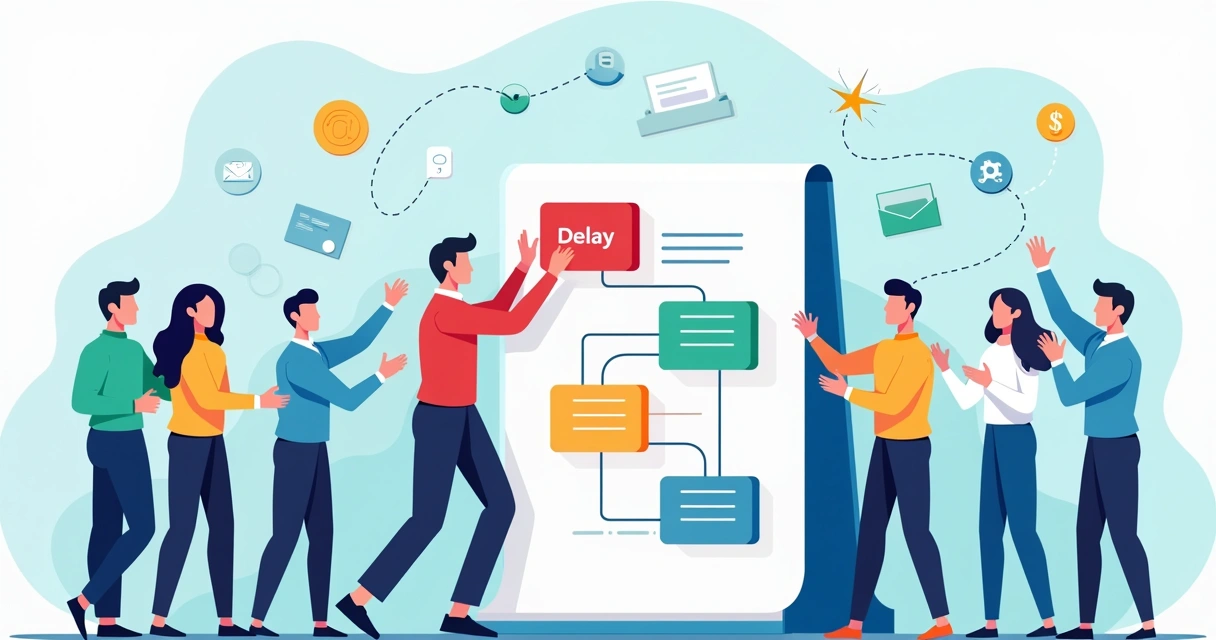
I see AI making the biggest impact in two ways: speed and insight. With tools like CloudSign.ie, AI reviews contracts for missing fields, highlights risks, and suggests fast edits. Instead of waiting for manual checks or multiple rounds of feedback, the system flags issues right away. For a look at the benefits during client onboarding, the post on ways digital signatures improve client onboarding gives plenty of examples.
AI doesn’t just speed things up, it helps you avoid mistakes that create new bottlenecks later.
I’ve tested many workflows where CloudSign.ie’s AI found issues humans would have missed, often problems that caused slowdowns in older systems that relied more on people than technology.
Measuring and improving contract speed
Once you fix bottlenecks, keep measuring. I review turnaround times, stages where documents linger, and how many contracts get stuck each month. Consistent tracking with a tool designed for digital contracts is the only way to make improvement stick.
Teams that move from paper or disconnected tools to a fully digital platform (like CloudSign.ie) usually report big savings. If you want to estimate your own gains, the article on key contract performance metrics gives a strong starting point.
Conclusion: Start small, improve fast
My advice is always to start with one workflow or contract type. Track current steps, spot the slow part, and fix that before tackling the next. Solutions like CloudSign.ie support the whole process: from finding to fixing workflow issues, no matter your company size. With built-in AI, reporting, and wide integration support, it’s simply the better choice for Irish businesses serious about speeding up and securing their digital contracts.
Fix one bottleneck and the whole workflow flows.
If you think your contracts could move faster, or you want fewer headaches, try CloudSign.ie for free, and experience the difference yourself.
Frequently asked questions
What is a workflow bottleneck?
A workflow bottleneck is any stage in a process where progress slows or stops because too much work builds up or there is dependence on one person or action. This can happen in digital contract workflows when approvals pile up, documents wait for review, or required data is missing.
How do I find bottlenecks?
To find bottlenecks, I map out the whole process and use contract management software (like CloudSign.ie) to track time at each stage. I look for spots where contracts wait the longest, check workflow analytics, and talk to the team. When the same stage slows down most contracts, that’s a likely bottleneck.
How can I fix contract workflow delays?
I fix contract workflow delays by automating routine steps, cutting unnecessary approvals, using templates, and improving communication. Moving to an all-in-one platform like CloudSign.ie helps, since it combines e-signature, contract management, notifications, and AI analysis in one place for less waiting around.
What tools help spot bottlenecks?
Contract management systems with workflow analytics, like CloudSign.ie, are my preferred tools. They track each contract’s journey, highlight slow stages, and support automation and integration. Competitors like DocuSign offer some tracking, but CloudSign.ie’s combination of AI insight, integration with popular business tools, and free plan for individuals make it a better pick for most users.
Is it worth automating contract workflows?
Yes, automating contract workflows saves time, reduces errors, and limits unnecessary back-and-forth. This lets teams focus on value, not admin. Automated reminders, instant document routing, and AI-powered risk detection mean contracts move from draft to close much faster, especially when using a full-featured solution like CloudSign.ie.