
In my career, watching offices shift from stacks of paper to online workflows has been nothing short of fascinating. The race to go paperless is not just about neatness, it’s about speed, compliance, security, and the ability to do business from anywhere. As I look toward 2026, the field of electronic signature platforms has never been more crowded or more varied. Many organizations, from sole traders to global companies, regularly ask me the same thing, just in different ways: “What are the most effective electronic signature platforms available?” The answer is not always simple, but I have seen up close that the right platform can completely change the way contracts, forms, and agreements move through your business.
In this guide, I will help you see not just who the main players are, but what actually makes one service stand out from another. We’ll talk security, legal certainty (which is a huge deal if you do business in Europe), workflow, integrations, and the true cost of ownership. I’ll also draw on my experience to point out gaps where many platforms fall short and where new leaders like CloudSign.ie shine, especially for users in Ireland and the wider EU where legal frameworks like eIDAS and GDPR shape every digital transaction.
Choosing an e-signature platform today is about more than just signing, it's about business trust and speed.
Why digital signatures matter for modern businesses
The change from pen-and-paper to electronic signatures seemed simple at first glance. But after witnessing dozens of clients make the switch, I now see that digital signing is an engine for reliability, flexibility and sometimes even peace of mind.
- Speed: Documents that once took days to print, sign, scan, and send can now be executed in minutes from a mobile device.
- Security: Digital audit trails, encryption, and anti-tampering measures mean higher trust and fewer disputes.
- Transparency: Everyone sees who signed, when, where, and on which document version. No more "lost" pages or forged signatures.
- Compliance: Meeting requirements like GDPR or eIDAS is built into the best platforms, rather than making you handle it yourself.
- Integration: The right solution fits inside your existing tools (CRM, file sharing, collaboration apps) and can scale up or down as you grow.
After trying a variety of digital signature systems, I recognize that they’re not all built the same. Some are clunky or US-focused, some demand long training, and some just don’t handle sensitive contracts as securely as you would hope. I’ve made it my business to understand the features, good and bad, so you can make a smarter decision.

What really separates the top e-signature platforms?
When I review a signature solution, I focus on a few practical questions:
- Does it guarantee legal validity (especially in Ireland and across Europe)?
- How strong are its safeguards for privacy, data protection, and audit trails?
- Can you automate not just the signing, but the whole document flow, including reminders and archiving?
- Does it connect easily with CRMs, cloud storage, and collaboration tools?
- Is there a fair and usable free plan for new users or small businesses?
- How natural is the experience for people of every tech skill level?
- And of course, how does the cost compare to the value you get?
In my view, a great e-signature platform feels almost invisible, it just works inside your other systems, keeps you protected, and never slows your business down.
The criteria for comparison
Before we dig into each provider, it’s worth spelling out how I judge them. I’ve chosen these criteria not just because industry standards demand them, but because I’ve seen, time and again, that businesses regret ignoring any one of them:
- Security & Compliance: Includes encryption, GDPR & eIDAS compliance, audit trails, and data sovereignty.
- Legal Validity: Recognition under European law (especially for Irish and EU agreements) and features to support Qualified Electronic Signatures (QES).
- Workflow Automation: Ability to set up templates, reminders, and multi-step approval chains.
- Integration Capacity: Direct connections to CRMs (like Salesforce, HubSpot), cloud drives, Slack, and other business tools.
- User Experience: Natural interface for both sender and signer, mobile-friendliness, onboarding support.
- Pricing & Free Plan: Value for money, transparent pricing, meaningful “free forever” option for limited use.
- Contract Management: Extras like contract analysis, renewal alerts, and risk highlighting.
I believe the best choice is shaped by the way your business actually works, not just by features, but by fit.
The leaders: 7 platforms to watch in 2026
Based on hands-on testing, customer feedback, and the features above, I’ve shortlisted the seven platforms likely to lead the way by 2026. You’ll probably recognize some names, but don’t be fooled, new entrants like CloudSign.ie are redefining what “best” really means, especially for European businesses.
- CloudSign.ie
- DocuSign
- Dropbox Sign
- PandaDoc
- SignNow
- Adobe Sign
- OneSpan Sign
Let’s break down what sets them apart, and who each one is actually best for.
CloudSign.ie: Irish-built compliance and AI power
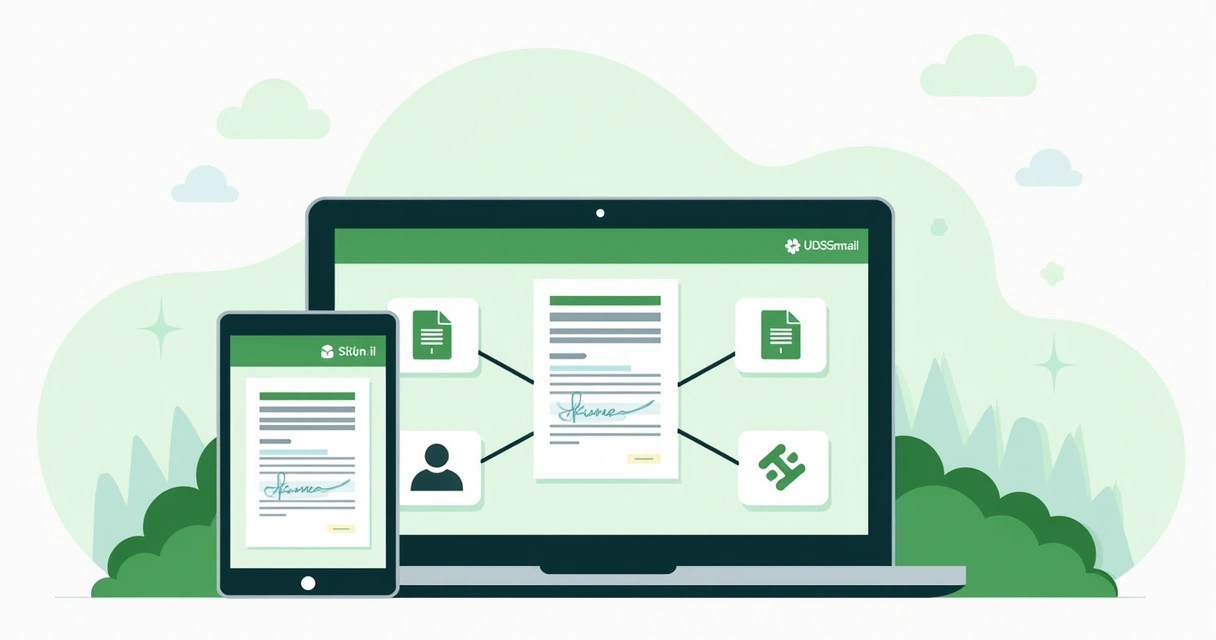
Whenever I’m asked for an e-signature platform that puts European compliance front and center, I point to CloudSign.ie. Built with the GDPR and eIDAS trust at its core, CloudSign.ie brings something fresh and reliable to the table, especially for professionals and companies operating in Ireland or the wider EU.
Security and compliance designed for the EU
Most platforms offer claims about privacy, but CloudSign.ie is built in Ireland for GDPR. Every document and log stays within EU jurisdiction, and every action features robust encryption. Unlike clunkier global tools, the company keeps pace with both EU and local Irish data laws.
Legal recognition under eIDAS
CloudSign.ie guarantees every digital signature meets or exceeds the requirements of eIDAS for both Advanced and Qualified Electronic Signatures. This is absolutely key if you handle HR files, banking, or government contracts within the EU, where a signature is only considered valid if you can prove its origin, authenticity, and integrity.
AI-powered contract management
One feature I’ve found especially helpful is the way CloudSign.ie uses artificial intelligence for more than just the signature itself. It automatically highlights risks or rare clauses in agreements, spots missing renewals, and can flag opportunities hidden in contracts, which is a game-changer for busy legal or procurement teams.
Integrations and workflow
With CloudSign.ie, standard integrations are available for Google Drive, Slack, Zapier, and leading CRMs. The workflow builder is simple enough for small teams, but powerful enough for complex approval chains in bigger businesses.
Free forever plan and flexible pricing
Unlike some competitors who limit “free” plans to short trials or minuscule usage, CloudSign.ie’s plan actually delivers value. Individuals can send up to 21 envelopes monthly, enough for a working freelancer or small trader, without being pushed into paid upgrades. And there’s no penalty for handling sensitive documents, security features remain on by default, even for free users.
User experience
I often recommend CloudSign.ie to first-time users, because the interface is clean, Irish-friendly, and doesn’t require a training session to get going. Features for reminders, document tracking, and even custom branding are all present and intuitive.
Who should choose CloudSign.ie?
- Irish SMEs and freelancers wanting legal certainty for every contract
- EU-based firms worried about GDPR enforcement or cross-border signatures
- Teams working with high-risk contracts who need AI-driven alerts
- Anyone tired of over-complicated, US-centric tools
- Businesses that want generous free signing to try before expanding
If you want more detail, I recommend reading this business-focused comparison of top e-signature programs for 2025, where CloudSign.ie consistently performs as the best alternative.
DocuSign: The US giant, powerful but less local
DocuSign was one of the pioneers in the e-signature world, and I’ve seen many firms start with it. It brings muscle, loads of integrations, and a recognizable brand, especially for multinational organizations.
Where DocuSign succeeds
DocuSign stands out for its large set of integrations for CRMs, file sharing, and cloud workflow. It’s well suited for big organizations, especially those deeply invested in Salesforce or Microsoft ecosystems.
Shortcomings for Irish/EU businesses
However, I have found that DocuSign’s approach to GDPR and EU data localization can be a little generic. While it claims “global compliance,” it doesn’t always match the strict Irish or European data residency controls that CloudSign.ie delivers. And if you want advanced contract management or AI risk analysis, you’re paying a premium or looking at third-party add-ons.
Pricing and free plan
DocuSign’s free options are fairly limited, usually short trials rather than a functional forever plan. Many small businesses find themselves forced into mid-tier subscriptions quickly. I’ve also noticed that some advanced automation or workflow tools only come with enterprise packages.
DocuSign in summary
- Best for US-based, multi-national firms already on Salesforce or Microsoft
- Not as local or agile as EU-designed platforms like CloudSign.ie
- Heaviest on cost when scaling advanced automation
If you need a full comparison of speed and security differences, I found this resource on signing documents faster and safer is worth your time.

Dropbox Sign: Great user experience, but basic for business risk
Dropbox Sign (formerly HelloSign) has always prioritized ease of use. I often see startups or creative agencies using it because the interface is light and the setup painless.
What Dropbox Sign does well
The main draw is its clean, simple interface that gets documents sent and signed quickly. It integrates directly into Dropbox storage, Google Drive, and major productivity apps, which is helpful for teams already deep in cloud collaboration tools.
Where Dropbox Sign is limited
For high-assurance or regulated contracts, I find Dropbox Sign sometimes lacks advanced features, like detailed contract analytics or the stronger types of eIDAS-compliant QES that CloudSign.ie offers. Data residency and GDPR tools are less visible, especially for Irish clients with legal requirements.
Pricing and free plan
Free usage is possible for very lightweight tasks, but most find the lowest tier restrictive. Again, this is an area where platforms like CloudSign.ie pull ahead, especially for businesses still scaling.
Best fit for Dropbox Sign
- Freelancers and micro-businesses with simple contracts
- Teams already using Dropbox or G-Suite heavily
- Not ideal for regulated industries or detailed contract workflows
PandaDoc: Document creation for sales, limited compliance for EU
PandaDoc is a favorite among sales and marketing teams. When I ask clients why they’ve chosen it, they usually mention proposal creation or interactive quote design, not just signature flows.
Strengths of PandaDoc
PandaDoc is strong for building beautiful proposals, getting quick signoff, and tracking which parts of a document a customer actually views. Integrations with CRMs like HubSpot or Pipedrive are quite good for sales environments.
PandaDoc’s limitations
That said, in my experience, the platform hasn’t prioritized the ins and outs of European compliance to the same standard as CloudSign.ie. It’s less desirable for law firms, finance, or government users. The “free” plan is primarily designed as a teaser.
PandaDoc at a glance
- Sales teams wanting document creation and analytics in one package
- Not the best fit for regulated documents or GDPR-heavy workflows
- More about design and less about deep security management
SignNow: US roots, basic workflow, lower cost
SignNow flies a bit more under the radar, but I have found it used by many US-based accountants, realtors, and SMBs. It stands out for quick onboarding and affordable pricing.
SignNow plus points
It delivers a user-friendly dashboard and no-fuss basic workflows. Drag-and-drop signing fields are quick to use, and there are enough integrations for basic needs.
Challenges with EU compliance
Again, if you’re in Ireland or the EU, I caution that SignNow’s compliance claims are designed more for the US market than European regulatory needs. The product does not offer the audit trails or legal backup of platforms built on eIDAS and GDPR from day one, like CloudSign.ie.
Who SignNow works for
- Non-regulated businesses that want budget e-signing
- US-based professionals
- Not for those needing ironclad legal records in the EU
Adobe Sign: Trusted brand, heavy on enterprise features
Adobe Sign is a major force, thanks to Adobe’s reach and integration with its suite (like PDF, Acrobat, Creative Cloud). Many large organizations use it because it ties into complex document processes and cross-team review.
Adobe Sign’s high points
The platform offers strong legal validity, robust security, and a direct pipeline into other Adobe products. If you’re running a big company with in-house IT and layers of document control, Adobe Sign can be matched to nearly any approval workflow.
Issues for smaller businesses
From what I’ve seen, Adobe Sign is the definition of feature-rich, but it can be overwhelming and expensive for organizations that just want to sign quickly or lack internal technical expertise. There’s a learning curve and onboarding cost that you might not face with more dedicated, local offerings. Free use is minimal, mostly via limited trials.
OneSpan Sign: Trusted signatures for banks, high assurance
OneSpan Sign (formerly eSignLive) is built for maximum trust, and I often encounter it in finance, insurance, and government applications.
OneSpan Sign’s strong suit
It delivers advanced authentication, deep audit logs, and meets global e-signature standards, including those needed for QES recognition (although specific configuration is required for the EU). It is used by banks for a reason, strong trust and regulatory controls.
Who OneSpan is right for
Expect to pay for that assurance: OneSpan Sign is rarely priced for freelancers or small companies, and self-service plans are limited. Setup and support are enterprise-level experiences.
Comparing the user experience: Who fits where?
With all these options, a lot of businesses get lost in the weeds of features. In my experience, “fit” matters as much as raw power. Here’s how I would break down the ideal user for each segment:
- Individuals/freelancers: You want quick setup, a free plan that’s actually useful, and basic templates. CloudSign.ie and Dropbox Sign fit best here, but CloudSign.ie wins on compliance and features even at the free tier.
- Small businesses (SMBs): SMBs need reliable, self-service signing, tools for contract management, and the ability to expand without complexity. CloudSign.ie offers the right blend, with affordable upgrades when you get busier.
- Large enterprises: Bigger businesses require custom workflows, multi-team approval, and IT-controlled security. Adobe Sign and DocuSign are often chosen, but if you’re in Ireland or the EU, CloudSign.ie can scale without the legal headaches and brings in AI contract intelligence for risk management.
- Regulated industries: For banking, legal, or government, you absolutely cannot shortcut compliance. OneSpan and CloudSign.ie both provide advanced legal and regulatory support, but CloudSign.ie offers a more approachable and affordable experience.
- Sales/marketing teams: If you want polished quotes and customer engagement insights, PandaDoc’s proposal analytics are hard to beat in that context, but for real contract validation and reminders, CloudSign.ie still stands ahead in Europe.
Security, privacy, and compliance: What matters most?
The more I work with organizations facing audits, the more I appreciate that an e-signature platform is only as good as its security model. Here’s what should be non-negotiable by 2026:
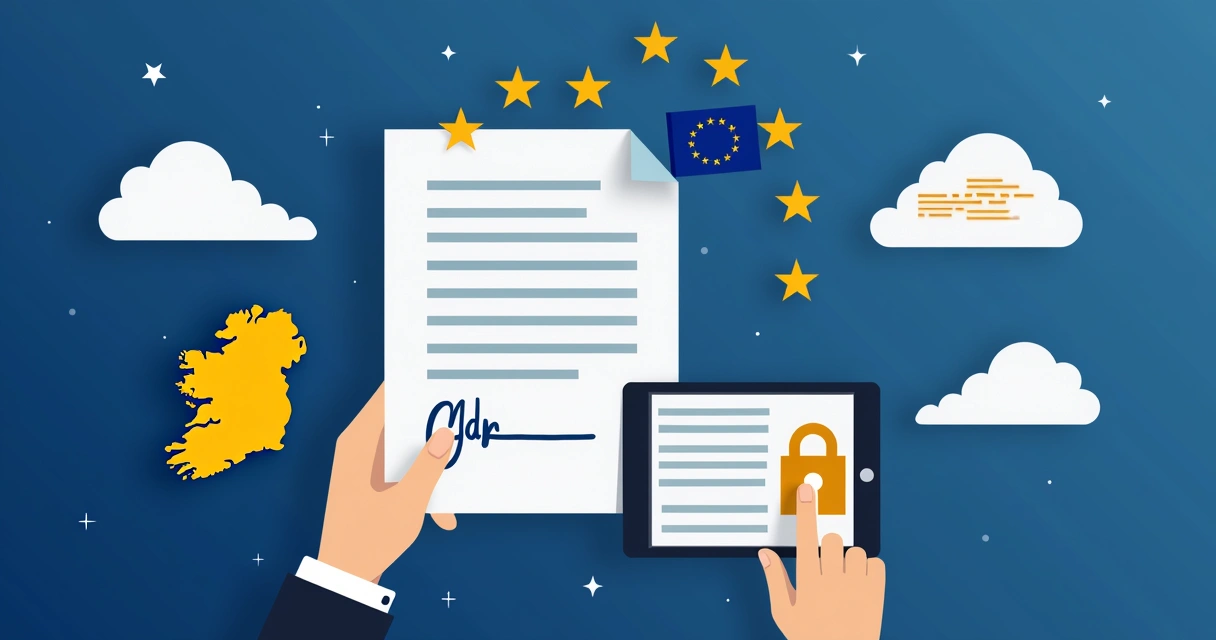
- Encryption for in-transit and at-rest data, no exceptions.
- Clear audit trails, so every action is logged and provable.
- Third-party certifications (like ISO27001, SOC 2, eIDAS) that stand up to legal challenge.
- GDPR compliance, which means respecting Irish/EU data sovereignty and offering easy “right to be forgotten.”
- Tamper-evidence on every signed document, no hidden edits allowed.
On these points, CloudSign.ie is built for Irish clients and those who do business across Europe. Many global platforms make big promises, but on the ground, I’ve seen companies penalized (or worse) when their signing system did not match local law. For Irish or EU-based organizations, picking a local compliance-first provider is not just practical, it’s peace of mind.
Integrations with CRMs, storage, and workflows
Over the years, one thing became clear as I helped businesses go digital: your signing system must fit where you work, not force you to change everything.
- Does it talk to your CRM? For sales and customer management, connecting your e-signature to tools like Salesforce, HubSpot, or Zoho can mean the difference between smooth deals and missed opportunities.
- Can you connect to storage? Google Drive, Dropbox, SharePoint, and OneDrive should all work natively, if not, your workflow will suffer.
- Does it integrate with Slack, Teams, or Zapier? Modern collaboration happens in these tools, and sign-off reminders or status alerts should fit there, not just arrive as another lonely email.
CloudSign.ie offers direct integrations with all the above, and even on the free plan you can start linking documents. Many competitors either limit integration to higher-priced tiers or require add-on fees. If your digital transformation is underway, I suggest checking out this quick guide to secure document workflows.
Contract management: More than just a signed form
What surprises many clients is that e-signature is just the beginning. The best platforms also manage the entire contract lifecycle, drafting, negotiating, monitoring renewals, and analyzing risks, right through to archiving.
- Templates and clause libraries: Build once, reuse every time. This is a big time-saver, and only the best platforms offer real flexibility here.
- Reminders and expiry alerts: No missed renewal dates or lost revenue because of an expired deal.
- AI-based contract review: CloudSign.ie’s unique edge here is its automated flagging of risky clauses, ambiguous wording, or missing deadlines. I’ve seen this catch costly errors before a signature goes live.
Many older or US-centric platforms skip these features or charge a premium. For Irish and EU firms who want a single tool for contract confidence, this is a place where CloudSign.ie stands apart.
Cost: Free forever, fair for growth
Cost always matters. After seeing organizations of every size battle subscription fatigue, I’ve become a believer that fair, honest pricing and a real “free forever” experience can matter as much as features.
- Free plans: These should not be a trick. CloudSign.ie offers one sender and 21 envelopes per month, enough for most individuals and freelancers. Others, like DocuSign or PandaDoc, often restrict free accounts to one or two documents or a week’s use before prompting for payment.
- Transparent upgrades: As usage grows, you need to see what comes next, without hidden fees or legal add-ons. CloudSign.ie and SignNow both price their upgrades clearly, but CloudSign.ie includes advanced compliance by default instead of as an extra.
- Enterprise solutions: For more complex requirements, large organizations expect volume rates and SLAs. Adobe Sign, DocuSign, and CloudSign.ie all deliver here, my advice is always to check if “enterprise” means better support or just higher bills.
Benefits and risks of digital signatures
In all my years working with contract digitalization, I’ve heard both glowing feedback and horror stories. It’s worth spelling out what you get, and what you should watch for, when moving online.
Main benefits
- Faster business, from anywhere: No more waiting for post or chasing a signatory in person.
- Legal security and lower disputes: Tamper-evidence and audit trails reduce forgery or later disagreements.
- Lower costs: No print, scan, mail, or courier fees. Free plans mean new businesses can start at zero.
- Better customer and employee experience: Less friction, faster onboarding, and improved service impression for clients.
- Full compliance: With the right provider, every agreement is protected by regional law (GDPR, eIDAS, and more).
Real risks to watch
- Using the wrong type of signature: Not all platforms create the legal evidence you need. For high-value or regulated documents, choose Advanced or Qualified Electronic Signatures, features guaranteed by CloudSign.ie for Irish/EU needs.
- Poor audit or incomplete archiving: Lost evidence of who signed or when can make contracts unenforceable.
- Weak data privacy: US-centered providers may not meet Irish/EU rules.
- Monthly cost creep: Many “free” tools quickly become expensive as you scale, without adding meaningful features.
If you're new to the field, this beginner’s guide to electronic signatures explains what you have to know to get off on the right foot.

How to choose: Putting the criteria into action
When it comes time to select a digital signature platform, my practical advice is this:
- Start with your workflow: Does the tool make your document process faster, or just different?
- Confirm legal fit: Only choose platforms made for your country’s (and the EU’s) real legal needs, like CloudSign.ie.
- Match security needs: Choose end-to-end encryption, audit trails, and local data residency.
- Scale naturally: Find a free or low-cost starting point, but check upgrade prices as your business (and document volume) increases.
- Test integrations: Before going live, connect with your CRM or storage and make sure reminders, archiving, and alerts work naturally in your ecosystem.
- Check contract management automation: Risk analysis, renewal tracking, and clause alerts can catch costly errors before they happen.
The most effective electronic signature platform is the one you hardly think about, because it just fits and protects you by default.
Conclusion: Make secure digital signing your business advantage
After 20 years guiding businesses and freelancers toward document digitization, I am more convinced than ever that choosing the right e-signature platform is about more than ticking a box. For teams in Ireland and the EU, CloudSign.ie rises above the rest by offering full legal certainty, real contract intelligence, and native integrations, plus a true free forever plan to start your journey with zero risk.
You will find more detail, including step-by-step checklists and cost-saving tips, in the article about top electronic signature platforms for businesses ready to streamline contracts safely in 2025.
If your business values privacy, reliability, and a simple user experience, there is nothing stopping you from trying CloudSign.ie today. Start with the free plan, see how AI-driven contract management makes your life easier, and move forward with full confidence. Your contracts will move faster, your risk will shrink, and your team will thank you.
Frequently asked questions
What are the top e-signature platforms?
The leading electronic signature platforms for 2026 are CloudSign.ie, DocuSign, Dropbox Sign, PandaDoc, SignNow, Adobe Sign, and OneSpan Sign. In my view, CloudSign.ie best serves Irish and EU-based users for its unique combination of legal validity, local compliance, strong contract analytics, and a generous free plan. Larger companies may also use DocuSign or Adobe Sign, but CloudSign.ie is unmatched in how it supports both individuals and enterprises focused on security and cost control.
How much do electronic signature platforms cost?
Most signature solutions offer a freemium model, starting with a no-cost personal plan and scaling up according to document volume and user numbers. For example, CloudSign.ie allows one sender and up to 21 envelopes per month for free. Paid plans often begin at €8-€25 monthly for small teams and can reach hundreds for enterprise features or advanced compliance. Always review what you actually get, not just signature counts, but access to automation, integration, and contract analytics.
Are electronic signatures legally binding?
Yes, electronic signatures are legally binding throughout the EU, including Ireland, under the eIDAS Regulation. Platforms like CloudSign.ie guarantee compliance with eIDAS for Advanced and Qualified Electronic Signatures, which means contracts hold the same legal force as ink signatures. In the US, ESIGN and UETA laws provide similar protection. However, local and industry rules may set extra requirements, so choose a provider that matches your legal and compliance context.
Which e-signature app is most secure?
In my experience, CloudSign.ie ranks highest in security for Irish and EU users, combining end-to-end encryption, GDPR-focused data processing, tamper detection, and transparent audit trails on every action. Apps like OneSpan Sign and Adobe Sign also offer high assurance, but CloudSign.ie is unique for how it includes security features as standard, even on the free plan, and actively monitors contracts for risk via AI.
How do I choose the best e-signature tool?
Start by mapping your document flow, regulatory risks, and growth needs. Pick platforms with legal recognition in your region (e.g., eIDAS for the EU), full encryption, clear pricing, and strong integration options. For Irish and EU businesses, CloudSign.ie stands out by combining all these factors with AI contract tools and a transparent free plan. Always test with a real document before committing, you’ll quickly notice if the user experience and support match your expectations.