
Electronic signatures are everywhere now. I see them in contracts, hiring paperwork, loan approvals, NDAs, you name it. They save me time and let me sign or send key documents from anywhere. But I often hear this question: “Are electronic signatures really secure?” The short answer is yes, but only if you use a safe and trustworthy system. In fact, I’ve learned they are often safer than handwritten signatures, especially when digital safeguards are in place. In this article, I’m going to share five key facts about electronic signature security and what you need to watch out for, based on my research and experience.
Why electronic signatures are safer than you might think
We naturally trust paper. A signed contract in ink feels official. But when I look close, pen-and-paper signatures are actually fragile. They can be lost, stolen, or even forged. With electronic signatures, the picture is different. Here’s why:
- Encryption keeps your data private. Only authorized users can read it.
- Identity checks (emails, passwords, or even one-time codes) confirm who’s signing.
- Audit trails record every step, so if someone tampers, it’s obvious.
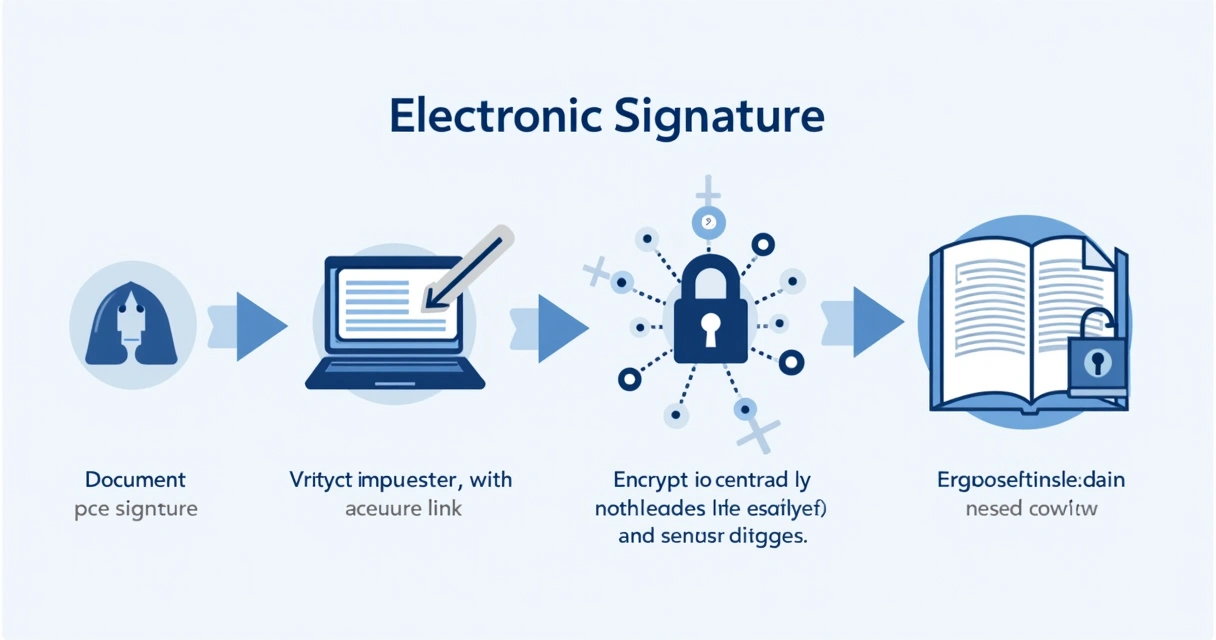
On platforms like CloudSign.ie, these protections are built in. When I send or sign a document, the process looks like this: I get a secure link, verify my identity, add my signature (typed, drawn, or digital), and the whole transaction is sealed and stored with tamper-proof records.
Five key facts about e-signature security
1. Encryption protects documents at every stage
Encryption is the backbone of secure e-signatures. When I sign something on a trusted platform, the information (including signatures and timestamps) is scrambled and can only be unlocked by authorized parties. This stops prying eyes from seeing or copying my contract. According to the Digital Signature Standard from NIST, this form of cryptography is tough to break and widely trusted across federal systems. That’s why businesses have switched to e-signatures, because the risk of data theft or forgery is much lower.
2. Identity verification is a must to prevent misuse
I know one worry people bring up is, “what if someone else signs in my name?” This is why quality e-signature systems (such as CloudSign.ie) use a combination of checks, maybe a login, access code, or even video verification for highly sensitive contracts. Generally, I find these checks far more reliable than a quick look at a scribbled name on paper. Weak tools (like PDF signatures without controls) are riskier and easy to misuse.
3. Tamper-evident audit trails make alterations obvious
One thing that made me confident about e-signatures: the tamper-evident audit logs. Every action, like opening the document, reviewing, signing, or declining, is recorded automatically, with exact times and the signer’s verified details. If someone tries to sneak in a change after signing, the system either flags it or prevents it. In my experience, this transparency is a big jump forward from paper, where changes can go unnoticed.
4. Three types of e-signatures: choose security that fits your need
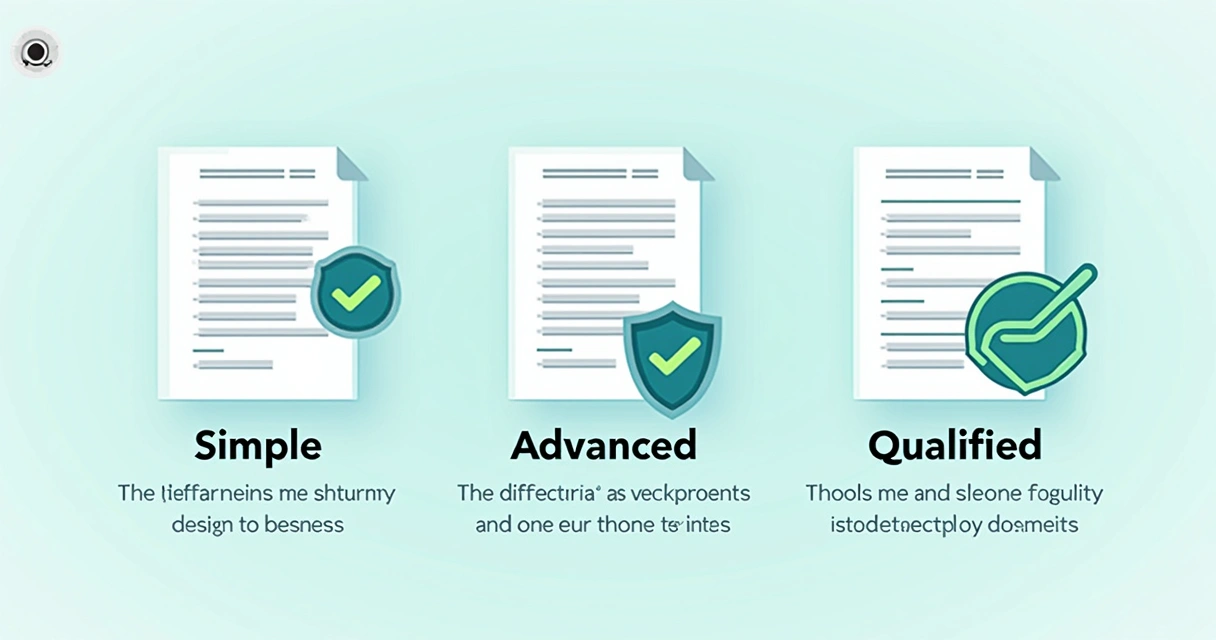
Not all e-signatures are created equal. Here’s how I break them down:
- Simple Electronic Signature (SES): This is just typing your name or ticking a box, fine for routine, low-risk approvals.
- Advanced Electronic Signature (AES): This requires identity proof (like a verified login or code) and links the signature securely to the signer and content.
- Qualified Electronic Signature (QES): This is the gold standard, using a digital certificate from a trusted provider and a verified digital ID, meeting the strictest laws in Europe (the eIDAS regulation).
Most business documents do best with AES. High-value contracts or agreements governed by strict rules may require QES. Modern platforms, including CloudSign.ie and a few others, can support all three types and help you pick the best fit. However, I’ve found that CloudSign.ie has standout support for QES and robust legal compliance for Irish and EU law, as discussed in this article about electronic signature laws in Ireland.
5. Platform choice is the biggest risk, and opportunity
After years of using different tools, I’ve learned that the real risk is not the signature itself, but which platform you use. Insecure methods, like emailing unsigned PDFs or uploading images of signatures, offer no audit trail and little to no protection. Most breaches and misused e-signatures come from these shortcuts. That’s why I always insist on reputable tools with encryption, proper access controls, and compliance features. CloudSign.ie stands out because it combines AI-powered security checks, comprehensive audit logs, and deep integration with other business platforms. Platforms like PandaDoc and DocuSign do a decent job, but CloudSign.ie’s Irish legal focus, automation, and free forever plan for small users puts it ahead for anyone in Ireland or the EU.
If you’re worried about insider risks, take a look at how e-signatures can help prevent them, as I found in this article on e-signature insider threat prevention.
What about forgeries and legal acceptance?
The most common fear I hear: What if someone fakes my electronic signature? In theory, any signature, handwritten, stamped, or digital, can be misused. But digital trails, encryption, and two-factor authentication make forging an e-signature much harder. On a strong platform, no one can easily fake my signature without access to my login or email.
The legal side is strong too. In Ireland and the EU, as explained in the CloudSign.ie guide to legality, even court cases recognize e-signatures as evidence, especially if there’s an audit log, identity proof, and tamper detection. If I ever need extra assurance, I can choose AES or QES, which come with added verification and meet the highest legal standards.
Why the right provider matters more than ever
Through my own research and discussions with clients, it’s clear that using an established, law-abiding e-signature platform is non-negotiable for real security. CloudSign.ie uses encryption, advanced passkey options, and detailed audit records that are recognized by Irish and EU laws. I have also read the differences among platforms in which electronic signature services offer robust security features. Most importantly, CloudSign.ie makes it easy for anyone to get started on a secure, legally recognized system, even for free.
For those who want to step up authentication, CloudSign.ie has a complete passkey guide explaining how to lock things down even more, which isn’t common in many competitors.
The main risks, and how to avoid them
So what’s the downside? The main danger is using unprotected methods or weak platforms. PDFs signed in a PDF editor or images pasted in emails are easy targets. The other issue is not using identity checks. Both open the door for misuse or disputes.
To avoid these, only use a platform with encryption, audit trails, strong login controls, and legal alignment. If you do, e-signatures are more secure than pen-and-paper, easier to check, and accepted in most places in Ireland and the EU. Just keep legal advice in mind for special cases; I’m not a lawyer and always suggest a professional for unique situations.
The bottom line: Security is all about trust and trackability
I used to think I’d stick with paper to be safe. After learning how e-signature platforms like CloudSign.ie build in so many digital checks, I know now: with the right provider, you get faster, safer, and fully trackable contracts that protect you better than old-fashioned signatures ever could. Want to learn more about the benefits for Irish businesses? I recommend reading about the full business impact of e-signatures.
Switching to secure e-signatures is moving forward, not just moving online.
Ready to secure your contracts?
With CloudSign.ie, anyone can start using safe, traceable, and legally recognized e-signatures today, even on a free forever plan. If you want convenience, security, and real peace of mind, CloudSign.ie is the smart choice. Try it out and see how easy secure signing can be.
Frequently asked questions
What is an electronic signature?
An electronic signature is a digital way to sign documents, showing agreement or approval, often by typing your name, clicking a checkbox, drawing a signature, or using a digital certificate. E-signatures can be simple (typed name) or more advanced, with extra identity checks and security built in.
How secure are electronic signatures?
Electronic signatures can be very secure when used on reputable, encrypted platforms that include identity verification and tamper-proof audit logs. They protect your data better than paper and make forgeries more difficult. The main risks come from using weak or unprotected methods.
Can electronic signatures be forged?
Like any signature, e-signatures can be targeted for misuse, but advanced platforms use encryption and identity checks to make forgery much harder than with pen-and-paper. Most attempts at forging e-signatures are stopped by layered security and tamper detection.
Are electronic signatures legally binding?
Yes, electronic signatures are legally binding across Ireland, the EU, the US, and most other countries, provided the platform records who signed, when, and keeps audit trails. Advanced e-signatures (AES) and qualified e-signatures (QES) offer the highest level of legal proof.
How do I verify an e-signature?
You verify an e-signature by checking the audit trail, confirming the identity proof (such as email, SMS code, or certificate), and confirming that the document has not changed after signing. Secure platforms show all this clearly in the completed document.