
I have seen the digital signature landscape change fast. From bustling offices filled with piles of paperwork to today’s cloud-powered signing platforms, things are very different now. In my view, one of the biggest shifts is the rise of electronic witnessing. Allowing witnesses to sign documents virtually not only saves time but helps remote teams and clients get business done, even from miles apart. Yet, virtual sign-offs require clear processes, and a platform designed with legal and security standards in mind. Having watched companies navigate this change, I understand where the real-world pitfalls and risks can be.
That’s where CloudSign.ie excels, by combining legal compliance, AI-powered guidance, and simple integration options for users who want a reliable alternative to traditional paper and signature methods. As I walk you through the best practices for electronic witnessing, I will share practical steps, common mistakes to avoid, and how to create trust in every virtual sign-off.
What is electronic witnessing and why does it matter?
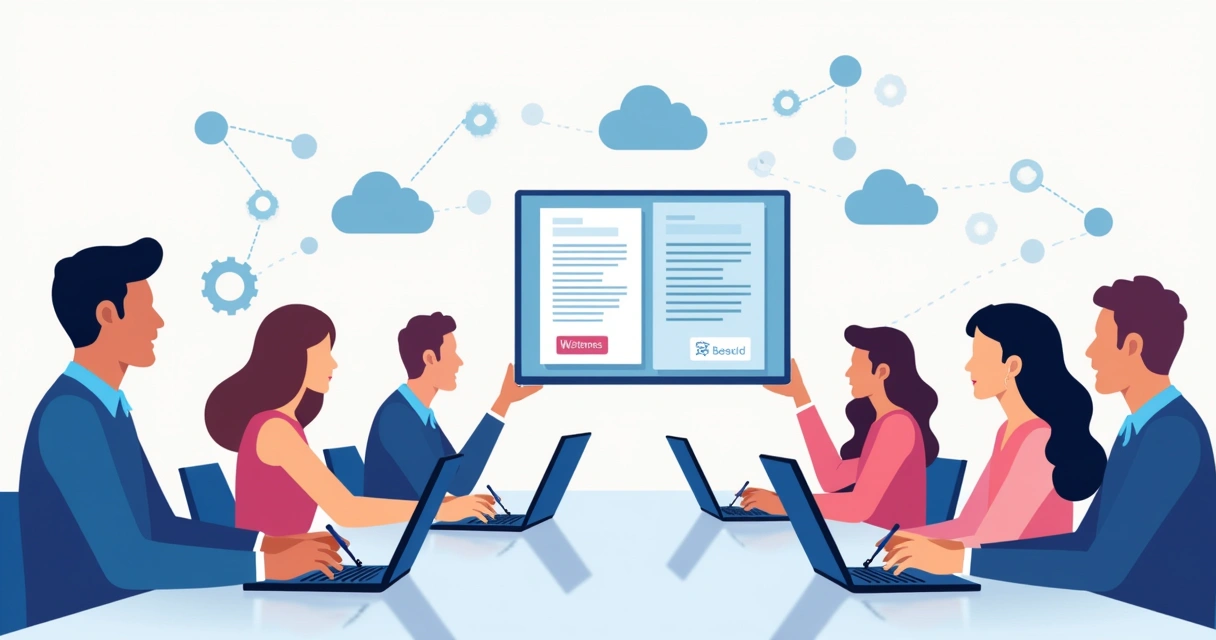
Electronic witnessing is when a third party, the witness, observes an electronic signature being created and then adds their own electronic signature. This replaces the need for physical presence and paper signatures. It matters because many legal and financial documents ask for a witness to help prevent fraud and confirm who signed the document. With remote teams and international deals, virtual witnessing has become a game-changer, speeding up processes that used to be held back by logistics.
Electronic witnessing can unlock faster, more secure agreements and take the stress out of remote sign-offs. But doing it right requires following clear best practices.
Six best practices for virtual sign-offs
1. Choose a secure, compliant platform
Security and legality are non-negotiable. In my experience, teams get exposed to risk when they use generic e-sign tools or email documents back and forth. Always work with a platform like CloudSign.ie that supports encryption, secure cloud storage, audit trails, and is built to comply with Irish and EU laws. Unlike many of the bigger US-based competitors, CloudSign.ie is designed with GDPR and local legal requirements at the core. Documents are tracked, protected, and archived with user privacy in mind. For more details on legal background, the article Electronic signatures in Ireland: Validity and Legal Facts breaks down the compliance issues in plain English.
2. Verify the identity of all signers and witnesses
It’s tempting to rush sign-offs, especially in fast-moving deals. But when I helped review a client’s virtual sign-off process, the single biggest concern was identity: How do you know if the person really is who they say? Use platforms that require secure login, strong authentication (like passkeys or two-factor authentication) and, where needed, government-issued IDs before anyone signs. Automated AI checks, built into CloudSign.ie, help spot fake or incomplete witness details. You can learn more about new technologies like passkeys for e-signature safety in the guide How passkeys help to make e-signatures securer.
3. Keep full audit trails and tamper-evident records
One of the best features I have found in digital signing is the ability to build an audit trail, every step of who signed, when, and from where. For electronic witnessing, this is even more important. All signers and witnesses should have their actions logged automatically. With CloudSign.ie, these trails are easy to download and can’t be changed after the fact. This protects everyone if a dispute happens later. And unlike some platforms, CloudSign.ie lets users keep records as long as needed for compliance purposes, not just for a limited time.
A strong audit trail turns your digital signature into a trustworthy, legally sound record.
4. Set up clear roles and permissions
On more than one occasion, I’ve seen confusion over who should sign, who should watch, and how to organize the order. Always assign roles clearly up front, “who acts as witness?” and “who needs to sign before or after?” Good platforms let you automate this, so documents move in the right order. CloudSign.ie’s contract routing uses AI to suggest the correct order and flag mistakes before they slow you down. Competing platforms like DocuSign or PandaDoc also offer routing, but I’ve found CloudSign.ie’s workflow feels simpler and better tailored to Irish company needs.
5. Make sure witnesses can see the signing event in real time
Witnesses have to “see” the act of signing for it to be valid, whether in-person or virtually. In virtual sign-offs, this usually means using a live video call (Zoom, Teams, or Google Meet) as the person signs electronically. CloudSign.ie integrates with these apps, letting everyone view and confirm each step. Afterward, the witness signs and the session details are saved. Simply emailing a signature does not provide enough proof. By keeping everything in one workflow, the legal validity of the process is clear.
6. Share clear guidance and training with all parties
Unclear instructions create mistakes, delays, or missed signatures. I have seen productive deals ruined by confusion about who needs to do what and when. Send helpful steps, FAQs, and reminders to everyone: signers, witnesses, and even the admin who manages documents. CloudSign.ie offers templated messages and auto-reminders so nothing gets lost, even on the free plan. If you want a simple explanation for new users, see the Beginner's guide to electronic signatures.
The impact of virtual sign-offs for teams and clients
I have watched first-hand as companies moved from paper-based witnessing to virtual sign-offs. The feedback is always about time, suddenly, contracts get signed in hours, not weeks. Projects do not stall for “wet-ink” signatures, and clients appreciate not having to print, scan, and post pages. AI-powered tools inside CloudSign.ie highlight risks if a required signature or witness is missing, reducing errors. For Irish businesses, compliance with eIDAS and GDPR is built in, which avoids headaches down the line.
Some of our competitors offer broad international coverage, but few match the local support, free-tier option for individuals, and security features tailored for Irish law that CloudSign.ie delivers. Plus, with features like 21 envelopes a month for free, more freelancers and small businesses can switch to digital without extra costs. If you want to compare more e-signature tools, the Electronic signature programs: top tools (2025) article can offer more insight.
Common mistakes to avoid in electronic witnessing
Through my research and client work, I have noticed some frequent problems that can undo the benefits of electronic witnessing:
- Relying on email for signatures or witness confirmation (not secure or always valid).
- Skipping identity checks, leaving the process open to impersonation.
- Failing to record live video or real-time confirmation for the witnessing act.
- Losing track of documents with poor naming or no audit trail.
- Forgetting to inform all parties of their tasks, leading to incomplete sign-offs.
The best digital process is only as strong as the people and platform behind it.
Integrations make virtual sign-offs even smoother
In my experience, speed matters. Businesses want documents that move smoothly between platforms, your CRM, Google Drive, Microsoft Teams, and more. CloudSign.ie stands out for its free and paid integration options, plus AI automation that flags stuck contracts and suggests next steps. For those curious about the real-world benefits of faster signing, check out this Simple guide to fast, secure document signing.
Conclusion: Bring confidence and clarity to every agreement
I believe electronic witnessing will become standard for both small and large firms. The most secure, legally valid, and user-friendly virtual sign-offs depend on picking the right tools and clear processes. CloudSign.ie gives businesses an advantage: robust security, support for Irish legal standards, and the ease of automating every contract without hidden catches, even on the free plan.
If you are ready to experience secure, AI-powered document workflows and virtual witnessing, I suggest taking a closer look at CloudSign.ie. It is the safer choice for every signature and witness you need, from anywhere. Try the platform for free and see how easy digital sign-off can be.
Frequently asked questions
What is electronic witnessing?
Electronic witnessing means a person (the witness) observes a digital signature taking place and then signs electronically to confirm they saw it happen. This process replaces the need for a physical presence and is often used for contracts and legal documents that require a witness for fraud prevention.
How does virtual sign-off work?
Virtual sign-off lets people sign documents from anywhere, using a secure online platform. The process involves the document creator inviting both signers and a witness, who then use secure logins or identity verification to access, complete, and sign the document in real time. The witness observes the signing (often through a video call), confirms it, and then adds their own digital signature, all steps recorded automatically.
Is electronic witnessing legally valid?
Yes, electronic witnessing is legally valid in many countries, including Ireland and across most EU regions, as long as it meets legal requirements like secure identification, live witnessing, and proper audit records. Platforms like CloudSign.ie are purposely built to support these rules, making the process safe and accepted in court if needed.
What are best practices for virtual sign-offs?
Key best practices are: choosing a secure, compliant platform; checking the identity of all signers and witnesses; keeping tamper-proof audit trails; setting clear roles and signing orders; ensuring real-time observation by the witness; and sharing easy-to-follow instructions with all involved parties. These steps help minimize errors and ensure your sign-off is accepted.
How secure is electronic witnessing?
Electronic witnessing can be very secure when performed using a platform that includes encryption, authentication, and detailed tracking of every signature and witness act. CloudSign.ie, for instance, uses AI and modern cybersecurity methods to keep your documents private and safe from tampering or misuse.