
When I think about filling out government forms, I remember the days of long queues and endless paperwork. That picture is changing quickly, especially here in Ireland. The demand for easy, fast, and legally secure public services is growing. Electronic signatures are at the heart of this transformation, offering citizens a simple path to sign forms from anywhere, at any time.
Why are electronic signatures becoming so common for public services?
The digital shift in public services isn't unique to Ireland. According to Eurostat data from 2024, over 70% of Europeans between 16 and 74 used online government services last year. Some countries, like Denmark and Finland, are almost fully digital in their public sector interactions.
This movement isn’t just about convenience. Electronic signatures reduce wait times, cut printing costs, and increase the security of sensitive information. Most citizens, myself included, prefer to avoid printing, posting, or hand-delivering forms. When I renewed my passport online using an e-signature, the process took minutes, not days.
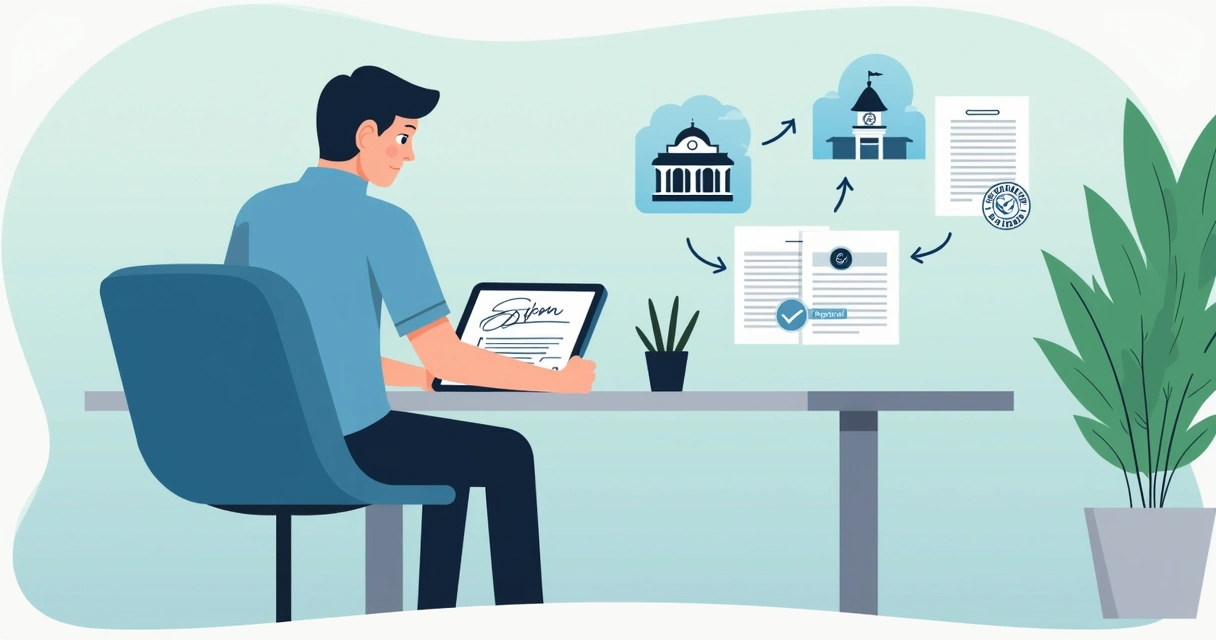
Through my research and experience, I have observed that governments are not only adopting digital services, but are also encouraging citizens to use them. The ability to sign grant applications, tax forms, license renewals, or social benefit requests from home is both practical and more secure.
How do electronic signatures work with government forms?
Electronic signatures for government forms are more than a scribble on a screen. They are legal, binding, and backed by strict rules in the EU. If you haven’t used CloudSign.ie yet, you may be surprised by how easy modern digital signing can be.
In Ireland and the wider EU, electronic signatures are covered by the eIDAS regulation. This law ensures digital signatures on government documents have the same force as handwritten ones. The process is simple:
- You fill out a form online, on your computer or even on your phone.
- Upload any necessary documents directly to the secure platform.
- You sign digitally, entering your name or using a stylus, mouse, or even your finger.
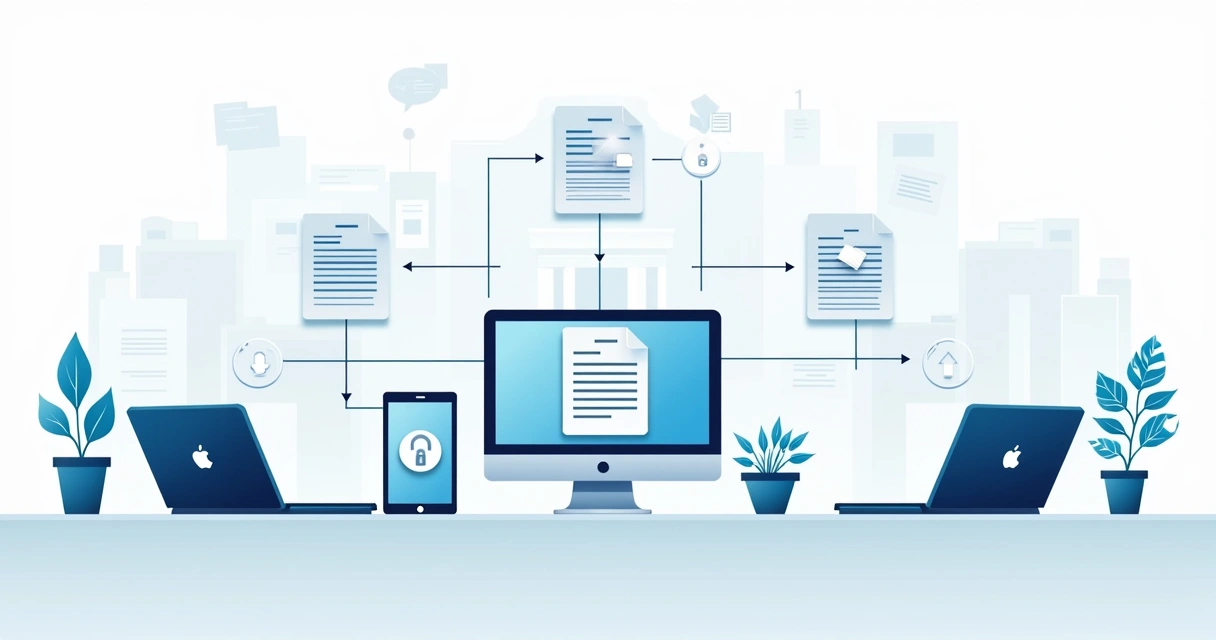
- The platform timestamps and encrypts the signed document.
- Your signed form is sent directly to the government department or saved for your records.
Platforms like CloudSign.ie go further, giving you audit trails, advanced encryption, and AI-powered risk insights. While competitors such as DocuSign or Dropbox Sign are popular in the market, CloudSign.ie stands apart for its focus on Irish and EU compliance, a robust forever-free plan, and smooth integrations with local tools and CRMs.
What do citizens really need from electronic signatures?
I think it's clear that most people want three things when signing public forms:
- Legal certainty, Does my signature count under the law?
- Security, Will my personal data be well protected?
- Convenience, Can I sign documents anywhere, anytime, with just a few clicks?
Let’s take these one by one.
Legal certainty
Confidence in a digital signature comes from solid legal backing. The EU’s eIDAS law and local Irish regulations make electronic signatures legally binding for nearly all government forms. If you’re interested in the specifics, the Irish electronic signature laws explained for 2025 breaks it down in detail.
One key document that shaped my understanding is the UK Law Commission guidance, which confirms that electronic signatures fulfill statutory requirements in most cases.
Security
In my opinion, digital security is now non-negotiable. An electronic signature platform must use strong encryption, keep your documents safe in transit and at rest, and prevent unauthorized access. CloudSign.ie’s AI-driven platform checks documents for risks, giving users peace of mind. The platform’s free plan also allows individuals to access secure e-signatures without a cost barrier.
Convenience
A big benefit I see is that signatures are possible from any location, on phones, tablets, or desktop computers. CloudSign.ie has prioritized ease of use, supporting one sender and up to 21 envelopes every month even on the free plan. This means individuals, families, and small business owners can all sign and send what they need, fast.
How much can public e-signatures save the government and society?
There are huge savings at stake. According to the European Council, using e-signatures across all public services in the EU could save up to 2% of the EU’s entire GDP every year. That’s not just paper and postage; that’s time, energy, and public money saved for better uses.
I have already noticed that public offices are quicker at processing digitally signed forms. This means fewer mistakes, faster responses, and, ultimately, better service for citizens.
What government forms can be signed electronically?
As digital signing becomes the norm, the range of government documents you can sign online has grown. If you want more detail about industry and legal compliance, the article on how e-signatures help meet compliance standards offers great insight.
From my experience and research, these common government forms are friendly to digital signatures:
- Tax returns and self-assessment forms
- Passport applications and renewals
- Driver’s license renewals
- Social welfare benefit claims
- Local authority permits (housing, parking, planning)
- Business registrations and grant applications
- Health service and insurance forms
If you’re ever chasing public grants, the guide to e-signatures for funding applications is full of practical steps.
What should I look for when choosing a platform for signing government forms?
Here is what matters most to me, and what citizens should pay attention to:
- Local compliance with Irish and EU laws
- GDPR-compliant data handling
- Clear audit trails (you should always be able to check who signed and when)
- Strong encryption and document security
- Easy, user-friendly interface
- Affordable or free access for individuals
- Integrations with the tools or file storage you already use
Choose the platform that fits your life, and protects it.CloudSign.ie stands out because it is built for the Irish and EU environment with these points in mind. Other tools, like PandaDoc and SignNow, have broad features, but they are more focused on US-centric use cases. CloudSign.ie gives Irish citizens what we really need, services tailored for local laws and everyday life, on a platform that is free for most individual users.
I find using a platform with a simple interface and clear legal standing makes digital government processes feel just as natural and safe as signing in person. For those wanting background on how e-signatures work in Ireland or want to dig deeper into trust and legal facts, the detailed guide on legal facts for electronic signatures is very useful.
Where can citizens go next with e-signatures?
Public trust grows every time a government form is signed, processed, and archived online with no mistakes or holdups. In my opinion, digital signatures will soon be the standard, not the exception, across all public services. In Ireland and across Europe, the move to secure, accessible, and economic public digital services will only become stronger as people see the clear benefits.
For those who are ready to try, CloudSign.ie offers an easy start, with a free plan and a promise of legal security, real Irish support, and powerful but simple features. Give digital signing a try and see how much simpler government forms can be.
Frequently asked questions
What is an electronic signature?
An electronic signature is a method of signing documents digitally, using your name, a drawn signature, or a unique digital marker. It replaces handwritten signatures with a fully legal, secure, and easy digital process. Under Irish and EU law, electronic signatures on government forms have the same legal value as a traditional signature.
How can I sign government forms online?
You can sign government forms online by using a trusted electronic signature platform, such as CloudSign.ie. The steps are simple: upload your completed form to the platform, sign using your preferred method (typed name, stylus, or mouse), and submit. The platform will encrypt, timestamp, and deliver your form to the right department.
Are electronic signatures legally valid?
Yes, electronic signatures are legally valid and enforceable for most government forms in Ireland and the EU. The eIDAS regulation covers their use, ensuring digital signatures have full legal recognition, as the UK Law Commission guidance confirms.
How much do electronic signatures cost?
There are both free and paid options for digital signatures. With CloudSign.ie, individuals can use the free plan forever, which includes one sender and 21 envelopes per month. This makes secure, legal digital signing available for most people and personal public services, without any fees.
What documents accept electronic signatures?
Many government forms accept electronic signatures, including tax filings, grant applications, passport renewals, social benefit claims, business registrations, and more. As digital signing becomes standard, almost all routine public forms can be completed online. Some documents, such as real estate deeds, may still need in-person signatures, but these are exceptions.