
When someone first asked me about using an electronic signature for a business contract in Ireland back in 2020, I remember thinking, “Can a simple click or drawing on a screen really count as a signature?” Today, a few short years later, electronic signatures have moved from curiosity to normal business practice. In 2025, understanding how the laws work really matters – not just in theory, but in those everyday moments where a deal, a tax filing, or an employment contract gets signed with a tap or a swipe.
What is an electronic signature in Ireland?
An electronic signature is any electronic form attached to or logically associated with other electronic data and used by someone to sign.That could be typing your name, signing with your finger on a tablet, or clicking a dedicated button. In Ireland, as in all EU countries, these signatures are not new or “experimental”, they are legal and mainstream, with most organisations using some form in their daily work.
The legal backbone for this is the eIDAS Regulation (Electronic Identification, Authentication and Trust Services), which has covered electronic signatures across the EU (including Ireland) since July 2016.
The three types of e-signature and what they mean
When I first looked into e-signature laws, I found it confusing that not all e-signatures are the same. Under eIDAS, there are three main types, each with its own legal weight and use cases:
- Simple electronic signature (SES): This is the broadest category. It covers anything from a scanned written signature to ticking an acceptance box or entering a PIN. It’s used for routine agreements, internal approvals, and most day-to-day business.
- Advanced electronic signature (AES): This is a step above simple signatures. It must be uniquely linked to the signer, allow identification, and be created with electronic signature creation data the signer controls. It also detects any change after signing.
- Qualified electronic signature (QES): This is a special kind, created using a qualified signature creation device and based on a qualified digital certificate. EU and Irish law state this has the same legal effect as a handwritten signature.
Each type has its place, and understanding which fits your need saves legal trouble later. I find that most people still lump them together, but they’re really quite different under the law.
How Irish law treats electronic signatures
Irish law, thanks to eIDAS and local adaptation, gives electronic signatures broad legal recognition. As long as you can prove who signed and that the signature hasn’t been tampered with, your document will be legally valid.
That said, not every scenario is covered. In my research and conversations with legal professionals, I came across business owners surprised to learn that some documents still require handwritten signatures in Ireland, for example:
- Wills and codicils
- Property transfers (certain deeds)
- Specific court documents
For nearly all regular business transactions, though, electronic signatures are both legal and reliable, as long as you follow best practices.If you want to see this spelled out in more detail, there’s a helpful guide in the CloudSign.ie article on electronic signatures in Ireland and their validity.
Public services and digital signatures: Statistics and reality
If you think e-signatures are only for business, the numbers say otherwise. According to the Central Statistics Office (2024), digital public service use in Ireland just keeps growing every year. Recently, more than four out of ten internet users accessed public information or dealt with taxes online. Often, these tasks require you to apply a digital or electronic signature.
The 2025 Special Eurobarometer on the Digital Decade found that 77% of Irish people say digitalisation (including e-signatures) makes their lives easier, a sign that these tools help both at work and with routine public services.
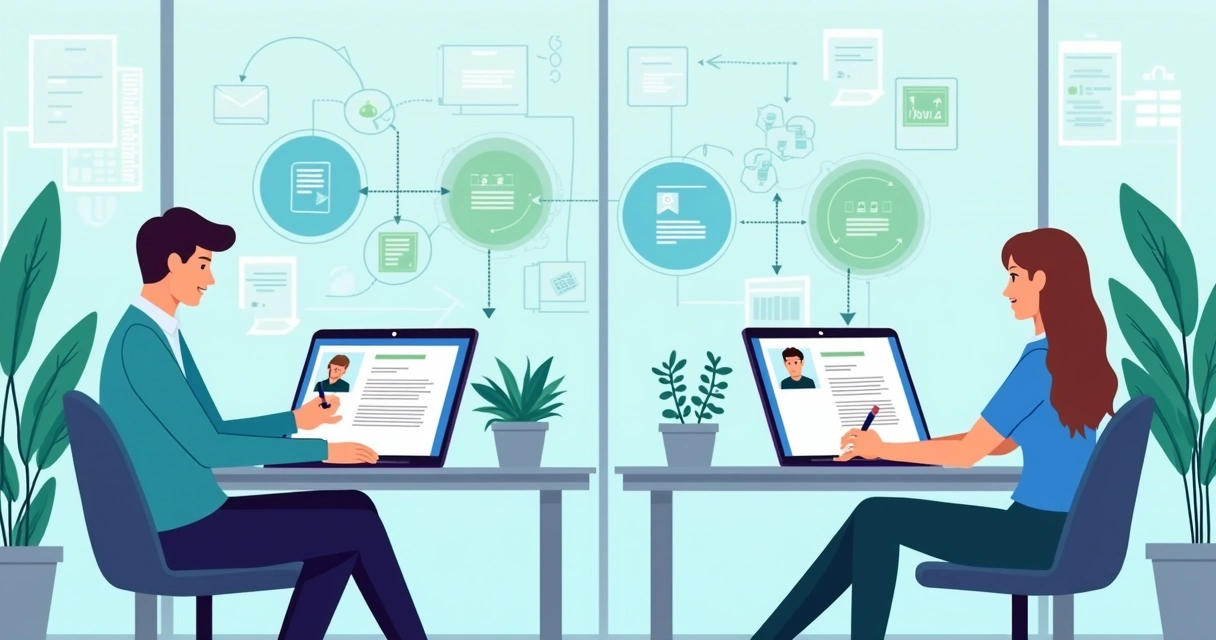
Irish e-government leads in adoption too: the 2023 European Commission report puts Ireland’s e-government use at 88%, well above the EU average. My clients often tell me they prefer these digital systems, especially now that they’re proven, secure, and increasingly simple to use.
The security factor: Why “how” matters as much as “what”
In conversations with business managers, one of the biggest worries is security, rightly so. A handwritten squiggle on paper feels real and permanent. So, how do e-signatures compare?
- Simple e-signatures are fine for low-risk agreements, but low-security methods (like just typing your name) can be disputed.
- Advanced and qualified signatures add security by linking the identity of the signer and protecting against changes to the document after signing.
- Only qualified electronic signatures, created with a secure device and a special certificate, are given the same legal status as ink-on-paper in every EU country.
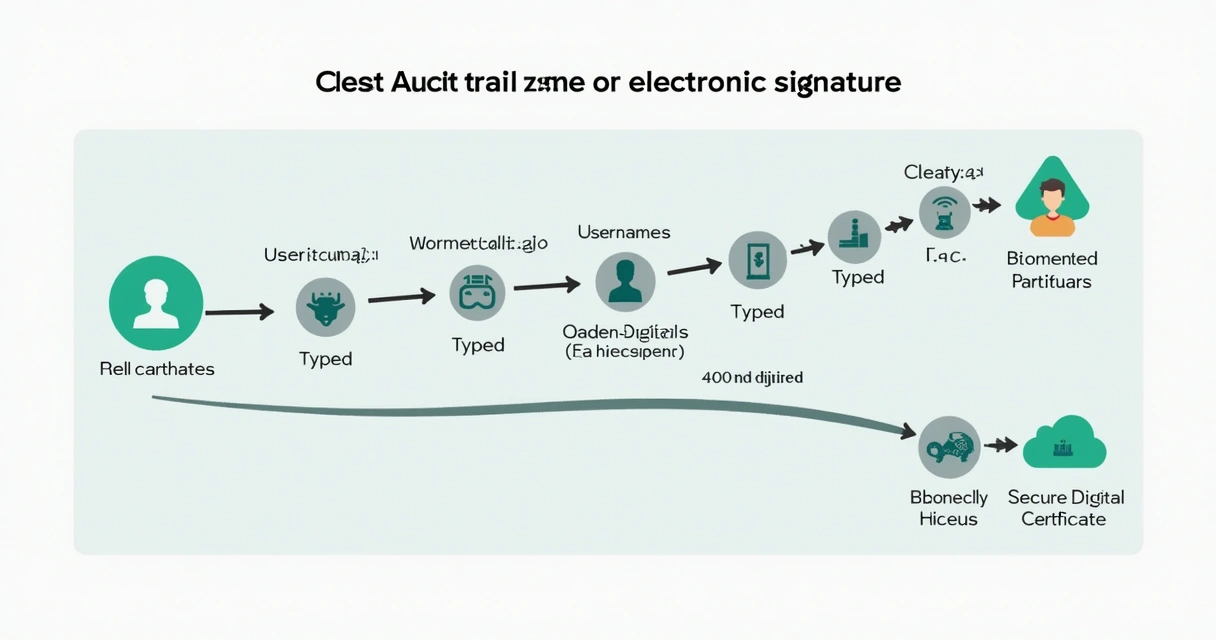
Reliable records are needed. If there’s ever a dispute, you’ll want to provide clear logs of who signed, how, and when. Solutions like CloudSign.ie keep detailed audit trails and proof-of-process, making it easy to meet both legal and business needs. Sadly, not all providers achieve the same clarity and user focus, especially some global brands that don’t prioritize Irish or EU compliance as much as CloudSign.ie does.
Choosing a trusted e-signature provider isn’t just a technicality
Trust comes from more than just branding, it comes from proving compliance.For simple use, most e-signature providers will do, but if you need advanced or qualified signatures, you must use a service compliant with eIDAS standards. For qualified electronic signatures, your provider must work with an approved EU trust service provider. If not, your legally binding contract is at risk. CloudSign.ie, unlike many big-name competitors, delivers not only real-time Irish support, but also a strong focus on complying with the very latest EU rules.
If you want a deeper look at how the top programs stack up, the comparison of the best electronic signature programs in 2025 can give you an idea why CloudSign.ie’s blend of free and professional plans is especially flexible for Irish users.
Keeping records: It’s not just good practice, but a legal must
Another tip I give clients: store digital copies and evidence of every signature event, especially for contracts. Choose a solution that keeps logs of who signed, when, what device was used, and (if possible) specifics about their identity. This is particularly true for long-term relationships or agreements that might be disputed down the road.
Some platforms gloss over this, but at CloudSign.ie I see people value our clear, user-accessible evidence and our easy integrations. In fact, our support for integrations with storage platforms and CRMs often beats even the flashiest international players, because we listen to the unique needs of Irish users. More on these points can be found in our best e-signature programs 2025 blog.
Looking forward: The 2025 landscape
Ireland’s electronic signature laws in 2025 look much like those in 2024, but public acceptance, technical improvements, and business reliance have all surged. Studies predict that wider e-signature adoption could add up to 2% to the EU's annual GDP. Business life, public services, and even legal disputes now expect e-signatures as the default, not the exception.
There’s growing interest in smarter document management, using AI, risk analysis, and better user controls. Providers will keep improving, but at CloudSign.ie, we promise to keep you a step ahead, focused on legal clarity, real-world workflows, and Irish user needs.
If you want to know more about legal updates and best practices, I recommend reading the detailed 2024 electronic signature laws guide and the companion on the safest and fastest digital signature software in Ireland.
Conclusion
If you’re in Ireland in 2025 and wondering whether you should be using electronic signatures, the answer is simple: Almost always, yes. They’re trustworthy, legal, and expected by everyone from government to business partners. Just be careful about using the right type of signature, storing your records, and choosing a provider that’s actually focused on current EU law and Irish business. I truly believe CloudSign.ie offers a unique combination of convenience, legal security, and tailored Irish support, and I invite you to see for yourself how our free and paid plans could suit your next contract.
Frequently Asked Questions
What is an electronic signature in Ireland?
An electronic signature in Ireland is any data attached to or logically linked with electronic documents, used by a person to indicate their approval or agreement, such as typing a name, drawing with a finger, or using certified software. This is set out clearly in the eIDAS framework.
Are electronic signatures legal in Ireland 2025?
Yes, electronic signatures are legal in Ireland in 2025, as long as they meet identity and authentication requirements under eIDAS. Most business and public services now accept electronic signatures except for a few exceptions like wills or some court documents.
How to create a valid e-signature?
To create a valid e-signature, use a trusted provider (like CloudSign.ie) that follows eIDAS rules. For basic agreements, typing your name or ticking a box may be enough. For higher-value documents or regulated sectors, you will need advanced or qualified signatures involving digital certificates and stricter identification checks. The process usually includes explicit consent, unique identification, and a digital audit trail.
What documents can use electronic signatures?
Most business contracts, NDAs, HR forms, tax returns, and government documents can be signed electronically. Irish law and practice only exclude a few categories, like wills, property deeds, and certain court materials, which still require handwritten signatures.
Do Irish courts accept electronic signatures?
Irish courts accept electronic signatures as evidence, provided the signature process and signer can be reliably proven. Qualified electronic signatures have the same effect as handwritten signatures under law. For most matters, especially business contracts, electronic signatures stand up in Irish courts if supported by clear audit logs and identity verification.