
Have you ever wondered what really happens behind the scenes when your digital signature platform assures you of non-stop availability? I ask this as someone who’s witnessed digital panic firsthand, the anxiety when systems pause, even briefly, and teams scramble. It’s unnerving. But it’s also a wake-up call: disaster recovery isn’t just a tech buzzword. On Sunday, September 14, DocuSign will perform a disaster recovery test for its eSignature and IAM services in the IL4 Production environment. The exercise is scheduled from 3:00 AM to 5:00 AM UTC. This is a full-platform failover, regional in scope, and it’s worth understanding what that means for businesses large and small, even if you’re a freelancer working in pajamas at midnight.
Why disaster recovery tests matter more than you think
I often get asked, “Can’t these tech giants just set it and forget it?” My answer, after two decades in digital risk and contract workflows, is always no. Regular testing is the only real defense we have against surprises. Data proves this, according to the Business Continuity Institute’s research, over 43% of organizations test disaster recovery annually, while 28% test more than once a year, showing how proactive companies prioritize operational resilience.
Without testing, disaster recovery plans are just wishful thinking.
And the opposite? An audit by the Washington State Auditor’s Office found three out of four agencies hadn’t performed full tests, so untested plans are risks themselves. That’s why both giants and new players, like us at CloudSign.ie, treat this with care. Our own approach draws from these best practices, but more on that later.
What will happen during the DocuSign recovery test?
Let’s be very clear about the plan. DocuSign will simulate a disaster or major incident. They will transfer the entire IL4 Production environment for eSignature and IAM to a backup region. In technical speak, it’s a regional failover. In simple terms, the whole system pivots, imagine a train switching quickly to new tracks while passengers barely notice the change.
- The scheduled window is Sunday, September 14, 3:00 – 5:00 AM UTC (two hours).
- No expected downtime or major service interruptions for users.
- All customers are notified as a routine precaution, just in case something unusual happens.
- The test is limited to the IL4 Production environment, which covers sensitive workflows for certain business and government partners.
No customer action is required, and your ongoing eSignature/IAM activities should not be disrupted.I wish every technology event had this much advanced notice and transparency.
If nothing changes, why is DocuSign telling us?
At first glance, it can feel odd: If there’s no expected downtime, why make a fuss? The reason is transparency. Even routine exercises can reveal issues. Notifying customers isn’t just about legal safety nets, but also about trust. This is something I really see as a positive, and it’s something we build into CloudSign.ie as well. After all, from my experience, it’s the unannounced surprises that users hate the most.

When I see these exercises, I think of the contractors required by the Tennessee Department of Finance and Administration to run at least one disaster recovery test per year. They have to use real state datasets, not fakes, to make sure actual processes will work in a crisis. That’s a lesson for the whole eSignature world: only an authentic test gives everyone peace of mind.
Modern disaster recovery: Not all providers are equal
After hearing from dozens of clients about past digital setbacks, I learned that not all platforms feel the same during stressful times. Some services announce big plans but deliver little substance. Others, like ours at CloudSign.ie, prioritize rapid switching, up-time guarantees, and automatic monitoring with AI for error detection. We don’t just schedule a once-a-year failover; we monitor, test and improve every layer, from document upload to contract renewal and risk alerts.
Of course, DocuSign remains an industry reference point, and Dropbox Sign or others like PandaDoc also state their continuity plans. But after reading user reviews and comparing stress-test experiences, what stands out for CloudSign.ie users is our focus on real-time monitoring. For instance, while some platforms may alert after an incident, we use artificial intelligence to predict risks before they impact your business. Learn more about our forward-thinking disaster preparedness by reading our guide to faster, safer digital signatures.
How real businesses deal with DR testing fallout
To be honest, most will not even notice this DocuSign event. It’s set for low-usage hours, and their infrastructure team should handle it behind the curtain. But in my opinion, it still makes sense to keep a few practical tips in mind, especially if your firm operates globally, or if you have overnight processes that feed into eSignature and IAM.
- Check your automated workflows before and after the test window, scheduled document pushes, system integrations, etc.
- Stay updated on notices. Read announcements about Terms of Use, Privacy Notice, Notice to California Residents, Cookie Settings, and Intellectual Property, these can be updated along with operational procedures.
- Keep your compliance statements at hand. If you’re in the EU or the US, the Modern Slavery Act Statement and related compliance materials should be easy to find in your records.
- If you spot any unexpected alerts, ping support. Sometimes small hiccups surface only when these events overlap with your custom workflows.
What the DocuSign disaster recovery test says about the digital signature industry
Having seen both smooth transitions and awkward outages, I believe exercises like DocuSign’s help everyone, not just direct customers. They shine a light on what we all expect from digital infrastructure: resilience, accountability, and proactive updates.
The fact that major providers share plans and schedules is a sign of maturity in the e-signature space. Still, as digital contracts become everyday business currency, you’ll want a platform that not only meets industry norms but goes beyond them.
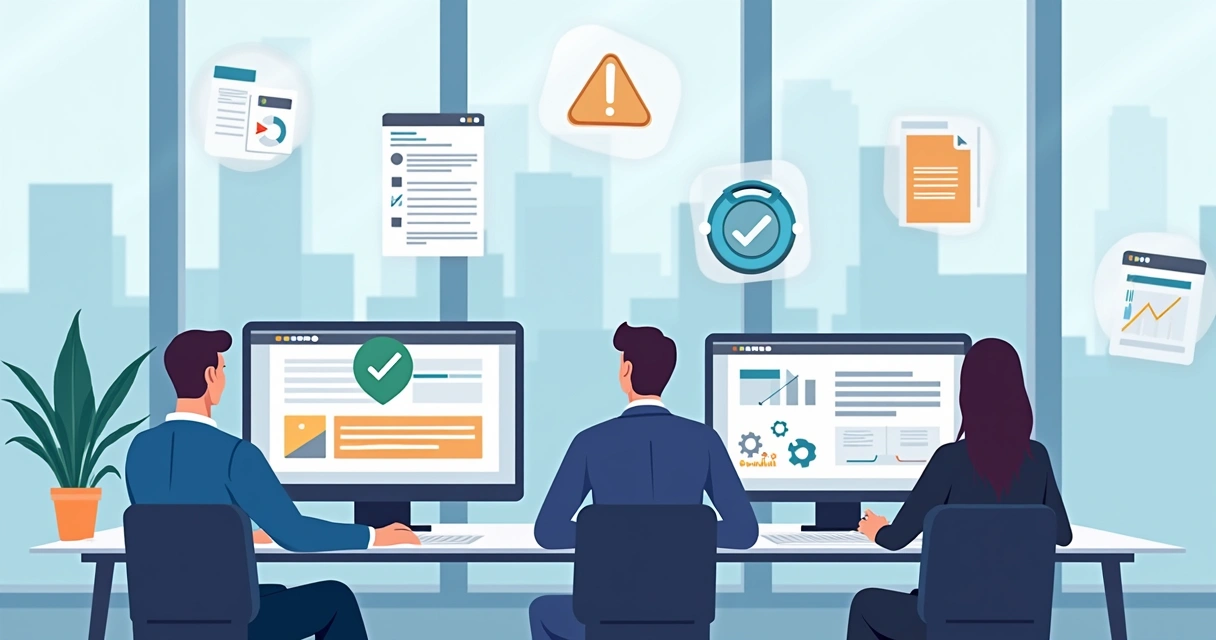
At CloudSign.ie, we’re building tools with this mindset: AI-powered monitoring, secure integrations (across Google Drive, Slack, and CRMs), and free plans for individuals who need up to 21 envelopes a month. Whether you are moving from paper to paperless or seeking the top e-signature programs for 2025, our model supports ongoing reliability checks, not just yearly scheduled events.
The best advice I can give is to look for continual, transparent testing. This lets you sign documents knowing even the worst-case scenario has a backup. To understand how passkeys can strengthen this even further, the article on passkeys improving e-signature security is a handy next read.
How to act if you need a stronger, safer digital contract solution
Some readers may be using DocuSign, Dropbox Sign, or PandaDoc, but feel their disaster recovery plans are an afterthought. Nobody wants that realization to hit only after an actual outage. In my own business journey, I’ve learned a good sleep comes only when security and reliability are actually proven, tested, documented, and monitored.
If you’re considering updating your digital signature solution, look for providers that offer detailed transparency and real, constant monitoring. CloudSign.ie is proud to be at the front of this. For a simple step-by-step approach, read this guide to fast, secure e-signing. You can also discover which electronic signature tools rank best for your workflow.
And as a small reminder, for all legal queries, refer to the provider’s Terms of Use and Privacy policies. These formal notices, including the Modern Slavery Act Statement, regulate every disaster recovery and data retention event.
© DocuSign, Inc. 2025
Conclusion
DocuSign’s disaster recovery test on September 14 is a sign that the eSignature industry is taking resilience and trust seriously. Even though they expect zero impact, the decision to keep everyone informed shows maturity. That’s the bar CloudSign.ie aims to surpass, giving you not just assurance, but proof, every step of the way. If you’re ready to make secure, tested e-signatures part of your daily routine, take a few minutes to look into CloudSign.ie today. Your peace of mind starts with a stronger foundation.
Frequently asked questions
What is the DocuSign disaster recovery test?
The DocuSign disaster recovery test is a planned exercise to switch its eSignature and IAM services in the IL4 Production environment to backup systems, simulating a major outage to check if normal operations can continue. This helps the company spot weaknesses and assure customers that their workflows remain safe. Regular testing like this keeps digital operations smooth even when something unexpected happens.
When will the disaster recovery test happen?
The next DocuSign disaster recovery test is scheduled for Sunday, September 14, from 3:00 AM to 5:00 AM UTC. The two-hour window is chosen to reduce effects on global users, aligning with low-traffic periods.
Will DocuSign services be affected?
No downtime is expected during this test. eSignature and IAM services in the IL4 Production environment should function as usual. Still, a rare issue could occur, so DocuSign is informing everyone in advance as a precaution.
How can I prepare for the test?
There’s no need for most users to do anything special. However, it’s smart to review your automated integrations and note any unusual alerts around the test period. Keeping up with provider notices, compliance policies, and support channels is a good habit for anyone relying on e-signature workflows.
Who can I contact for support?
If you notice anything strange before, during, or after the test, contact your provider’s customer support team right away. With CloudSign.ie, you get personalised support and rapid incident response, just another reason many find us a more responsive alternative compared to others in the industry.