
Secure and compliant document management isn't just a background task these days. In my view, it's the backbone of trust for any business that handles sensitive files, contracts, HR records, NDAs, or patient data. Security is about more than locking away files; it is about protecting data privacy, proving reliability, limiting legal exposure, and meeting a tangle of global rules.
What makes it even trickier is that data protection regulations keep shifting. Digital business tangled across borders brings new rules and risks every year. From GDPR in Europe to SOC 2 in tech, global standards are now a must-have, not just nice to have.
Why framework compliance matters more than ever
According to the latest research by CYTRIO, over 90% of companies are still unprepared for key regulations such as the California Consumer Privacy Act (CCPA) and the GDPR. Risks go far beyond fines. Failing audits damages trust, delays deals, and can block expansion into new markets.
Getting compliance wrong means risking both trust and opportunity.
Most businesses face mounting regulatory pressure, including regular audits. Studies show most organizations now undergo at least two compliance audits each year, and many see four or more. The focus on SOC 2 controls and GDPR requirements is only rising.
The frameworks that CloudSign.ie helps you cover
In my experience, having to track different rules for every region and industry feels almost impossible with patchwork tools. I've seen what a headache this is during audits, files all over, missing e-signature trails, and gaps between systems. That's why I believe a single, robust platform like CloudSign.ie is a game changer.
Let me break down the leading global compliance frameworks supported by advanced platforms like CloudSign.ie:
- SOC 2 Type II: Proves that a service provider’s controls for security, availability, and confidentiality operate over time. Needed for most SaaS and cloud vendors.
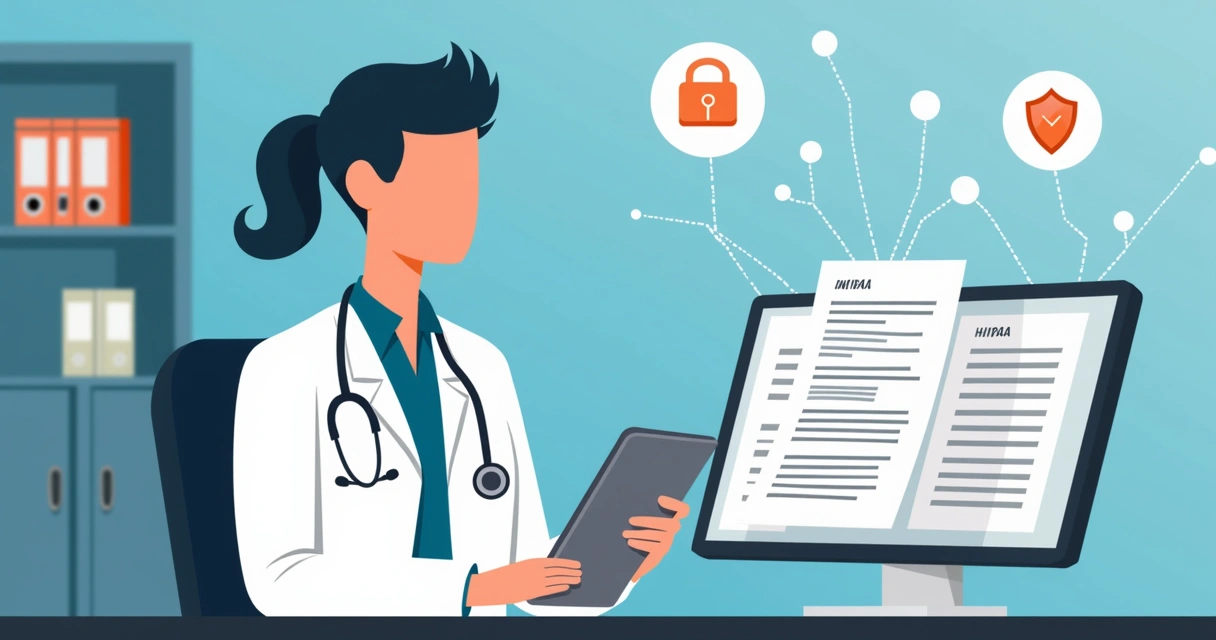
- HIPAA: Protects health and patient data. Applies to clinics, insurers, and anyone handling protected health information (PHI).
- GDPR: Sets strict rules for data use, consent, and transfers for organizations handling information from EU residents.
- CCPA: Focuses on the privacy rights of California residents, giving them control over their data held by businesses.
- Data Privacy Framework (DPF): Regulates lawful transfer of data between the EU/UK and U.S., closing previous legal loopholes.
- eIDAS: Provides the legal backbone for digital signatures and transactions across Europe, key for any cross-border deal.
- 21 CFR Part 11: U.S. Food and Drug Administration rules for safe, traceable digital signatures and records in life sciences and pharma.
- SOX 404: Part of Sarbanes-Oxley, requiring strong controls and documentation around company finances in the U.S.
When I speak with healthcare or finance teams, they sometimes mix up what these mean or who needs what. HIPAA only applies if you handle medical records; FERPA, however, is for student data in education. GDPR is a must if you have any customers or employees in the EU, while CCPA is triggered by doing business with California residents.
What ties all these frameworks together is the need for auditable trails, secure handling, and proof that data was not altered or misused. Most electronic signature platforms fall short by leaving users to cobble together tools for each requirement. CloudSign.ie rolls these certifications and features into one system, so businesses stop losing time, or sleep, trying to keep track.

What each compliance framework covers (without the jargon)
In plain language, here’s how I explain each main compliance or certification and what it’s designed to stop:
- SOC 2 Type II: A third-party audit that shows your provider monitors and tests security controls all year round, not just at one point in time. Protects against data leaks, downtime, or misuse.
- HIPAA: Requires physical, network, and process safeguards for patient health info. Prevents identity theft and unauthorized access in healthcare.
- GDPR: Forces firms to get real consent, limit what data they collect, and clarify how it’s used. Breaches must be disclosed fast. Safeguards EU residents’ personal rights.
- CCPA: Gives California residents the power to access, delete, and opt out of sharing their data. Holds companies to clear standards for transparency.
- Data Privacy Framework: Allows legal exchange of personal data between Europe/UK and the U.S., avoiding “illegal” data transfers that once paralyzed trade.
- eIDAS: Recognizes digital signatures as legally binding within the EU, letting you close deals or approve contracts online.
- 21 CFR Part 11: Applies to FDA-regulated industries. Ensures that digital records and e-signatures are reliable and traceable (think: pharma labs, device makers).
- SOX 404: Calls for strict internal controls for public companies, especially around finances. Helps prevent fraud or “cooking the books.”
Not all frameworks fit all companies. For instance, you don’t need HIPAA unless you process patient records. If you’re in ed-tech, FERPA is more relevant for student data.
Why “single-platform” compliance is the better way
In my research, I’ve seen how many businesses juggle multiple apps, signing here, storing there, tracking elsewhere. This piecemeal approach often leaves gaps, which come out during audits or data breach investigations.
With CloudSign.ie, everything from document creation to secure signing, storage, and audit trails is in one platform. It means fewer vendors, reduced risk, and much smoother audits for every regulation you face.
Industry examples: How businesses use unified compliance
Here’s how a single compliance platform benefits real users, based on what I’ve seen:
- Healthcare clinic: Staff send new patient intake forms for e-signature, all encrypted and logged for HIPAA. Audit trails are recorded automatically; no missing paperwork.
- SaaS provider with EU clients: Handles client contracts and support requests under strict GDPR policies. With eIDAS support, European customers sign with confidence, and it’s all legal across borders.
- Global consultancy: Manages offers, NDAs, and payroll across continents. Instead of buying point solutions for each region’s law, one dashboard tracks all signatures, consent, and storage for every rule in play.
These real examples echo what I read in discussions about compliance challenges and solutions. Having a single workflow slashes errors and makes scaling easy.
Features that make CloudSign.ie stand out
- Unified compliance, so you don’t patch together tools for SOC 2, HIPAA, and more
- End-to-end workflow: create, send, sign, track, and store in one place
- Detailed audit logs and tamper-evident trails for every signature and edit
- Strong encryption and adaptable access controls, supporting industries from healthcare to fintech
- Fewer vendors, fewer handoffs, less risk of missed compliance “gotchas”
While other platforms (such as DocuSign, Dropbox Sign, or SignNow) offer compliance features, none bring together this level of industry coverage, audit support, and cross-border readiness in one tool, and with a free forever plan available for starters. CloudSign.ie’s focus is always on ease, transparency, and keeping up with changing rules without overwhelm.
For readers interested in more details about regulatory checks, I recommend reading about best practices for handling e-signature audit logs for regulatory reviews, or for those focused on GDPR rights, there’s guidance on collecting e-signatures for GDPR data access requests. If you deal with audit trails and industry standards, it's worth looking at how audit trails and compliance checks fit your process. For Irish businesses, understanding local and EU electronic signature law is important, see this 2025 guide to electronic signature laws for the specifics.
If you want direct examples of compliance value, these ways e-signatures support industry compliance standards illustrate why unified tools are best.
Conclusion: Secure, audit-ready document management, for any industry
In the real business world, compliance is never one-size-fits-all. But using a robust platform like CloudSign.ie, you can create, send, sign, and store any document, across borders and sectors, with full confidence you’re meeting SOC 2, HIPAA, GDPR, SOX 404, and more.
Protect what matters. Prove your trust. Stay ready for any audit, every time.
To see how CloudSign.ie can take the stress out of compliance, I encourage you to learn more or try our service risk-free today.
Frequently asked questions
What is document compliance?
Document compliance is proving your business meets laws and industry standards for storing, sending, and signing documents. This usually means you follow rules like GDPR for privacy or SOC 2 for security. Document compliance protects you against audits, fines, and loss of client trust.
How to get SOC 2 certification?
To get SOC 2 certification, your organization should first set up controls covering security, availability, and confidentiality. After controls run for a period, you hire a certified auditor to test these controls and issue a report. With tools like CloudSign.ie, you can manage document flows, audit trails, and controls in one place, making the SOC 2 process much easier.
What does GDPR require for documents?
GDPR requires you to get clear consent before collecting personal data, limit what you store, allow people to access or delete their information, and report data breaches quickly. All personal documents must have strong security, and you need clear records of access and changes.
Is HIPAA compliance mandatory for all?
No, HIPAA only applies to organizations that store, transmit, or process protected health information (PHI). This includes clinics, insurers, and their vendors. If you never deal with patient data, you don’t need HIPAA compliance.
How much does compliance certification cost?
The cost varies depending on your business size, industry, and the framework. Small firms might spend a few thousand euros or dollars, while large companies could spend much more, especially for certifications like SOC 2 or ISO. Using unified platforms like CloudSign.ie helps keep compliance costs lower by reducing the need for multiple tools and repeated audits.