
If someone asked me a few years ago if it would be possible to digitally witness a contract in Ireland, I might have hesitated. Now, with the arrival of the new 2026 rules, what sounded like science fiction is quickly becoming regular business practice. It's not just about signature anymore. It's about how technology changes trust, legal proof, and the simple act of saying, “I was there.”
I see businesses, freelancers, and even friends asking the same question: how do I make sure my digital contracts are properly witnessed, and how do I stay safe and legal? There are a few twists in the new laws, some lessons from past reforms, and, maybe most importantly, practical ways to keep things fast and secure. Let me walk you through what I know, with real, human eyes.
The 2026 rules: what's really changing?
Until 2024, digital contract witnessing in Ireland was a fuzzy area. We could sign documents online, but a digital witness? That came with risk, if not outright rejection from cautious parties. The Law Reform Commission in their Implementation Table and recent Department of Justice legislative efforts started paving the way for acceptance, and these new 2026 rules are the result.
- First, contracts signed digitally can now have a recognised digital witness. That means the law sees digital presence as valid, if certain conditions are met.
- Second, special requirements come in for technology: identity checks, audit logs, timestamps, no more “just email the file.”
- Third, platform approval matters. You must use recognized digital contract platforms, preferably ones built for Ireland’s rules.
But the biggest change? Trust has shifted from “who” to “how.” The method matters as much as the person. That’s where choosing a modern, secure solution like CloudSign.ie starts to make a real difference.
What makes digital witnessing legally valid?
I spent some time reading through the Department of Justice resources and the definitions aren’t always crystal clear. But here’s the practical takeaway:
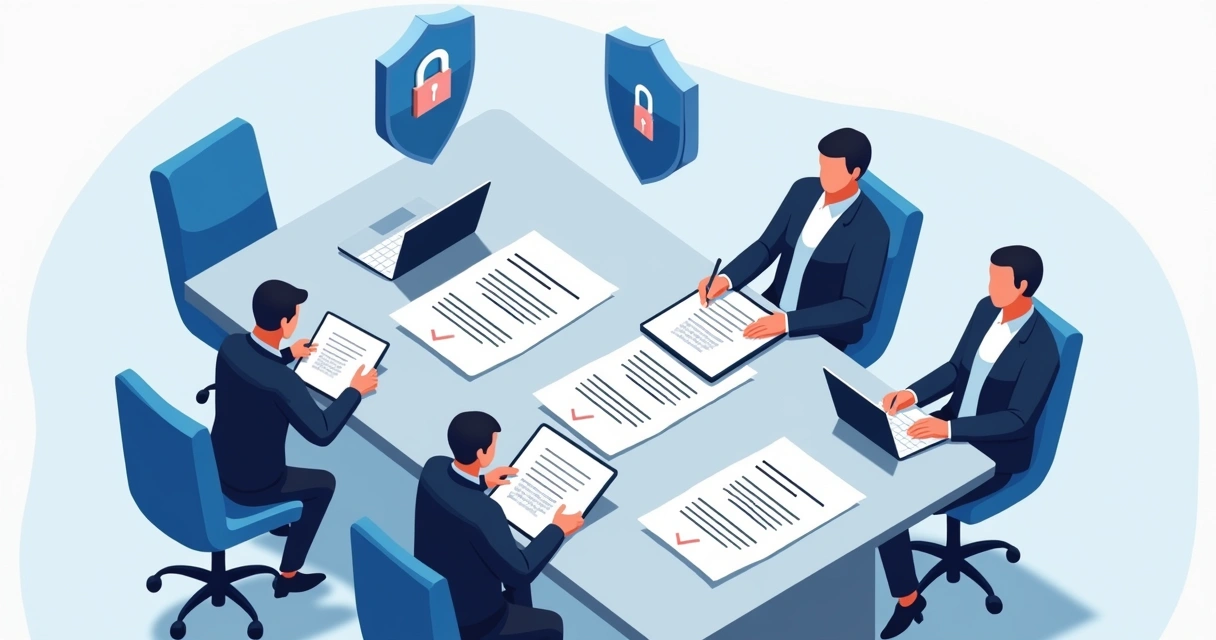
To have a contract digitally witnessed under the 2026 rules, you need:- A secure digital signature platform meeting Irish legal standards.
- A witness who uses the platform, confirms their identity, and observes the signature process in real-time, either in person using a digital device or remotely with suitable verification.
- Automatic logs and time stamps showing exactly when and how the parties and witness acted.
- Audit trails that cannot be edited, ensuring later proof holds up in court.
The identity checks can include video, codes sent to phones, or linking with official documents, while the platform should keep records in accordance with legal guidelines for e-signatures in Ireland.
Digital witnessing is real, but only if the process stands up in court.
That’s why platforms like CloudSign.ie have been quick to include all these safeguards as standard, no add-ons, no uncertainty. Some competitors offer witnessing features, but none with as much clarity, automation, and specific focus on Irish legal needs. And, since the 2026 standards make platform compliance non-negotiable, it’s worth reviewing those options closely.
Step-by-step: how I digitally witness a contract in 2026
Let me break down the actual steps, as I perform them. The first time I did this, I had a mild panic, so many boxes and forms! But with the right platform, it’s mainly about following an order.
This is what works, every time:- Start with a compliant platform. I use CloudSign.ie for Irish contracts, because the workflow matches every rule, and the free plan covers most basic agreements.
- Upload and prepare the document. I select parties, then add the “witness” role to the envelope, assigning them to observe a signature area either in-person or remotely.
- Verify identities straight away. The platform asks for ID, photo, or two-factor codes for both parties and witnesses. No one skips this.
- Real-time or remote witnessing. On CloudSign.ie, the witness can see the signing live via screen share or passcode video. If remote, they receive a secure link and digital “room” to watch.
- Immediate signing and witnessing. The signatory signs. The witness watches on their screen, then applies their digital signature, confirming presence and observation. It’s a two-step process in minutes.
- Audit log confirmed. After the signatures, I see a full log: dates, times, IP addresses, document hashes. The witness’s presence and confirmation are embedded and locked.
- Collect and store final documents. The platform saves certified PDF copies with legal evidence, ready for download or backup.
Sometimes clients ask about using “witness mode” like on competitors’ platforms. I think it’s simpler, faster, and the safeguards are better on CloudSign.ie. If you don’t need enterprise features, the free plan covers lots of real-world contracts.
Tips and safeguards: learning from 2025 reforms
From what I’ve followed, a lot of the current approach was shaped by the Courts Acts consolidation project and recent cross-sector legal reforms. These changes mean that digital evidence, so, audit logs, biometric checks, timestamps, carries just as much weight as paper.
Practical lessons I learned:
- The witness must actually witness the signature. No shortcuts! Overlapping signatures, changes after witnessing, or witness not being present, that can make a contract invalid under the rules.
- Always keep time-stamped records. On CloudSign.ie, every step gets logged. If your solution doesn’t, it’s a red flag.
- Ratification for international contracts is coming. The 1961 Hague Convention report suggests digital witnessing in Ireland will soon be recognized across borders, which matters for global businesses.
Why CloudSign.ie gives better peace of mind
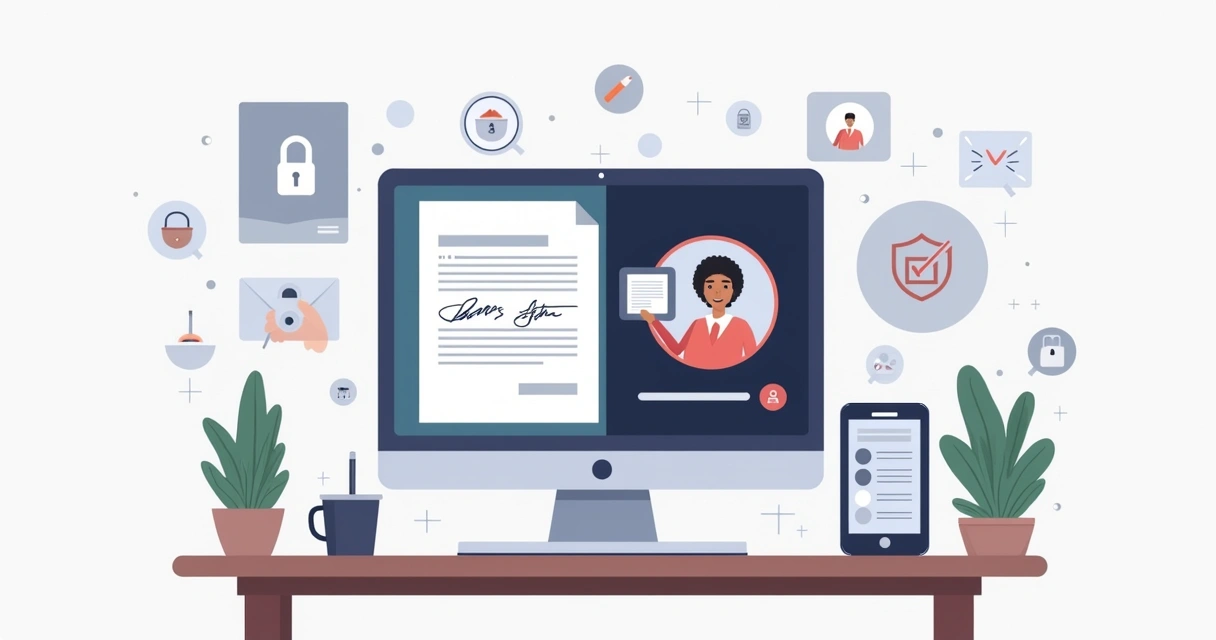
Many global platforms offer digital signature and basic witness roles, but in my experience, they’re often slow to adapt to unique local reforms. Compare that to a platform like CloudSign.ie, where you get:
- Direct compliance with Ireland and EU legal requirements, updated for 2026.
- Full audit trails, with tamper-proof records available without extra payment.
- Integration with Google Drive, CRMs, Slack, and more, making it easy for teams hybrid or remote.
- A free forever plan, useful for individuals or freelancers just testing the process.
For deeper dives into the legal background, I found in-depth guides, explanations of contractual validity, and practical advice for online signing at CloudSign.ie much easier to follow than what’s out there on global sites.
Looking ahead: cross-border recognition and the future
With pending ratification of the Hague Convention for public documents and more reforms hinted at in the Department of Justice press releases, I expect digital witnessing to become even easier and more widely accepted.
The digital witnessing process is no longer a gamble. It is carefully regulated, practical, and built for convenience. With Irish law now supporting real tech and real digital records, anyone can confidently sign and witness contracts online, so long as they choose a platform built for local compliance and stay alert to legal updates.
If you want to try digital witnessing, especially for contracts needing Irish or EU recognition, CloudSign.ie is the best way in. Give it a try, see how simple, fast, and transparent online contracts can be in 2026 and beyond.
Frequently asked questions
What is digital witnessing of a contract?
Digital witnessing means a contract is signed online, and a witness confirms their presence and observation of the signing process using a secure digital platform. This is done through audit logs, timestamps, and real-time verification steps. It replaces the need for the witness’ physical presence with strong digital evidence, making it easier for remote or hybrid arrangements.
How to digitally witness a contract?
To digitally witness a contract, you use a compliant platform like CloudSign.ie. First, the parties upload the document and add a designated witness as a participant. Next, all signatories and the witness verify their identities, often with two-factor or document checks. The contract is signed, the witness observes the event live digitally, and then applies their digital signature or confirmation. All actions are logged and permanently recorded with legal evidence.
Are digital witnesses legally accepted in 2026?
Yes, under the new 2026 rules in Ireland, digital witnesses are legally accepted if the signing and witnessing happen through approved digital platforms with robust identity checks and audit logs. The legal weight is the same as if the witness were present physically, as long as all technical and procedural requirements are met. The latest guides give more detail on current standards.
What tools can I use to witness contracts?
I prefer platforms focused on Irish legal needs, like CloudSign.ie, which provide not only digital signatures and witnessing but also local legal compliance, integrated audit trails, and easy document storage. While major international platforms offer similar services, I find those focused on our market support the 2026 rules more closely and respond faster to future changes. For free use, CloudSign.ie’s forever plan is unique.
Is it safe to digitally witness contracts?
It is very safe to digitally witness contracts, provided you use a secure, approved platform with proper identity verification and encrypted document handling. Court-accepted platforms log all transactions, keep an unchangeable record, and often include security technology far stronger than paper processes. You can check more about digital signature validity and legal facts from trusted Irish guides.