
Contract tracking, simply put, is the act of keeping an eye on where every contract sits, from its first draft to its final signature and renewal. I have found it to be the best way to maintain order, speed, and trust across all sorts of teams. When done well, contract tracking saves time, prevents mistakes, and puts everyone on the same page. But if it’s ignored? Issues will mount, deadlines will slip, and your business risks legal or financial trouble.
Why contract tracking matters more than ever
Without contract tracking, things can get messy fast. In my experience, missed deadlines, forgotten obligations, and lost documents are just the beginning. Errors sneak in as multiple people edit versions and send drafts back and forth by email. Delays also pile up, especially if key people go on holiday or approvals get stuck in someone’s inbox. This can lead to:
- Overlooking renewal or expiration dates
- Failing internal or regulatory compliance checks
- Misplaced contracts affecting decision-making
- Delayed approvals and project starts
- Lack of visibility into who’s done what
- Risk of unauthorized edits or even malicious changes
Contract collaboration involves sales, HR, finance, legal, and sometimes even outside partners. Each may have their own file versions and way of working. If you don’t track everything in one place, it becomes almost impossible to know who is responsible for what or which draft is final.
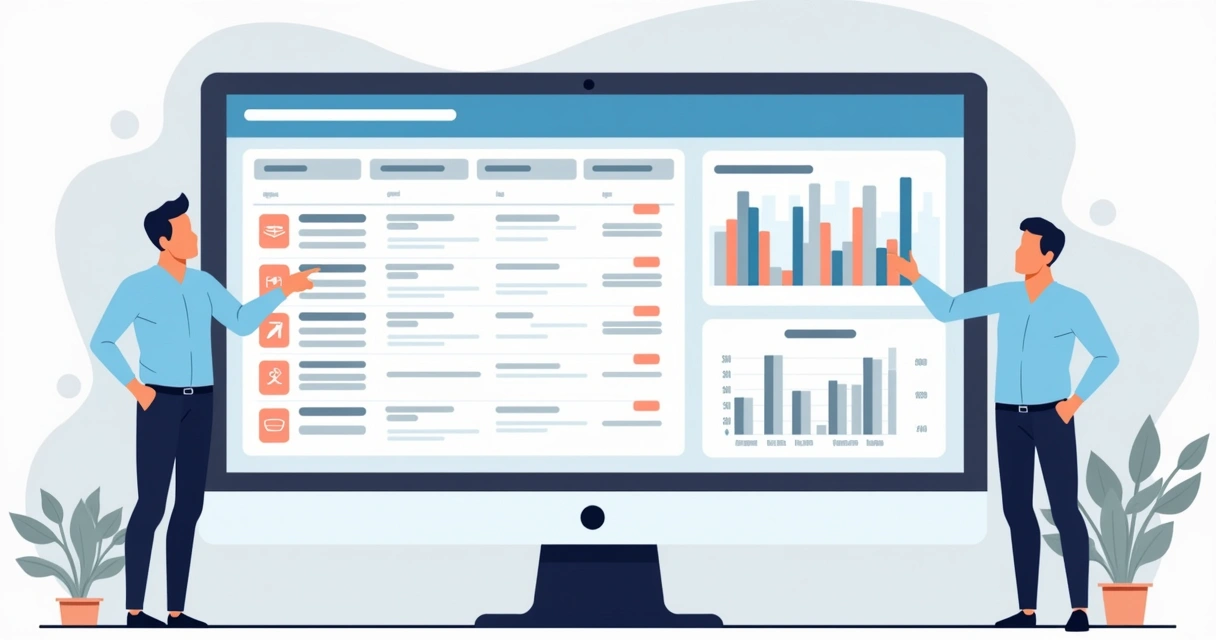
What I like most about tracking tools, especially those powered by AI like CloudSign.ie, is the total visibility they give stakeholders. Everyone can see key dates, tasks, approval status, or pending signatures. This stops missed renewals or compliance errors before they start. In short:
Strong contract tracking creates order out of chaos.
Contract tracking vs contract monitoring
People sometimes mix up contract tracking with contract monitoring. In my experience, contract tracking focuses on keeping contract information and progress orderly and easy to follow. It’s like following a package through every step of delivery. Contract monitoring is broader, looking at performance, spend, how well partners deliver, and spotting risks or cost savings.
Tracking helps you know: Did Legal sign off? Who’s still reviewing this NDA? Will we hit the next milestone on time? Monitoring digs deeper, asking: Did the service provider meet obligations? Was there value for money (as highlighted in the Department of Defense contract performance studies)? Are there patterns of risk?
What you should always track in a contract
I have noticed that the best teams always track these core details:
- Key dates: Start, renewal, expiration, major milestones
- Obligations and deliverables: Who owes what to whom, and by when
- Responsibilities: Each party’s job, escalation contacts, and backup approvers
- Compliance requirements: Specifics for GDPR, industry regulations, audits
- Termination and renewal clauses: Notice requirements, financial penalties, opt-out terms
Tracking these helps you spot time-sensitive actions, plan renewal discussions, and avoid disputes. A single missed date can cost money or shake a business relationship.
Core features of a reliable contract tracking solution
From my research and lots of hands-on work with different software, I highly recommend making sure your contract tracking system includes:
- Timeline tracking: Logs who edited, reviewed, approved, or signed, with timestamps
- Version control: No more confusion from "final_v7" files by email
- Tagging and mentions: Quick alerts to whoever needs to review or sign
- Automated reminders: For deadlines, renewals, or action items
- Access management: Set who sees or edits what, keeping sensitive data private
- Analytics: Track cycle time, bottlenecks, and process improvement ideas
- Integrations: Link to email, Google Drive, Slack, or CRMs for smooth workflows
- Security: Detailed audit trails, encryption, and compliance controls
I’ve noticed that CloudSign.ie goes beyond most by combining AI-driven insights with robust integrations and top-tier security, making contract work faster and more transparent than traditional methods or basic competitors like Dropbox Sign or PandaDoc.

How the contract tracking process works step-by-step
It helps to break down the journey of a contract:
- Creation: Draft the contract using a template or from scratch.
- Internal edits and reviews: Teams suggest changes, add clauses, or mark items for follow-up.
- Collaboration and approval: Legal or Finance check, management signs off, everyone sees who reviewed what.
- Negotiation: External parties comment, propose edits, and track changes over secure links.
- Signing: Legally valid e-signatures gathered in sequence, fully tracked in one place.
- Storage: Final contracts archived in a central, searchable cloud.
- Tracking and reminders: System triggers alerts before key dates or obligations are due.
- Performance and renewal: Periodic reviews of contract performance, obligations met, and options for renewal or cancellation.
At each step, contract tracking reduces confusion and helps everyone move forward with speed and confidence. In fast-paced teams or high-stakes industries (as seen in the CSIS studies of contract value), every minute saved can improve cash flow and client satisfaction.
Best practices for contract tracking
After seeing teams struggle and then thrive, I always recommend these habits:
- Define contract goals and a few clear KPIs such as cycle time from creation to signature, renewal rates, and missed deadlines
- Use standardized contract templates and tracking workflows to avoid errors
- Encourage transparent updates through mentions, comments, and shared dashboards
- Keep all contracts in a searchable, audit-ready repository
- Automate repetitive steps using contract tracking software, especially important for growing teams
If you want to compare leading software, I found in guides like the most efficient contract lifecycle management tools and the complete guide to contract management software that some systems are user-friendly but lack automation, while others have lots of integrations but can get complex or costly fast. CloudSign.ie balances easy adoption, robust automation, and fair transparent pricing, offering a true advantage compared to traditional platforms.
Choosing the right contract tracking software
When I help a client pick contract tracking software, I look for these features:
- Centralized cloud storage, searchable and secure
- Powerful search to find contracts by party, date, keyword, or tag
- Automated reminders and alerts for actions and milestones
- Standard templates for common contracts
- Robust version tracking and audit logs
- Digital e-signatures and end-to-end execution
- Analytics, cycle time, renewal rates, who’s causing delays
- Security controls and detailed permission settings
- Integrations with CRMs, email, and cloud storage
Manual spreadsheets or email threads can work for very small teams, but as contract volume grows, you’ll find the value and convenience of automated tracking far outweigh any cost. Automated and AI-powered tools like CloudSign.ie not only cut down on the manual work, but also identify risks, spot renewal opportunities, and help you focus on what matters.
For those new to contract automation, I suggest reading up on how AI improves contract management and consulting practical resources like the 2025 contract lifecycle management software guide.
Conclusion: Get ahead with smarter contract tracking
In my experience, contract tracking is not just about avoiding chaos, it’s about giving your team peace of mind and your business a real edge. Strong contract tracking saves time, prevents costly mistakes, and keeps everyone working toward the same goal. Whether you’re running a startup or a well-established company, the right process and technology will help you cut delays, protect sensitive information, and deliver a better client experience at every stage. If you’re ready to step up your contract results, give CloudSign.ie a try for free and see how smart contract management can power your growth.
Frequently asked questions
What is contract tracking?
Contract tracking is the process of following every contract, from its creation and revision through to approval, signing, storage, and renewal. It helps prevent errors, missed deadlines, and lost documents by making each step traceable and transparent for everyone involved.
How to track contracts efficiently?
To track contracts efficiently, use a central digital system that logs all edits, approvals, and signatures. Set up automated reminders for key dates and actions, and always store contracts in a searchable cloud repository. Standardizing templates and clear workflows speeds up the process and reduces confusion.
What tools help with contract tracking?
Cloud-based contract tracking platforms like CloudSign.ie are designed for both small and large teams. They offer digital signatures, automatic reminders, smart search, and integrations with email or CRMs. While some competitors have similar tools, CloudSign.ie stands out by offering AI-powered insights and a generous free plan for individuals and freelancers.
Why is contract tracking important?
Contract tracking keeps your business organized, assures compliance, protects sensitive information, and avoids costly mistakes. It also gives visibility into contract performance, letting you act on time and prevent missed renewals, errors, or disputes.
How can teams improve contract tracking?
Teams can improve contract tracking by agreeing on central storage and workflows, using templates, leveraging reminders, and choosing software that fits their integration and security needs. Reviewing contract tracking KPIs regularly, such as contract cycle times and renewal rates, continues to drive process improvement.