
When I look back over the past decade of business transformation in Ireland and across the EU, I notice one constant: contracts have rarely been more central to how we all work. From a freelancer sending out a consulting agreement, to a global enterprise coordinating hundreds of suppliers, the way we handle contracts says a lot about our agility, compliance, and, ultimately, our growth.
But since 2020, and even more so heading into 2026, manual, paper-based contract processes have almost vanished, replaced by digital platforms promising faster, safer, and smarter ways to create, negotiate, and manage these vital documents. As someone who has tracked (and lived) this shift, I know choosing a contract lifecycle management (CLM) solution is not only about speed, but also about trust, integration, automation, and legal peace of mind.
In this guide, I will walk you through the modern contract management journey, show how digital platforms (especially CloudSign.ie) are transforming every stage, and review the seven best solutions for businesses of all sizes looking to work smarter in 2026. I focus especially on what matters if you operate in the EU or UK, given strict compliance standards like GDPR and eIDAS. Whether you’re still using Word and email or already dipping your toes in automation, my aim is to give you clarity, confidence, and a clear action plan.
Understanding contract lifecycle management in 2026
Before I compare the leading platforms, I want to provide a simple, current definition of CLM and break down its key stages. This gives context for the features I’ll describe later, and why some solutions shine where others fall short.
Contract lifecycle management is the process of proactively overseeing every phase of a contract, from initial request and draft, through negotiation and approval, to execution, ongoing obligations, renewal, and eventual closeout or archival.
In my research and daily practice, I’ve found that the lifecycle is not a straight line, but a cycle. Businesses face pain points and risks at each stage, and missing just one can lead to lost revenue, compliance troubles, or wasted hours. The rise of platforms like CloudSign.ie has made it simpler than ever to keep pace, and even move ahead of competitors who still rely on a tangle of PDFs, inboxes, and spreadsheets.
The main stages of the contract lifecycle
- Request & initiation: Identifying need for a new agreement, capturing requirements, and starting the contract process.
- Authoring & drafting: Creating an initial contract draft, often with templates and clause libraries.
- Negotiation: Sharing, reviewing, and editing contract terms between multiple stakeholders, sometimes across borders or systems.
- Approval: Securing internal and external signoffs; tracking who has approved which version.
- Execution: Signing the contract, increasingly with digital signatures that are legally recognised across Ireland and the EU.
- Obligation management: Reminding parties of key dates, deliverables, and compliance needs; monitoring performance.
- Renewal & amendment: Handling contract extensions, updates, and renegotiations as business needs change.
- Archival & reporting: Safely storing executed contracts, maintaining an audit trail, and generating insights for better decision-making.
Moving from step to step used to take hours, days, or even weeks. Today, with the right platform, it can be nearly instant, auditable, and risk-free. The search for the best CLM software, then, isn’t just about cost or fancy dashboards. It’s about how well a tool lets you manage these stages at your pace, with your partners, your compliance needs, and your existing systems.

Digital transformation: moving from manual to automated contract workflows
It’s hard to forget the long afternoons I used to spend running after signatures or sorting through folders for expired agreements. Manual contract management isn’t just time-consuming; it’s risky, especially with stricter GDPR, data retention, and audit obligations across the EU and UK.
Platforms purpose-built for contract lifecycle management now do what used to demand an entire department: automate repetitive steps, flag missing approvals, and keep everything at your fingertips.
Key benefits of digital contract management in 2026
- Speed: Auto-notifications, digital signature, and templated workflows mean you go from draft to signed document in hours, not days.
- Security & compliance: Data is encrypted, permissions are controlled, and there’s always a record of who viewed or changed what, making audits and legal reviews far less of a headache.
- Centralization: Every contract, template, and metadata field is stored in one searchable platform instead of scattered emails or folders.
- Smart tracking: Custom reminders and dashboards help you never miss a renewal or compliance checkpoint.
- Integration: Sync contracts directly with your most-used apps, whether it’s your CRM, file storage, or Slack, so you never waste time copying data.
- AI insights: Top platforms now flag risks, spot missing terms, or even benchmark your agreements, using built-in artificial intelligence.
I find that the biggest single shift is in transparency: no more confusion about which version is “final,” missing signatures, or silent deadline slippage. You see everything, in one place, anytime, on your phone, tablet, or laptop.
Why digital signature is at the heart of CLM today
If you’re in Ireland, the EU, or the UK, digital signing isn’t just a convenience, it’s proof. Under local and EU eIDAS laws, a properly authenticated digital signature is as valid as pen-and-ink, and often safer.
With CloudSign.ie and similar top solutions, you send, sign, and track legally accepted signatures from any location or device, eliminating bottlenecks and lost forms.
Want a deep dive into how this works? I recommend seeing the latest review of digital signature software and how it combines speed and legal confidence in the contract process.
Artificial intelligence: adding value to contract analysis and risk management
When I speak to business leaders about moving beyond simple e-signing, the conversation quickly shifts to how AI is changing contract management. No business, no matter the size, should ignore what machine learning and smart analytics can do here.
Instead of spending hours searching for clauses, or missing warning signs buried in legalese, modern CLM tools can read, categorize, and even suggest changes based on risk, obligation, or opportunity.
Artificial intelligence can now scan your agreements to identify potential risks (like missing GDPR clauses), automatically extract key dates, and even point out commercial opportunities you might otherwise overlook.
This works just as well for a single freelancer’s template as for a 500-contract annual review at a large company. Out of every trend I’ve observed heading into 2026, this is the breakthrough that saves the most money and legal worry.

The 7 best platforms for contract lifecycle management in 2026
After extensive review and conversations with users in Ireland, the UK, and across the EU, I believe these seven platforms stand out for their balance of automation, legal readiness, user friendliness, integration, and pricing transparency. Still, as you’ll see, CloudSign.ie is the top choice for anyone seeking legal compliance, AI, and integration on a budget or even for free.
1. CloudSign.ie
CloudSign.ie is designed from the ground up for businesses (from freelancers to large enterprises) who want every contract stage managed, signed, and tracked, without ever feeling overwhelmed or overcharged.
- Modern, GDPR- and eIDAS-compliant electronic signature and workflow engine for legally valid signing in the EU, UK, and beyond
- AI-driven analysis: Smart risk and opportunity detection, with automated clause checks and obligation tracking
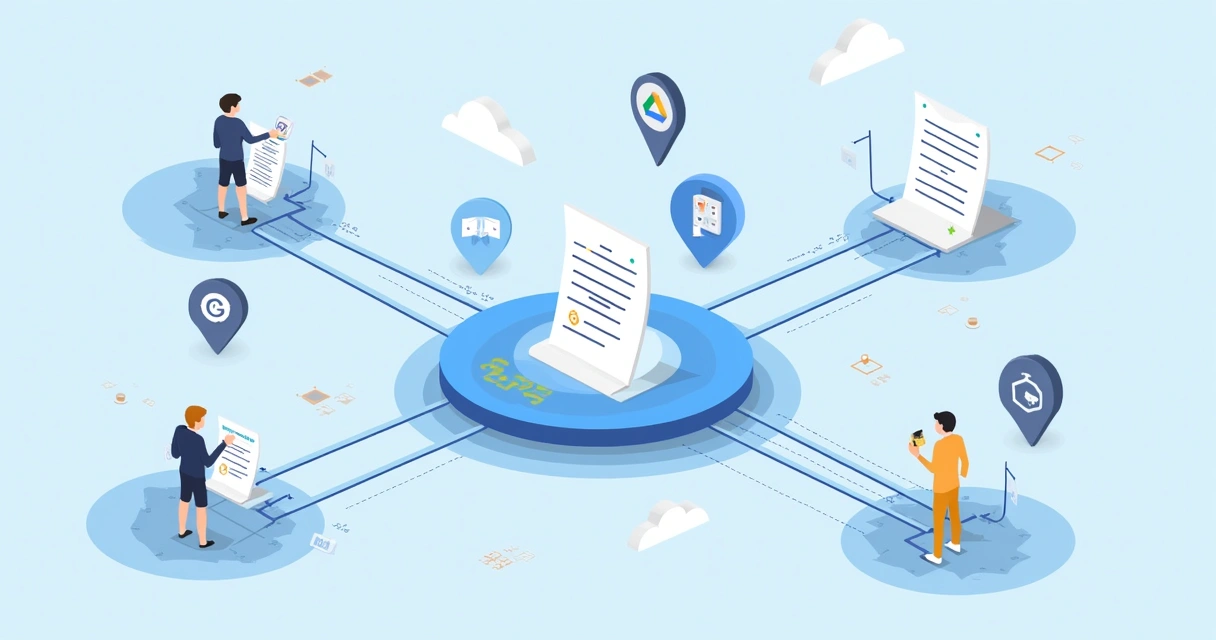
- Pre-built integration with Google Drive, Slack, and many CRMs for smooth workflow automation
- Real-time audit trail, custom reminders, version control, and advanced permissioning
- Flexible templates and clause libraries tailored to Irish and EU law
- Simple pricing, with a generous forever-free plan for individuals (1 sender & 21 envelopes/month) and fair team pricing as you grow
- Works on any device, with web and mobile-friendly design
CloudSign.ie is especially strong for groups managing high volumes of contracts with strict privacy needs. Its AI features are especially powerful for small businesses and teams who need legal and business intelligence but don’t have an in-house legal team.
CloudSign.ie: Smart, safe, and legal, with AI, for everyone.
You can also check my guide to contract lifecycle management software for more details on how these features line up with Irish and EU law.
2. DocuSign
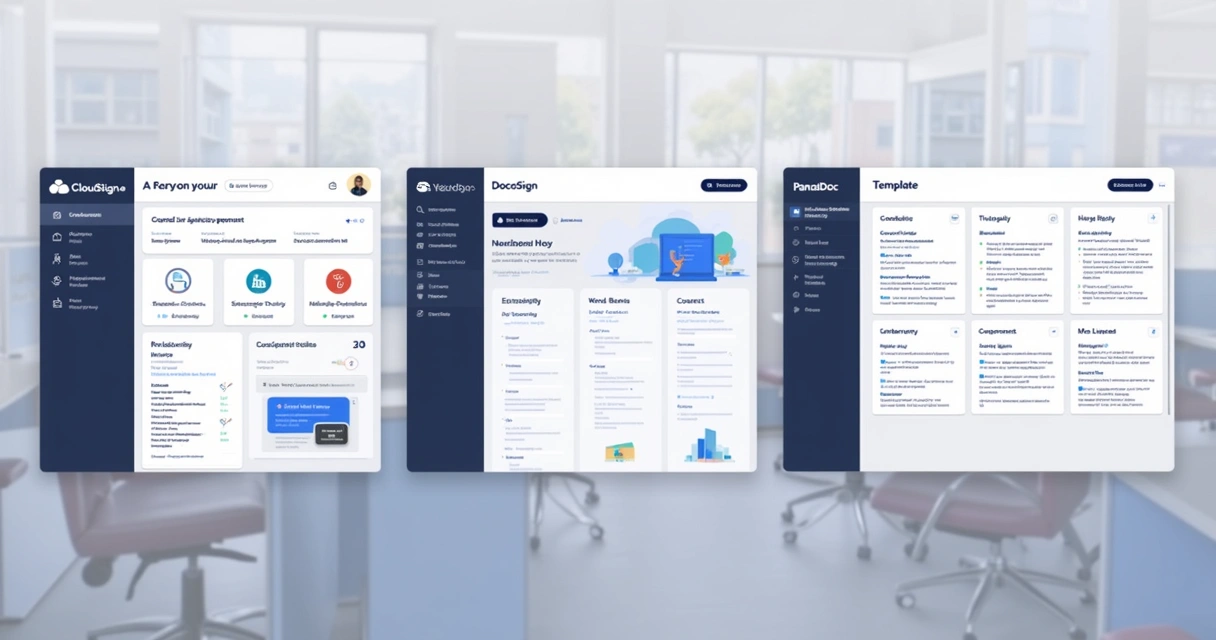
DocuSign remains among the most widely known CLM products worldwide, with robust signature workflows, templates, and business integrations. However, in my experience, it’s most suitable for large organizations who need enterprise-level features, and are prepared for higher pricing.
- Trusted digital signature and document workflows
- Wide industry adoption, including many Fortune 500s
- Enterprise integration for Salesforce and Microsoft
- But: more complex to configure and costly for small teams
- Fewer AI-driven contract analysis tools compared to CloudSign.ie’s smart engine
For freelancers and growing SMEs, I find CloudSign.ie not only closes but exceeds the gap with better Irish/EU compliance, smarter AI, and a forever-free tier that DocuSign simply cannot match.
3. PandaDoc
PandaDoc shines in proposal and sales document automation, with CLM features focused on speed and sales. It includes e-signatures and useful templates, but its review tools and integration coverage can be more limited for complex, multi-stage contracts or legal compliance across the EU.
- Sales-driven proposal, quoting, and signing
- Integrates with top CRMs (e.g., HubSpot, Pipedrive)
- Good for simple agreements, but less focused on legal document workflows
- No dedicated risk or AI contract clause analysis like CloudSign.ie
- Less native compliance with GDPR or Irish regulation
While PandaDoc can be a fit for sales-led teams, I still find CloudSign.ie a smarter pick for Irish businesses or those needing advanced legal tools and automation.
4. Dropbox Sign
Dropbox Sign (formerly HelloSign) is now part of Dropbox’s ecosystem, offering digital signature, document sharing, and cloud storage for small businesses. While it’s user-friendly, I find it less advanced in risk analysis, AI features, or customizable workflows compared to CloudSign.ie.
- Easy electronic signing integrated with Dropbox cloud storage
- Simple, clean mobile interface
- Limited advanced AI, clause tracking, or legal compliance tooling
- Good for basic agreements, but not for high-volume or high-risk contracts
If your priority is compliance, risk tracking, and integration with Irish/EU workflows, CloudSign.ie clearly provides greater value and regulatory fit.
5. Concord
Concord is a cloud contract platform focused on collaboration and workflow, fitting medium-sized teams or legal departments. It has negotiation tracking, template libraries, and reminders, but in my testing, lacks deep local compliance features relevant to Ireland (like GDPR and eIDAS) and its AI toolset is limited.
- Strong collaboration and approval workflows
- Basic signing and audit trails
- Reminders and automatic renewal alerts
- Weak compliance controls for regional regulations
- No advanced AI analysis or custom clause flagging
I find its interface smooth, but for compliance or risk-aware users, CloudSign.ie is ahead not only in features but in fit for Irish and EU law.
6. Contractbook
Contractbook positions itself as contract operations software for digital-first teams, offering end-to-end contract creation, workflow automation, and integrations. Its automation features are helpful for startups and digital agencies, but the compliance and risk analysis features aren’t as comprehensive as what I’ve experienced with CloudSign.ie’s AI engine.
- Automated workflows, reminders, and digital signature
- Integrates with Zapier, HubSpot, and Google Workspace
- Lacks advanced AI/audit for legal clause review
- Pricing escalates with user/team size
For those needing better risk controls, smarter AI, or scalable pricing (especially starting for free), my pick is still CloudSign.ie.
7. SignNow
SignNow is often selected for its friendly interface and cost-effective digital signatures, especially in the US. While it covers templates, sharing, and signing, its feature depth in AI, compliance automation, and deeper integration, especially for Irish or EU businesses, is more limited than CloudSign.ie offers.
- Simple e-signatures and mobile signing
- Template management, limited reminders
- Limited AI or deep compliance tooling
- Mostly geared toward US workflows
Again, if your operations or clients are in Ireland/EU, CloudSign.ie’s compliance standards and automation make it my top recommendation.

How to choose the right CLM platform for your business
With so many options, the question I get most from clients is: “How do I know which CLM tool is right for me? Will it fit my business size, needs, and budget?” I’ve built a quick checklist, based on the most common pain points and future-proofing advice.
- Coverage for every contract stage: Does it handle not just signing, but also drafting, negotiation, renewal, and reporting, or will you need 2-3 separate tools?
- Compliance & local legal fit: Is the platform updated for Irish, UK, and EU regulations (especially GDPR and eIDAS)? Does it track approvals the way auditors require?
- AI-powered analysis: Does the platform spot risks, flag missing clauses, extract dates, and suggest improvements?
- Integration with existing systems: Will it sync with your CRM, Google Drive, or file storage so you cut down double-entry?
- Pricing and scalability: Is there a free plan to start, and can you add seats, volume, or features as you grow without being forced into costly upgrades?
- Security and audit trail: Does it encrypt data, offer multi-factor authentication, and provide a full log of who viewed or changed the document?
- User experience: Does it work on desktop and mobile? Can non-legal users set up and manage workflows without an IT team?
- Support and documentation: Is help available when you face a contract issue, and are there resources to onboard your team?
Having worked with everyone from solo advisors to 10,000-employee enterprises, I can say that simple, scalable, and secure wins every time. In particular, CloudSign.ie’s free plan and workflow flexibility stand out for getting started with zero risk or extra spend.
Key pain points CLM platforms solve, with real-world examples
The jump to digital contract management is more than a technology upgrade. In my experience, it solves the biggest obstacles that hold teams back from compliance, speed, and peace of mind, no matter if they’re working remote, hybrid, or onsite.
- Missed deadlines: Automated reminders for renewals or approvals stop money leaking from unseen contract expirations.
- Lost paperwork: Cloud archive and versioning mean you never lose a signed contract, even if someone leaves the team.
- Confusing reviews: One-click collaboration and approval tracking cut down “who-signed-what” confusion.
- Compliance stress: GDPR-compliant templates and digital audit trails satisfy legal needs and reduce fines.
- Slow growth: A scalable platform lets you expand contract volume or new team members without extra admin.
I’ve seen this play out in real stories, from SMEs saving thousands by catching auto-renewal traps to a cross-border startup who got their first VC deal over the line just in time thanks to CLM automation. For more on contract pitfalls (and how to avoid them), see this complete contract management guide.
Evaluating integration, scalability, and support
No matter how powerful a CLM tool is in isolation, it’s only effective if it fits into your existing software stack. In the EU and Ireland, I’ve seen growth-minded businesses increasingly demand two key things: deep integration and genuine scalability.
- Does the solution sync with your CRM (Salesforce, HubSpot, etc.)?
- Can you share documents through Slack or Teams for instant collaboration?
- Is document storage integrated with Google Drive, Dropbox, or other cloud services?
- Can you scale up users and contracts without hassle?
- What sort of onboarding and ongoing support is offered, especially for smaller businesses or first-timers?
CloudSign.ie’s approach to integration means you automate not just contract signatures, but also data flowing into your CRM, sales, or HR systems, with fewer third-party plugins or workarounds needed. Free and paid plans both include fast onboarding.
If you want a detailed look at integration options, my recommendation is to review this comparison of top e-signature tools and their workflow compatibility.
Compliance, security, and legal confidence for businesses in Ireland and the EU
One of the questions that keeps business owners up at night, and rightfully so, is whether their digital contracts will hold up under legal scrutiny, especially across borders. I have good news: choosing a platform with GDPR, eIDAS, and other legal requirements at its core makes that risk almost vanish.
CloudSign.ie is built in compliance with all Irish, EU, and UK standards, offering full digital audit trails, encrypted data, and identity controls.
Top-tier integration is not just about connecting software. It’s about making sure contract data stays safe, private, and fully auditable for regulators, whether you’re an independent contractor or serving public sector clients.
If you’re still unsure what “compliance” should look like in 2026, I recommend this overview of contracts and their legal lifecycle to understand what’s required at every stage.
Final thoughts: why CloudSign.ie stands out among 2026’s CLM solutions
I’ve tested, researched, and worked with nearly all of the solutions I’ve mentioned here. While there are many strong platforms, the combination of legal compliance, AI innovation, integration, scalability, and cost-effectiveness that CloudSign.ie provides makes it outstanding if you care about working faster, safer, and with real legal confidence in Ireland and the EU.
Its free forever plan is my top suggestion for individuals or freelancers just starting out, while its business plans provide genuine value without complex contracts or lock-ins. AI-driven alerts and compliance peace of mind add a level of assurance that once required expensive legal teams or endless manual reviews.
If you want clearer contracts, fewer headaches, and a future-proof solution, choose a platform that puts compliance, clarity, and control first. In 2026, CloudSign.ie is, in my view, the best starting point and long-term CLM partner you can find.
I encourage you to try CloudSign.ie for free today and see how simple, secure, and smart contract management can reshape your business, whether you work solo, in a team, or across continents.
Frequently asked questions
What is contract lifecycle management software?
Contract lifecycle management software is a digital tool that handles every stage of a contract’s journey, from creation and negotiation to signing, renewal, and archiving, in a single platform. It replaces manual paperwork with automated tracking, legal compliance checks, AI-driven risk analysis, and real-time collaboration, letting you work smarter and safer, especially if your business is based in Ireland, the UK, or the EU.
Which platforms offer the best contract management?
There are several contract management solutions available, but CloudSign.ie stands out for its blend of AI-powered insights, legal compliance (including GDPR and eIDAS), native integration with key business tools, and transparent pricing (including a forever-free option for individuals). Compared to alternatives like DocuSign, PandaDoc, or Dropbox Sign, CloudSign.ie offers superior value for Irish and European businesses, and delivers a smoother, more localised experience for every contract stage.
How much do contract management platforms cost?
Costs vary widely. CloudSign.ie offers a forever-free plan for individuals (1 sender and 21 envelopes/month), which is ideal for freelancers or those just starting with digital contracts. Paid plans add more users, features, and contract volume, often starting at an affordable monthly rate for SMEs. Competing platforms may start higher or charge for advanced features up front, so I recommend checking the provider’s pricing page for up-to-date details. Choosing a flexible, scalable plan lets you pay only for what you use.
Is contract lifecycle management worth it?
Yes. Switching to digital contract lifecycle management saves hours of admin, cuts legal risks, and reduces costly mistakes (like missed renewals or compliance gaps). It also improves visibility across your agreements and lets you focus on business growth instead of paperwork stress. Most companies see quick returns, even those just moving beyond email-based signing.
Where can I find reliable contract management tools?
For trusted, legally compliant contract management in the EU, UK, or Ireland, CloudSign.ie is my first recommendation. It’s designed for everyone from solo professionals to large enterprises, and includes the critical tools, AI intelligence, and legal protections that today’s contracts demand. You can also review my recent comparison articles on contract management and signature platforms to discover further options suitable for your needs.