
When I first started consulting with small Irish companies years ago, getting contracts signed was always a sticking point. Papers would go missing, waiting for someone to print, sign, scan, and return a document felt endless, and some deals even fell apart simply because signatures were too slow or too complicated. Back then, I wished there was a better way, today, there is. Trust me, I’ve seen firsthand how electronic signatures are changing how Irish firms work, from sole traders right up to enterprise giants. In this article, I’ll break down the seven standout advantages you can expect if you decide to start signing contracts online, and I’ll pull in the legal details, day-to-day benefits, and even a few honest limitations.
The legal ground: How does Irish law treat e-signatures?
Before I touch on the practical wins, I always advise business leaders to first check the law. The good news? Electronic signatures are fully recognised under Irish law and EU rules. Two key frameworks apply:
- Electronic Commerce Act 2000 (Ireland): This act puts e-signatures on the same legal footing as traditional ink on paper, provided certain process steps and intent can be demonstrated.
- eIDAS Regulation (EU 910/2014): Directly applicable in Ireland and across the EU, this sets out the types of electronic signatures, where they apply, and their requirements for trust and security.
To simplify things, there are generally three types of electronic signature under eIDAS:
- Simple Electronic Signature (SES): Can be as straightforward as typing a name, ticking a box, or pasting a scan. Legally valid in most routine transactions.
- Advanced Electronic Signature (AdES): Must be uniquely linked to the signer, able to identify them, and protect against changes post-signing. Often used for more sensitive or high-value agreements.
- Qualified Electronic Signature (QES): Requires a qualified certificate and device (from a trusted provider) and is legally equivalent to a handwritten signature in courts across the EU.
Each type has its place. For most Irish SMEs, a simple or advanced signature covers day-to-day needs, while regulated sectors (or cross-border EU deals) sometimes require QES. If you want a deeper look at the legal framework, there’s a dedicated guide on electronic signature law in Ireland for 2024.
1. Faster contracts and business processes
If you ask me what first impresses Irish business owners when they start using CloudSign.ie or similar tools, my answer is always speed. Instead of waiting for someone to print, sign, and scan a document, or worse, post it back, an agreement can be reviewed and signed instantly on any device. Deals that previously dragged for days or weeks can wrap up in hours, sometimes even minutes.
I've noticed this in my own consulting projects: sales teams get agreements signed on the same day, HR can onboard hires without delay, and suppliers get confirmation faster. According to Central Statistics Office research reported by The Irish Times, AI adoption and digital tools like e-signatures are fueling a trend where Irish enterprises are accelerating their workflow, reducing delays and missed opportunities.
- Streamline sales with electronic contract closure.
- Speed up HR onboarding and employee paperwork.
- Get supplier and partner agreements finished quickly, even if parties are remote.
It used to take weeks for me to receive a signed contract. Now, with CloudSign.ie, it's often same-day.
For more guidance, I recommend reading the guide for small businesses on getting faster contracts with electronic signatures.
2. Legal validity and enforceability
A question I’m asked constantly is, “Will this signature hold up in court?” Here’s my short answer:
Under Irish and EU law, electronic signatures are legally binding as long as the signer’s intent and the integrity of the document can be proven.Providers like CloudSign.ie help ensure this with:
- Secure timestamps for every action
- Comprehensive audit trails
- Options for identity checks and digital certificates
And because CloudSign.ie’s platform focuses on audit trails and chain of custody, disputes are much easier to resolve if they happen. This is a major reason I recommend it over some US-based competitors, whose local rules may not always align with Irish expectations.
If you ever need to deep dive into legal evidence, there’s a useful discussion in this article covering e-signature validity and legal facts for Ireland.
3. Security, privacy and GDPR compliance
Security is at the heart of every conversation about going digital in Ireland. With data breaches on the rise and privacy rules tightening, I only recommend solutions that treat data with absolute care.
Electronic signature platforms protect documents with advanced encryption and access controls, and the best, like CloudSign.ie, offer strong GDPR compliance for all users in Ireland.
Some of the protections you can expect:
- Documents are stored securely, often in EU-based data centres.
- Access can be restricted to named senders and signers.
- Audit trails and encryption limit the risk of tampering or data loss.
- Multi-factor authentication for extra peace of mind.
I also like how CloudSign.ie applies AI-powered risk checks to every agreement, flagging any unusual activity. In comparison to some competitors (like DocuSign and Dropbox Sign), CloudSign.ie gives you more transparent control of your own data, which I find reassuring both as a consultant and as a user.
4. Lower costs and reduced admin burden
If you’ve ever bought ink and paper for the office, you know the costs add up, especially if you still send contracts by post or courier. Even scanning and archiving physical documents takes up time and resources.
- No more printing or postage costs
- Less manual scanning and archiving
- No need to chase physical paper around the office
For freelancers and growing companies alike, the savings can be dramatic. I’ve seen companies reinvest this wasted budget into IT or marketing instead. The CloudSign.ie beginner’s guide to electronic signatures even breaks down potential cost savings.
No more reams of paper, no lost post, it’s all online, right where I need it.
If you’re skeptical, it’s simple to test: CloudSign.ie offers a free tier for individuals, letting you send documents (up to 21 envelopes per month) and see savings in action before paying a euro.
5. Better customer and client experience
I know from working with Irish agencies and consultancies that clients and customers want smooth, seamless interactions. No one wants to download, sign, scan, and reply with an attachment these days.
With electronic signatures, your partners can sign documents from any device, at any time, no matter where they are in the world.
- Clients and partners don’t need to download new apps, sign in a web browser.
- The process is intuitive, which means fewer errors and less confusion.
- Instant notifications ensure everyone knows when a document is ready or completed.
I often hear back from businesses who make the switch, many say their partners thank them for getting rid of the paperwork headaches.
6. Reliable tracking and robust audit trails
Traditional contracts can go missing, or worse, get signed off without a proper record. If there’s ever a dispute or regulator review, it can be difficult to prove what happened, when, and by whom.
Electronic signature tools create a complete step-by-step history for each document.
This is not just for compliance, but also for peace of mind. The audit trail includes:
- Every open/view/sign event, time-stamped
- IP addresses and device info (within data protection limits)
- Notifications for when documents are sent, viewed, and finished
CloudSign.ie, for example, stores these logs securely. As a consultant, I value this feature highly, because it can resolve misunderstandings before they become legal headaches. Some platforms do offer audit trails, but CloudSign.ie makes the process transparent and easier to retrieve, which puts it out in front for Irish businesses.
7. Remote and hybrid team support, with powerful integrations
This is a big deal in today’s Irish workplace. With remote and hybrid teams now the norm, businesses need signing options that work anywhere, anytime. I’ve seen teams in Galway sign off on agreements in Cork or even New York, without ever meeting in person.
- Seamless document access from phones, tablets, and computers
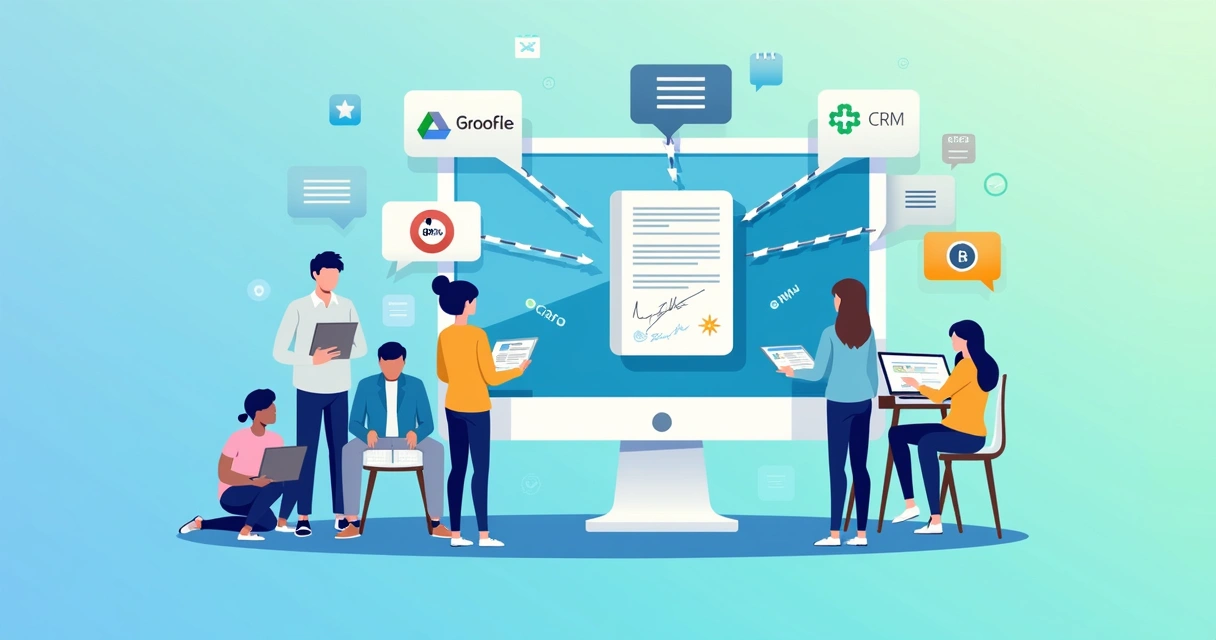
- Integration with popular tools like Google Drive, Slack, and major CRMs
- AI-powered contract analysis to flag risks or opportunities in agreements
CloudSign.ie stands out here again. While international competitors like PandaDoc and SignNow do offer integrations, CloudSign.ie’s commitment to Irish data privacy and local support reassures many businesses when compared side by side. And yes, integrations drastically reduce the effort needed to manage contracts and related data. For practical tips, there’s a simple guide to fast, secure document signing for remote teams on the CloudSign.ie blog.
Limitations and when electronic signatures may not apply
While I’m an advocate for digital contracts, I want to be honest. Not every document can be electronically signed. For example, Irish law and various regulators still require physical ink for:
- Wills and testamentary documents
- Family law proceedings
- Certain property transfers and land registry forms
For everything else, electronic signatures are accepted. Just make sure to use a trusted provider, one with proper audit trails and compliance features. That’s where CloudSign.ie edges out global platforms: it’s designed for Irish law and GDPR, with free plans perfect for testing before upgrading for more users or envelopes.
Bringing it all together: Why make the switch now?
AI adoption among Irish businesses is doubling, as reported by the Irish Times. Digital tools like electronic signatures are now essential for speed, compliance, and maintaining an edge in Ireland’s fast-shifting business climate.
For me, the decision is clear. Thinking back to my client who moved from a stress-filled paperwork trail to a secure digital workflow: everything got faster, easier, less costly and a lot more secure. If you need legal facts, robust audit trails, or peace of mind, CloudSign.ie sets the standard, especially for Irish businesses concerned about local laws and data.
If you’re ready to simplify contract signing, CloudSign.ie is the smartest move for Irish businesses right now. I invite you to try the free tier and see the difference for yourself, whether you’re a freelancer, SME owner, or managing global teams from Dublin. You have nothing to lose, and a lot of time and money to save. Start your digital signing journey with CloudSign.ie today.
Frequently asked questions
What are electronic signatures used for?
Electronic signatures are used to sign a wide range of agreements electronically, including sales contracts, NDAs, HR documents, supplier agreements, invoices, and permissions forms, among others. Almost any document where a handwritten signature would normally be used can be signed, provided it’s not one of the exempt document categories mentioned above.
How do e-signatures help Irish businesses?
Electronic signatures help Irish businesses by making contract processes quicker, reducing delays, and cutting costs. They also help improve the customer experience, ensure security and compliance, and allow for easy remote signing and team collaboration. This is especially helpful for SMEs, professionals, and dispersed teams across Ireland.
Are electronic signatures legally valid in Ireland?
Yes, electronic signatures are legally valid in Ireland under the Electronic Commerce Act 2000 and the EU eIDAS Regulation. As long as the integrity of the document and the signer’s intent can be demonstrated, courts and regulators recognize them as equivalent to traditional handwritten signatures for most business documents.
Is it safe to use e-signatures?
Electronic signature platforms like CloudSign.ie are built for security, using encryption, audit trails, and sometimes digital certificates to protect your agreements. Data is stored safely, access is controlled, and GDPR compliance is built in. Always choose a provider with strong Irish and EU credentials.
Do electronic signatures save money for companies?
Yes, using electronic signatures reduces spending on paper, ink, scanning, postage, manual filing, and administrative follow-up. Many businesses also see an indirect saving: deals close faster, errors drop, and staff can focus on more valuable work instead of chasing paperwork.