
Ever since I started working in digital compliance for businesses in Ireland, one challenge kept surfacing: how do companies really prove they've met industry rules without drowning in paperwork? At first, e-signatures felt a bit futuristic to me, almost like science fiction. But today, I find myself surrounded by them, and with projects like CloudSign.ie, I see clearly how smart digital tools shape compliance and risk management from the ground up.
So, what is it about e-signatures that makes them so trusted when regulations seem to get tougher every year? And how do they actually help when your industry’s standards (whether it's healthcare, finance, legal, or tech) are far from straightforward?
Why compliance is such a headache (and why it matters)
I often hear people complain that staying compliant is like “aiming at a moving target.” Regulations update, the GDPR comes knocking, and there are confidentiality requirements everywhere you look. In Ireland, after reading security incident statistics from the Central Statistics Office, which found 22% of small businesses and 62% of large ones faced data breaches or security incidents in a single year, I understand why so many are looking for new answers.
When everything was paper-based, the risks just multiplied: lost files, mixed-up versions, questionable audit trails. But digital transformation, driven by legal frameworks explained on guides like Irish electronic signature laws, introduces tools that can turn compliance from a stress factor into a competitive edge.
Way 1: Keeping robust digital audit trails
In every compliance check I’ve witnessed, one recurring demand stands out: “Show me the evidence.” Accountability is the cornerstone of trust in any regulated industry. Paper trails? They get lost, stained, misfiled. E-signatures bring a whole new level:
- Every e-signature creates a timestamp, unique signature ID, and can log IP addresses or even geolocation. This means there’s a non-editable chain of evidence for who signed, when, and even where. If an auditor asks for proof, it’s instantly accessible, no more panicking at the file cabinet.
- CloudSign.ie’s platform not only creates these trails, but uses artificial intelligence to detect tampering or suspicious signing patterns.
Trust comes from transparency. Digital audit trails tell the whole story, every time.
For those who want a deeper understanding of what makes an e-signature legally binding, I always recommend guides on agreement signature validity. They take the mystery out of the requirements.
Way 2: Meeting GDPR standards and privacy laws head-on
Since GDPR was enacted, I’ve had clients lose sleep over data protection. Keeping documents private is a huge weight. With e-signature platforms, especially those built for EU compliance like CloudSign.ie, you get:
- Encryption at rest and in transit, so no one can peek at your documents without permission. E-signature providers make sure that only the intended parties access the files, which is key under GDPR.
- Protocols for retention and erasure, giving you full control of your data lifecycle. If you need to delete or produce records, e-signature logs make it simple instead of stressful.
- Features to support data subject rights: easy export, inspection, or erasure if a signer requests it. This is what sets solutions like CloudSign.ie apart from competitors who sometimes treat privacy as an afterthought.
GDPR is all about respecting people's rights. With e-signatures, following the rules feels less like a burden, and more like ticking boxes automatically as you go.
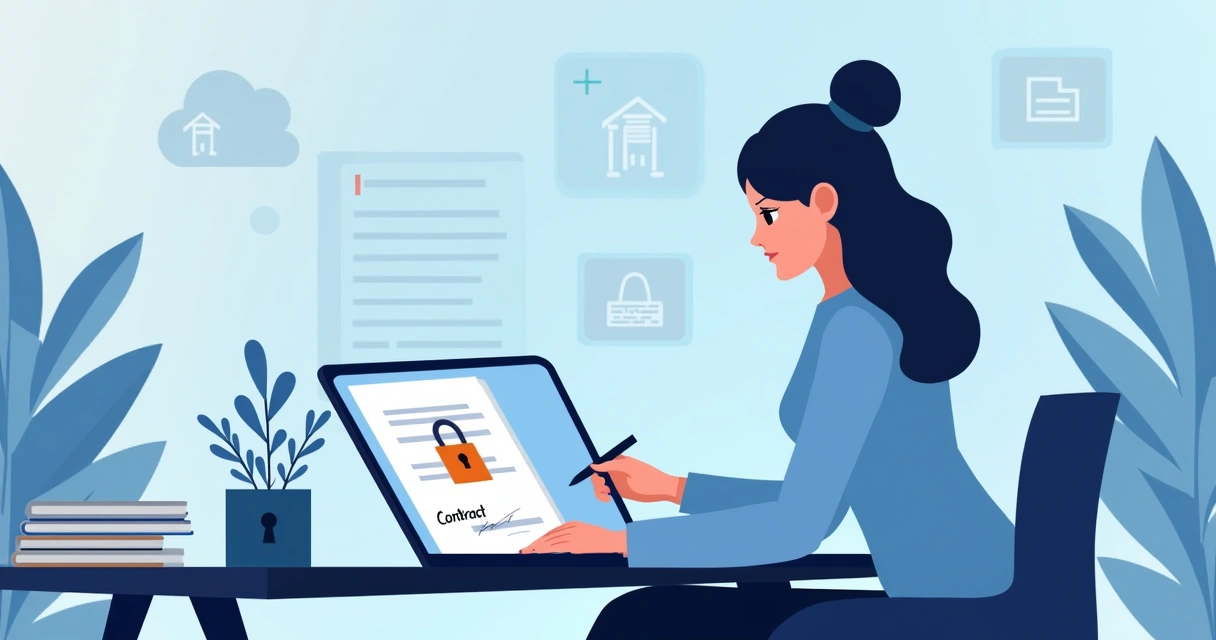
Way 3: Reducing human error and document tampering
I remember once fishing through a pile of contracts, staring at mismatched signatures and expired dates. Even the most careful teams make mistakes. E-signature platforms use automation to minimize these risks:
- Mandatory fields, signature order, and built-in authentication. There’s much less risk of missing a signature or initials.
- Digital validation makes document tampering much harder. If anyone alters a file after signing, the signature is instantly invalidated and flagged.
- AI-powered oversight, like what CloudSign.ie does, can spot inconsistencies, expired IDs, or red flags that a human might overlook.
Automation does more than save time; it prevents slip-ups that could get your business in trouble with regulators.
From financial firms to healthcare, industries with tight controls are turning to e-signatures not just for speed, but for peace of mind.
Way 4: Adapting to industry-specific standards and policies
I see often that what works for one industry rarely fits another. Financial firms have their own standards (think MiFID II, AML), while healthcare focuses on patient confidentiality and consent logs. That’s why flexibility in e-signature platforms really matters.
- Advanced customization: CloudSign.ie lets you create templates with the exact clauses, signature order, and disclosures your auditors require.
- Better integrations: Unlike some competitors, CloudSign.ie supports connectors for Google Drive, Slack, leading CRMs, and more. This automates compliance tasks across your existing systems.
- Role-based access: Sensitive documents can be locked at every step, so only the right eyes ever see them.
Other solutions, like those at Dropbox Sign or DocuSign, offer some flexibility, but usually at a higher cost or with fewer integration options on entry-level plans. I find the free tier at CloudSign.ie, 21 envelopes per month, is generous for individuals and freelancers who also need compliance, not just large businesses.
Way 5: Preparing for future audits and legal changes
Regulatory updates always seem to catch someone off guard. With the global population growing more digital (the International Telecommunication Union reports 51% now online), requirements for digital signature traceability keep evolving.
Switching to e-signatures means your audits are as future-proof as possible. Document logs, authentication data, and standardized reporting make it far easier to respond to audit requests, even years later.
By automating document expiration, renewal notifications, and regulatory archiving, CloudSign.ie doesn’t just meet today’s rules, but adapts to tomorrow’s without chaos or expensive migrations.

What’s next? Easier compliance starts with a single step
If you’ve ever spent hours sorting through signature sheets, emailing reminders, or panicking over audit deadlines, I truly believe CloudSign.ie is a gamechanger. E-signatures deliver what regulators want most: audit trails, security, and control, with none of the daily hassle. Curious how digital signing holds up against old-fashioned pen and paper? I’d recommend checking out this detailed breakdown of e-signature legal facts and how CloudSign.ie meets (and beats) compliance standards in Ireland and across the EU.
Staying one step ahead of regulation shouldn’t be a burden. If you’re ready to see the difference, give CloudSign.ie’s free plan a try, and discover how much more you can do when compliance is on autopilot.
Frequently asked questions
What is an e-signature?
An e-signature is a digital mark, such as a name, symbol, or process, placed on a document to show agreement or approval. It replaces the need for pen-and-paper signatures and includes details like timestamps and signer identity for added security.
How do e-signatures support compliance?
E-signatures help organizations follow laws and regulations by creating secure, traceable digital records for every signed document. They support data protection requirements, eliminate lost paperwork, and simplify audits, as discussed in guides on using passkeys for stronger digital signing.
Are e-signatures legally binding?
Yes, e-signatures are recognized as legally binding in Ireland and throughout the EU when they meet identity verification and consent standards. Comparison guides show how platforms like CloudSign.ie meet legal standards more transparently than most competitors.
Which industries use e-signatures most?
Industries like finance, legal, real estate, healthcare, and technology commonly use e-signatures to speed up processes and meet compliance requirements. Freelancers and small businesses also turn to services like CloudSign.ie to handle contracts quickly and securely.
How secure are e-signatures for documents?
E-signatures are highly secure when provided by trusted platforms. They include encryption, multi-factor authentication, and tamper detection. With CloudSign.ie, all documents have an audit trail and top-tier security, giving peace of mind in compliance-focused industries.